Category: digital marketing

  • Ethical Considerations in Digital Marketing: Balancing Privacy and Personalization

    In the era of digital marketing, businesses have access to an unprecedented amount of customer data. This abundance of information enables marketers to deliver personalized experiences that enhance customer satisfaction and drive conversions. However, the collection and use of this data raise ethical concerns surrounding the handling of personal information. 

    This article will explore the ethical considerations in digital marketing and examine the delicate balance between privacy and personalization. By understanding these considerations, businesses can navigate the digital landscape while respecting consumer privacy and maintaining trust.

    What is Ethical Marketing?

    Ethical marketing, also known as responsible marketing or sustainable marketing, refers to the practice of conducting marketing activities in a morally and socially responsible manner. It involves promoting products and services while adhering to moral standards, social responsibility, and integrity. Ethical marketing goes beyond legal compliance and seeks to establish trust, transparency, and fairness in the relationships between businesses and their customers, stakeholders, and society as a whole.

    Importance of Ethical Marketing

    Ethics play a crucial role in digital marketing, as they govern how businesses interact with their customers and handle sensitive data. By embracing ethical practices, companies can build trust and establish long-term relationships with their audience. 

    Ethical digital marketing involves transparency, consent fairness, and respect for individuals’ privacy. It ensures that marketing efforts are conducted with integrity, while also delivering personalized experiences that are genuinely beneficial to customers.

    Privacy Concerns in Digital Marketing

    With the rise of data-driven marketing strategies, privacy concerns have become more pronounced. Customers are increasingly aware of the personal information they share online and how it can be used by businesses. Ethical digital marketing requires obtaining informed consent from users before collecting their data, ensuring the secure storage and handling of that data, and using it solely for the purposes agreed upon. 

    Marketers must be transparent about their data collection practices and provide individuals with control over their information. Respecting privacy builds trust and fosters positive relationships with customers.

    Personalization and its Ethical Boundaries

    Personalization is a powerful tool in digital marketing, but it must be employed ethically. The challenge lies in striking the right balance between tailoring experiences to meet individual needs and respecting privacy boundaries. Ethical personalization involves responsibly using data, avoiding manipulation or coercion, and being transparent about the use of personal information. 

    Businesses should ensure that their personalization efforts provide value to the customer without crossing ethical boundaries or compromising privacy.

    Best Practices for Ethical Digital Marketing

    To navigate the ethical considerations in digital marketing, businesses can adopt several best practices:

    1. Transparency and Consent: Communicate data collection practices and obtain explicit consent from users before collecting their data.
    2. Data Security: Implement robust security measures to safeguard customer data against unauthorized access or breaches.
    3. Data Minimization: Collect only the necessary data required to deliver personalized experiences and avoid excessive data accumulation.
    4. Anonymization and Aggregation: Use anonymized and aggregated data whenever possible to protect individuals’ identities and privacy.
    5. Opt-Out Options: Provide individuals with easy-to-use opt-out mechanisms to respect their preferences and give them control over their data.
    6. Responsible Targeting: Avoid targeting vulnerable populations or exploiting personal information for unfair advantage.
    7. Regular Audits and Compliance: Conduct periodic audits to ensure compliance with data protection regulations and ethical standards.

    The Future of Ethical Digital Marketing

    As technology advances and privacy regulations evolve, the future of ethical digital marketing will witness further refinements. Stricter privacy laws, such as General Data Protection Regulation (GDPR) and the California Consumer Privacy Act (CCPA), indicate a growing emphasis on protecting individuals’ privacy rights. Businesses will need to adapt to these changing landscapes and prioritize ethical practices to maintain consumer trust and comply with regulations.

    Conclusion

    Balancing privacy and personalization is a critical challenge for digital marketers. By adopting ethical practices, businesses can ensure that they respect consumer privacy while delivering personalized experiences that meet customers’ needs. Transparency, informed consent, data security, and responsible targeting are among the key considerations for ethical digital marketing. 

    Striking the right balance between personalization and privacy will not only help companies build trust and loyalty but also contribute to the long-term sustainability of their marketing efforts in an increasingly privacy-conscious world. By navigating these ethical considerations, businesses can achieve a harmonious blend of privacy and personalization in their digital marketing strategies.

    Frequently Asked Questions (FAQs)

    1. How can I ensure my digital marketing practices are ethical?

    Ensure transparency, obtain consent for data collection, avoid deceptive tactics, respect user privacy, and adhere to industry guidelines and regulations.

    1. What is the role of data privacy in ethical digital marketing?

    Data privacy is crucial in ethical digital marketing to protect user information, gain trust, and comply with data protection laws like GDPR and CCPA.

    1. Are there guidelines or codes of ethics for digital marketers?

    Yes, organizations like the Interactive Advertising Bureau (IAB) and Digital Advertising Alliance (DAA) provide guidelines for ethical digital marketing.

    1. How can I avoid deceptive advertising in digital marketing?

    Be honest in your messaging, avoid exaggerations, and clearly disclose sponsored content or advertisements.

    1. Why is respecting user consent important in digital marketing ethics?

    Respecting user consent shows respect for their privacy and choices, and it helps maintain trust between your brand and your audience

    1. How can I stay updates on evolving ethical standards in digital marketing?

    Stay informed about industry news, follow regulatory updates, and participate in relevant forums and organizations to learn about best practices.

  • Personalization and Targeting: Customizing Digital Marketing for Better Results

    Effective marketing requires more than just broadcasting messages to a wide audience. To truly connect with customers and drive meaningful engagement, businesses must embrace personalization and targeting strategies. By customizing digital marketing efforts to cater to individual preferences and needs, companies can deliver relevant content, enhance customer experiences, and ultimately achieve better results.

    The Power of Personalization:

    Personalization in digital marketing refers to tailoring content, products, and experiences to individual users based on their specific characteristics, behaviors, and preferences. It involves leveraging data and insights to create highly relevant and target messaging that resonates with consumers on a personal level.

    One of the key advantages of personalization is its ability to capture attention. In a crowded digital space, where consumers are bombarded with countless ads and messages, personalization can make a brand stand out. When individuals receive content that speaks directly to their interests and needs, they are more likely to engage with it, leading to higher click-through rates, conversion rates, and ultimately, greater ROI.

    Moreover, personalization creates a sense of connection and trust. By demonstrating an understanding of their customer’s wants and needs, brands can foster stronger relationships. When individuals perceive that a brand is genuinely interested in their preferences and provides tailored solutions, they are more likely to become loyal advocates, leading to repeat purchases, positive reviews, and referrals.

    Leveraging Data for Targeting:

    To implement effective personalization strategies, businesses need to harness the power of data. By collecting and analyzing relevant customer information, companies can gain valuable insights that allow them to target their marketing efforts more precisely.

    First and foremost, businesses must collect and organize customer data. This includes demographic information, purchase history, browsing behavior, social media engagement, and other relevant metrics. Advanced analytics tools and customer relationship management (CRM) systems can help aggregate and make sense of this data, providing a comprehensive view of each customer.

    Once the data is collected, segmentation becomes crucial. Segmentation involves dividing customers into distinct groups based on common characteristics or behaviors. By creating segments, marketers can tailor their messages to each group’s specific needs and preferences, increasing the likelihood of resonating with the target audience.

    Segmentation can be based on various factors such as age, gender, location, purchase behavior, or even psychographic variables like interests and values. By using segmentation, businesses can develop targeted marketing campaigns that deliver the right message to the right audience, resulting in higher conversion rates and engagement.

    Crafting Personalized Content:

    With data-driven insights and targeted segments in hand, businesses can craft personalized content that speaks directly to their audience. This content customization can take various forms, depending on the marketing channels, used and the preferences of the targeted audience.

    Email marketing, for instance, offers a prime opportunity for personalization. By addressing recipients by their names, recommending products based on past purchases, or sending personalized offers tailored to their preferences, businesses can significantly increase open rates and conversions.

    Website personalization is another effective strategy. By leveraging user data, businesses can create dynamic website experiences that adapt to each visitor. This can include personalized product recommendations, customized landing pages, or even targeted pop-ups that align with the user’s interests.

    Social media platforms also provide extensive personalization options. With the ability to create targeted ads based on user demographics, interests, and behavior, businesses can ensure their content reaches the right people at the right time. Moreover, engaging with customers through personalized responses and tailored social media campaigns can foster a sense of community and deepen brand loyalty.

    The Role of AI in Personalization:

    As the volume of data continues to grow exponentially, businesses can leverage artificial intelligence (AI) technologies to analyze and interpret this vast amount of information more effectively. AI-powered algorithms can detect patterns, predict customer behavior, and automate personalization efforts at scale.

    AI can help identify correlations between customer attributes and behaviors, enabling businesses to refine their segmentation strategies. It can also analyze individual preferences and behaviors in real-time, allowing marketers to deliver personalized recommendations and offers at the moment, creating a seamless customer experience.

    Furthermore, AI chatbots and virtual assistants can provide personalized customer support and enhance the overall user experience. By analyzing past interactions and understanding context, AI-powered chatbots can provide tailored responses and recommendations, improving customer satisfaction and engagement.

    Ethical Considerations and Privacy:

    While personalization and targeting offer significant benefits, businesses must prioritize ethical considerations and respect consumer privacy. Transparency and consent are essential when collecting and using customer data. Companies should communicate their data collection practices and allow individuals to opt out or customize their preferences.

    It is crucial to handle and store customer data securely to protect individuals’ privacy and prevent data breaches. Implementing robust security measures, complying with data protection regulations, and regularly auditing data handling practices are essential steps to maintain trust.

    Furthermore, personalization efforts should always focus on adding value and enhancing the customer experience rather than manipulating or deceiving consumers. Brands should prioritize building genuine relationships based on trust and delivering personalized content that aligns with customers’ best interests.

    Conclusion:

    Personalization and targeting have become integral components of effective digital marketing strategies. By harnessing the power of data, businesses can craft personalized content that resonates with individual customers, leading to higher engagement, increased conversions, and stronger brand loyalty.

    However, it is crucial to balance personalization with ethical considerations and respect for consumer privacy. Transparency, consent, and data security should be paramount in all personalization efforts to build trust and maintain long-term relationships. 

    As technology continues to advance, and data becomes more abundant, the potential for personalization and targeting will only increase. By leveraging AI and emerging technologies, businesses can further refine their personalization efforts and create even more meaningful and impactful customer experiences. Personalization and targeting are key to staying ahead of the competition and driving better results in the world of digital marketing

  • The Importance of Customer Segmentation in Digital Marketing

    Nowadays, businesses strive to reach their target audiences effectively and efficiently. The key to success lies in understanding customers’ needs, preferences, and behaviors to tailor marketing strategies accordingly. One powerful tool that aids businesses in achieving this goal is customer segmentation.

    By dividing the diverse customer base into smaller, distinct groups, digital marketers can deliver personalized experiences, targeted messages, and relevant offers, thereby maximizing the impact of their marketing efforts. 

    What is Customer Segmentation?

    Customer Segmentation is the process of categorizing a diverse customer base into smaller, distinct groups based on shared characteristics such as demographics, behavior, or preferences. 

    This allows businesses to understand their customer’s unique needs and tailor marketing strategies to deliver personalized experiences, targeted messages, and relevant offers, resulting in increased customer satisfaction, improved retention, and higher marketing effectiveness.

    These segments can be defined in various ways, depending on the nature of the business and the goals of the marketing campaign.

    Importance of Customer Segmentation in Digital Marketing:

    1. Enhanced Personalization:

    In the digital age, customers expect personalized experiences and targeted marketing messages. Customer segmentation allows businesses to understand the unique preferences and pain points of different customer groups, enabling them to craft tailor-made campaigns that resonate with each segment. 

    By delivering relevant content and offers, businesses can increase engagement, conversion rates, and customer loyalty.

    2. Efficient Resource Allocation:

    Digital marketing involves multiple channels, and each has its own set of costs and requirements. By segmenting customers, businesses can allocate their resources more efficiently. 

    For instance, they can identify which segments are most active on social media and focus their efforts on those platforms. This way, marketing budgets are used wisely, resulting in a higher return on investments (ROI).

    3. Improved Customer Retention:

    Acquiring new customers is essential for business growth, but retaining existing ones is equally important. Customers segmentation helps identify loyal and high-value customers. 

    By understanding their specific needs and preferences, businesses can create loyalty programs, personalized offers, and excellent customer service. This approach fosters a stronger bond with customers and increases the likelihood of repeat purchases.

    4. Targeted Marketing Campaigns:

    One-size-fits-all marketing campaigns are no longer effective. Customer segmentation enables businesses to target their marketing efforts more precisely. By tailoring messages to address the unique concerns of each segment, businesses can increase the relevance of their campaigns, which in turn leads to higher conversion rates.

    5. New Market Opportunities:

    Customer segmentation not only helps identify the most valuable customer groups but also uncovers untapped market opportunities. 

    By analyzing the characteristics of each segment, businesses can discover new market niches and tailor their products or services to meet the needs of these segments. This proactive approach can lead to competitive advantage and increased market share.

    6. Data-Driven Decision Making:

    In the digital world, data is a valuable asset. Customer segmentation relies heavily on data analysis to identify patterns and trends within customer behavior. By leveraging this data, businesses can make informed decisions about marketing strategies, product development, and overall business direction.

    7. Increased Customer Satisfaction:

    Understanding the unique needs of different customer segments allows businesses to provide better customer service. When customers feel understood and catered to, their satisfaction levels increase, leading to positive reviews, word-of-mouth referrals, and overall brand advocacy.

    8. Adaptability to Market Changes:

    Market dynamics can change rapidly, especially in the digital realm. Customer segmentation equips businesses with the flexibility to adapt to these changes swiftly. By understanding how different segments respond to market shifts, businesses can adjust their strategies accordingly, staying ahead of the competition.

    Conclusion:

    In the digital age, customer segmentation is not just an option; it’s a necessity for businesses aiming to thrive in the competitive landscape. By understanding their diverse customer base and catering to individual preferences, businesses can create more personalized and engaging marketing campaigns. 

    The benefits are clear: improved customer satisfaction, improved customer retention, better resource allocation, and a higher ROI. Customer segmentation allows businesses to unlock new market opportunities, adapt to changing market dynamics, and ultimately achieve long-term success in their digital marketing endeavors. 

    As data analytics and technology continue to advance, customers segmentation will only grow in importance, empowering businesses to connect with their customers on a deeper level and drive sustainable growth in the digital age.

    Frequently Asked Questions (FAQs)

    1. What is customer segmentation in digital marketing?

    Customer segmentation in digital marketing is the process of dividing a target audience into smaller, more specific groups based on shared characteristics such as demographics, behavior, interests, or buying habits.

    1. How does customer segmentation improve marketing ROI?

    By targeting the right audience with personalized content and offers, marketers can increase conversion rates and reduce wasted advertising spend, ultimately improving return on investment (ROI).

    1. What are the main types of customer segmentation?

    Common types of customer segmentation include demographic (age, gender, income), psychographic (purchase history, online activity), and geographic (location) segmentation.

    1. How ca businesses collect data for customer segmentation?

    Data can be collected through various methods, including online surveys, website analytics, social media insights, and customer relationship management (CRM) systems. Third-party data sources can also be used.

    1. Can customer segmentation be used in email marketing?

    Yes, email marketing is an excellent channel for using customer segmentation. Marketers can send targeted emails to different segments, ensuring that recipients receive content and offers that are relevant to their interests and needs.

    1. Is customer segmentation only for large businesses?

    No, businesses of all sizes can benefit from customer segmentation. It helps small businesses optimize their marketing resources and compete effectively by reaching the right audience with limited resources.

  • The Importance of User Experience (UX) in Digital Marketing

    In the digital era, where competition is fierce and attention spans are short, user experience (UX) has emerged as a critical factor for the success of any digital marketing campaign. UX refers to the overall experience a user has while interacting with a website, mobile app, or any digital platform. It encompasses ease of navigation, visual appeal, content relevance, loading speed, and overall satisfaction. 

    User experience directly impacts how users perceive a brand, make purchasing decisions, and whether they choose to return for future interactions. In this blog, we will explore the importance of user experience in digital marketing and how businesses can optimize UX to enhance customer engagement, conversion rates, and overall business success.

    1. Enhances Brand Perception and Trust:

    User experience plays a significant role in shaping how users perceive a brand. A well-designed and user-friendly website or app instills confidence in the user, suggesting that the brand is reliable, professional, and customer-centric. On the other hand, a poor user experience can lead to frustration and a negative perception of the brand. When users have a positive experience, they are more likely to trust the brand, recommend it to others, and become loyal customers.

    2. Improves Customer Engagement:

    Digital marketing efforts are designed to attract and engage the target audience. However, engaging users requires more than just compelling content and eye-catching visuals. A seamless and intuitive user experience captivates users, encouraging them to explore more content, interact with the brand, and ultimately convert. 

    Whether it’s through interactive elements, personalized recommendations, or easy navigation, an optimized user experience keeps users engaged and interested in what the brand has to offer.

    3. Reduces Bounce Rates and Increases Conversion Rates:

    When users visit a website or app and find it difficult to navigate, slow to load, or irrelevant to their needs, they are more likely to leave immediately, resulting in a high bounce rate. A high bounce rate can be detrimental to a digital marketing campaign as it indicates that users are not finding what they need or are dissatisfied with the experience. 

    On the other hand, a positive user experience reduces bounce rates and increases the likelihood of converting visitors into leads or customers. By streamlining the conversion process and removing barriers, businesses can boost their conversion rates significantly.

    4. Enhances Search Engine Rankings:

    Search engines, like Google, consider user experience as one of the ranking factors for websites. A website with a good user experience is likely to have a lower bounce rate and higher dwell time, indicating to search engines that it provides valuable and relevant content to users. 

    As a result, search engines are more likely to rank websites with better user experiences higher in search results, driving more organic traffic to the site. This creates a positive cycle where improved search rankings lead to increased visibility and more potential customers.

    5. Fosters Customer Loyalty and Advocacy:

    User experience extends beyond the first interaction; it encompasses the entire customer journey. Providing a consistent and delightful experiences throughout the customer journey fosters loyalty and encourages repeat business. 

    Satisfied customers are more likely to become brand advocates, spreading positive word-of-mouth recommendations and sharing their experiences on social media platforms. Word-of-mouth marketing can significantly impact a brand’s reputation and lead to organic growth.

    6. Mobile-Friendly UX for On-The-Go Users:

    With the increasing use of mobile devices, having a mobile-friendly user experience is no longer an option; it’s a necessity. Mobile users expect a seamless and optimized experience, tailored to their device’s screen size and capabilities. 

    A responsive design ensures that users can access information and navigate easily, regardless of the devices they use. A positive mobile user experience can help businesses tap into a vast audience for their overall digital marketing efforts.

    7. Data-Driven Improvements:

    User experience can be continuously refined and improved through data analysis. Gathering user feedback, conducting usability testing, and analyzing user behavior provides valuable insights into what works well and what needs improvements enabling businesses to make informed decisions and allocate resources to enhance the aspects of their digital marketing campaigns that directly impact user satisfaction and engagement.

    8. Reduces Customer Support Queries:

    A well-designed user experience minimizes the need for extensive customer support by providing users with the information they need upfront and guiding them through the platform seamlessly. Clear and intuitive navigation, easily accessible FAQs, and helpful tooltips can reduce the number of support queries and free up resources for other business activities.

    Conclusion:

    User Experience (UX) is a foundational element of successful digital marketing strategies. By prioritizing UX, businesses can create a positive brand perception, enhance customer engagement, and increase conversion rates. 

    A seamless and enjoyable user experience fosters customer loyalty, advocacy, and positive word-of-mouth, which can be invaluable for brand growth. Additionally, a mobile-friendly and data-driven approach to UX ensures that businesses stay relevant in the digital landscape. 

    As digital marketing continues to shape the business landscape, focusing on user experience will remain key differentiator for businesses striving to stand out and thrive in the digital realm.

  • 10 Essential Digital Marketing Strategies for Small Businesses

    Digital marketing has emerged as a game-changer for businesses of all sizes. For small businesses. It presents a unique opportunity to level the playing field, connect with its target audience, and achieve growth like never before. However, with the vast array of digital marketing strategies available, it can be overwhelming for small business owners to determine which ones are the most essential for their success. 

    In this blog we will explore ten essential digital marketing strategies tailored specifically for small businesses, providing actionable insights that can help drive their growth and success.

    1. Build a Robust Website:

    A well-designed and user-friendly website is the cornerstone of any successful digital marketing strategy. Your website serves as your virtual storefront and the first point of contact with potential customers. Ensure that your website is mobile-responsive, easy to navigate, and visually appealing. Include essential information about your products or services. Contact details, and compelling calls-to-action (CTAs) that prompt visitors to take the desired action.

    2. Invest in Search Engine Optimization (SEO):

    SEO is the process of optimizing your website and content to rank higher on search engine results pages (SERPs). For small businesses with limited marketing budgets, SEO offers a cost-effective way to improve visibility and attract organic traffic. Conduct keyword research to understand what terms your target audience is searching for, and incorporate those keywords naturally into your website’s content. Focus on local SEO to target potential customers in your area.

    3. Content Marketing Excellence:

    Creating valuable and engaging content should be at the heart of your digital marketing strategy. Content marketing not only helps in improving SEO but also establishes your business as an industry authority and builds trust with your audience. Utilize blogs, infographics, videos, and e-books to share valuable insights, tips, and educational material related to your niche. Regularly update your content to keep it fresh and relevant.

    4. Embrace Social Media:

    Social media platforms have become powerful tools for small businesses to connect with their audience on a more personal level. Identify the platforms where your target audience is most active and create a strong presence there. Use social media to share your content, engage with followers, run contests, and address customer inquiries. Building a loyal community on social media can lead to increased brand loyalty and advocacy. 

    5. Email Marketing for Customer Retention:

    Email marketing remains one of the most effective ways to nurture leads and retain existing customers. Offer valuable incentives, such as discounts or exclusive content, to encourage visitors to subscribe to your email list. Segment your email campaigns based on customer preferences and behaviors for more targeted messaging. Keep your emails personalized, engaging, and relevant to maintain interest and drive conversions.

    6. Pay-Per-Click (PPC) Advertising:

    PPC advertising allows you to display targeted ads on search engines and social media platforms. It is a cost-effective way to reach your audience quickly and generate immediate results. With PPC, you only pay when someone clicks on your ad, making it a budget-friendly option for small businesses. Conduct thorough keyword research and A/B test your ad creatives to optimize your campaigns for the best results.

    7. Leverage Influencer Marketing:

    Influencer marketing has gained immense popularity in recent years and for a good reason. Partnering with influencers who align with your brand can help you reach a wider audience and build trust through the influencer’s credibility. Identify relevant influencers in your niche and collaborate with them to create authentic content that promotes your products or services.

    8. Utilize Video Marketing:

    Video marketing has become a dominant force in the digital marketing landscape. Creating engaging videos that showcase your products, share valuable insights, or tell your brand’s story can significantly impact your audience’s perception. Leverage video platforms like YouTube, Instagram Reels, and TikTok to share your content and connect with your audience on a more personal level.

    9. Implement Retargeting Campaigns:

    Retargeting or remarketing campaigns allow you to reach users who have previously visited your website but did not convert into customers. By displaying targeted ads to these potential customers as they browse other websites or social media platforms, you can remind them to return and complete their purchase.

    10. Monitor and Analyze Performance:

    Digital marketing is an iterative process, and monitoring your campaigns’ performance is essential for continuous improvement. Use web analytics tools like Google Analytics to track website traffic, user behavior, and conversions. Analyze the data to identify what strategies are working and what areas need improvement. Regularly review your marketing efforts and adapt your approach based on the insights gained.

    Conclusion:

    For small businesses, digital marketing is a powerful tool that can help drive growth, expand their customer base, and compete with larger competitors. By implementing these ten essential digital marketing strategies, small business owners can establish a strong online presence, connect with their target audience, and achieve sustainable success in today’s digital age. 

    Remember that consistency, creativity, and customer-centricity are key to unlocking the full potential of digital marketing for your small business. Stay proactive, keep learning, and adapt to stay ahead of the competition.

  • What are the emerging digital marketing channels in 2025?

    The digital marketing landscape is constantly evolving, driven by advancements in technology, changing behavior, and shifts in the business landscape. As we venture into 2025, marketers must stay abreast of the latest trends and emerging digital marketing channels to stay relevant and competitive in the fast-paced digital era. 

    This blog provides a comprehensive overview of the emerging digital marketing channels that are expected to shape the industry in 2025, offering businesses new avenues to engage with their target audiences and drive growth.

    1. AUGMENTED REALITY (AR) MARKETING:

    Augmented Reality (AR) has been steadily gaining momentum as an immersive technology that blends the virtual and physical worlds. In 2025, AR is expected to become an integral part of digital marketing strategies, allowing brands to offer unique and interactive experiences to their customers. AR marketing enables customers to visualize products in real-world environments, try on virtual apparel, and experience products in ways that were not possible before.

    Retailers can leverage AR to create virtual showrooms, allowing customers to virtually browse and try on products from the comfort of their homes. AR-powered advertising can also drive engagement, with interactive AR ads capturing the attention of consumers and enhancing brand experiences. As AR technology becomes more accessible and widespread, businesses that incorporate AR marketing into their strategies can stand out and create memorable brand interactions.

    2. VOICE SEARCH OPTIMIZATION:

    The adoption of voice-enabled devices and smart speakers is growing rapidly, and voice search has become an essential part of how people access information online. In 2025, voice search optimization will be a critical aspect of digital marketing strategies, as businesses strive to cater to the rising number of voice search queries.

    To optimize for voice searches, marketers should focus on conversational keyword research, as voice searched are often more conversational. Content should be structured to answer common questions concisely, and featured snippets can be leveraged to gain visibility in voice search results. Embracing voice search optimization will not only improve a brand’s visibility but also enhance the overall user experience and customer satisfaction.

    3. PODCAST ADVERTISING:

    Podcasts have become a popular form of content consumption, and their influence on consumer behavior is growing. In 2025, podcast advertising is set to be an emerging digital marketing channel that allows brands to reach highly engaged audiences.

    By sponsoring o advertising on relevant podcasts, businesses can tap into niche communities and target specific demographics. Podcast ads, in the form of host-read endorsements or pre-roll ads, can feel more authentic and less intrusive than traditional advertising. Brands that invest in podcast advertising can effectively connect with audiences, build brand awareness, and drive relevant traffic to their websites or products.

    4. LIVE STREAMING AND INTERACTIVE VIDEO:

    Live streaming and interactive video are expected to gain prominence as digital marketing channels in 2025. Live streaming enables brands to engage with their audiences in real time, fostering a sense of authenticity and transparency. Businesses can use live streaming to launch products, conduct Q&A sessions, host virtual events, and showcase behind-the-scenes content.

    Additionally, interactive videos are becoming more prevalent, allowing viewers to engage with the content by making choices that impact the narrative. Interactive videos can be used for storytelling, product demonstrations, and personalized user experiences. Leveraging live streaming and interactive videos can enhance customer engagement and create memorable brand interactions.

    5. SOCIAL COMMERCE:

    Social commerce, the integration of e-commerce with social media platforms, is set to become a significant digital marketing channel in 2025. Social media platforms are increasingly becoming virtual marketplaces, offering seamless shopping experiences to users without leaving the app.

    Brands can leverage social commerce by setting up shoppable posts, utilizing in-app checkout features, and partnering with influencers to drive product recommendations and purchases. Social commerce allows businesses to meet customers where they already spend their time and provide a frictionless shopping experience.

    6. ARTIFICIAL INTELLIGENCE (AI) FOR PERSONALIZATION:

    Artificial Intelligence (AI) is revolutionizing various aspects of digital marketing, with personalized marketing experiences being a key area of focus in 2025. AI-powered algorithms can analyze vast amounts of customer data, preferences, and behaviors to deliver highly personalized content and product recommendations.

    Chatbots powered by AI are also becoming more sophisticated, providing real-time customer support and driving customer engagement. As AI continues to advance, businesses can harness its capabilities to deliver tailored marketing messages that resonate with individual customers, enhancing customer loyalty and conversion rates.

    7. NATIVE ADVERTISING AND BRANDED CONTENT:

    Native advertisement and branded content are emerging digital marketing channels that blend seamlessly with the user experience, avoiding the disruptions associated with traditional advertising. In 2025, native advertising will continue to gain traction as it appears native to the platform where it is placed, providing valuable and relevant content to the target audience.

    Branded content, such as sponsored articles, videos, and social media posts, allows brands to collaborate with publishers and influencers to reach new audiences organically. By aligning with the interests of the platform’s users, native advertising and branded content can foster positive brand associations and drive engagement. 

    8. VIRTUAL EVENTS AND EXPERIENCES:

    Virtual events and experiences have become increasingly prevalent, especially due to the impact of the COVID-19 pandemic. In 2025, these experiences are likely to continue, presenting businesses with new opportunities for digital marketing.

    Hosting virtual events, such as webinars, conferences, and workshops, allows brands to reach a global audience and showcase their expertise. Virtual reality (VR) experiences can be utilized to provide immersive brand interactions, giving customers a unique and memorable brand experience.

    CONCLUSION:

    As we venture into 2025, emerging digital marketing channels are poised to reshape the marketing landscape, offering businesses innovative ways to engage with their target audiences and drive growth. 

    Augmented Reality (AR) marketing, voice search optimization, podcast advertising, live streaming, interactive video, social commerce, AI for personalization, native advertising, and virtual events are among the key channel that will gain prominence in the coming year.

    To remain competitive and relevant, businesses must adapt their digital marketing strategies to leverage these emerging channels effectively. Embracing these technologies and trends can enable brands to connect with consumers on a deeper level, deliver personalized experiences, and create lasting relationships with their target audiences in the ever-evolving digital landscape of 2025.

  • GDPR and Beyond: Navigating Data Protection Laws in Digital Marketing

    In the digital age, where data is often considered the new gold, the need to protect individuals’ privacy and personal information has become paramount. The General Data Protection Regulation (GDPR), enacted in May 2018, marked a significant milestone in data protection laws. However, as technology continues to evolve, so do the challenges and opportunities surrounding data protection in the realm of digital marketing.

    This article delves into the implications of GDPR and explores how businesses can navigate data protection laws in the world of digital marketing.

    The Essence of GDPR

    The General Data Protection Regulation was introduced by the European Union (EU) to give individuals greater control over their personal data and to establish a consistent framework for data protection across the member states.

    GDPR affects any organization that processes the personal data of EU citizens, regardless of where the organization is based. This marked a shift from the previously fragmented data protection landscape, setting a new standard for transparency, consent, and accountability. 

    Consent and Transparency

    One of the fundamental principles of GDPR is obtaining explicit and informed consent from individuals before collecting their data. In the context of digital marketing, this means providing clear and concise information about the data being collected and its intended use.

    Businesses must ensure that their privacy policies are easily accessible and understandable, enabling decisions about their data.

    Beyond GDPR: Evolving Data Protection Landscape

    While GDPR was a watershed moment, data protection laws continue to evolve. Other regions, inspired by GDPR’s success, have introduced their own regulations. The California Consumer Privacy Act (CCPA) and Brazil’s General Data Protection Law (LGPD) are notable examples. As a result, businesses engaged in global digital marketing must now navigate a complex web of regulations.

    Navigating the Challenges

    1. Cross-Border Data Flows: 

    As digital marketing transcends borders, companies need to manage data flows compliantly. International data transfers must be undertaken with safeguards, such as standard contractual clauses or binding corporate rules, to ensure that data protection remains intact.

    2. Vendor Management: 

    Digital marketing often involves third-party vendors and tools that process user data. Businesses must ensure that these vendors are also GDPR-compliant and adhere to the same data protection standards.

    3. User Rights: 

    GDPR grants users rights over their data, including the right to access, rectify, and erase their personal information. Businesses must have mechanisms in place to address user requests promptly and effectively.

    4. Data Breach Notification: 

    GDPR mandates prompt data breach notification to authorities and affected individuals. Digital marketers must have robust processes to detect and respond to breaches effectively. If a data breach occurs, digital marketers are obligated to report it to the relevant supervisory authority within 72 hours.

    If the breach is likely to result in high risks to users’ rights and freedoms, businesses must also notify affected users. This impacts how businesses should manage and secure user data. 

    5. Fines and Penalties: 

    Non-compliance with GDPR can result in substantial fines, which are determined based on the severity of the violation. For serious breaches, fines can be up to €20 million or 4% of the company’s global annual turnover, whichever is higher. This has forced businesses to take data protection seriously.

    Strategies for Compliant Digital Marketing

    1. Data Minimization: 

    Adopt the principle of data minimization. Only collect and retain the data that is necessary for your marketing activities. This not only reduces the risk of data breaches but also enhances users’ trust.

    2. Granular Consent: 

    Implement granular consent mechanisms that allow users to provide specific permissions for different types of data processing. This empowers users to have more control over their data.

    3. Privacy by Design: 

    Integrate data protection into every stage of your digital marketing strategies. Privacy considerations should be part of the design, development, and deployment of marketing campaigns.

    4. Regular Audits and Assessments: 

    Conduct regular data protection impact assessments and audits to ensure ongoing compliance. As regulations evolve, your strategies should evolve as well.

    5. Education and Training: 

    Equip your marketing team with a deep understanding of data protection laws. Ensure they are aware of best practices and can identify potential pitfalls.

    Conclusion

    GDPR has ushered in a new era of data protection in digital marketing. It has required businesses to prioritize user privacy, transparency, and accountability in their marketing practices. Adapting to these regulations has led to changes in how data is collected, processed, and used for marketing purposes, ultimately leading to more informed and empowered users in digital marketing. 

    GDPR and the subsequent evolution of data protection laws have reshaped the landscape of digital marketing. They have emphasized the importance of user privacy, transparency, and accountability. Navigating these laws requires businesses to prioritize data protection, adopt privacy-centric strategies, and embrace a culture of compliance.

    As the digital marketing ecosystem continues to grow, staying informed about the latest regulations and adapting strategies accordingly will be crucial to building trust with customers and thriving in a data-conscious world.

    Frequently Asked Questions (FAQs)

    1. What are the key principles of GDPR in digital marketing?

    The key principles include obtaining clear and explicit consent for data collection, providing transparency, giving individuals control over their data, and ensuring data security.

    1. How should I handle data breaches in digital marketing under GDPR?

    You must report data breaches to the relevant authorities within 72 hours of becoming aware of the breach. You also need to notify affected individuals if the breach poses a high risk to their rights and freedoms.

    1. What steps can I take to ensure data protection in digital marketing beyond GDPR?

    Implement data protection impact assessments (DPIAs), regularly update your privacy policies, train your staff on data protection, and stay informed about growing data protection laws.

    1. Are there other data protection laws beyond GDPR to consider in digital marketing?

    Yes, other data protection laws like the California Consumer Privacy Act (CCPA) in the US and similar regulations in various countries or states may apply, depending on your target audience.

    1. How can I stay compliant with advanced data protection laws in digital marketing?

    Continuously monitor legal developments, adapt your practices accordingly, and seek legal counsel to ensure compliance with the latest regulations.

  • Why Website Development and Digital Marketing Services Are Best for USA and European Companies

    [vc_row][vc_column][vc_column_text]Your Business Deserves a Global Edge. That’s exactly why more USA and European companies are turning to India for their website development and digital marketing services. Surprised? Don’t be. There’s a reason this approach is catching fire—and we’re breaking it all down for you.

    Why India? The New Powerhouse for Digital Growth

    India has become a global tech and creative hub. From world-class developers to Google-certified marketers, Indian professionals are helping brands around the world go digital in a smarter and more cost-effective way.

    Here’s why partnering with a Website Development Company in India or a Digital Marketing Agency in India makes so much sense:

    • 💰 Cost-Effective Without Compromising on Quality
    • 💡 Creative and Tech-Savvy Talent Pool
    • 🌐 Experience with Global Markets and Trends
    • ⏱️ Time Zone Advantage = Faster Delivery
    • 🧰 Full-Stack Services Under One Roof

    Website Development: Your First Digital Handshake

    Website Development

    Your website is often the first impression your customer gets of your business. And we all know—first impressions matter.

    The Best Website Development Company in India understands this and builds sites that:

    • Load fast and work seamlessly on all devices
    • Are optimized for SEO and user experience
    • Reflect your brand’s voice and values
    • Integrate analytics, forms, e-commerce, and more

    📌 Example:
    A Florida-based real estate firm outsourced its entire Website Development Work to India. Within weeks, they had a mobile-friendly, lead-generating site that ranked higher on Google and attracted new clients daily.

    Digital Marketing: Making Your Website Work for You

    Digital MarketingSo you’ve built a great site. Now what? You need people to find it—and that’s where digital marketing comes in.
    A seasoned Digital Marketing Company in India will help you:

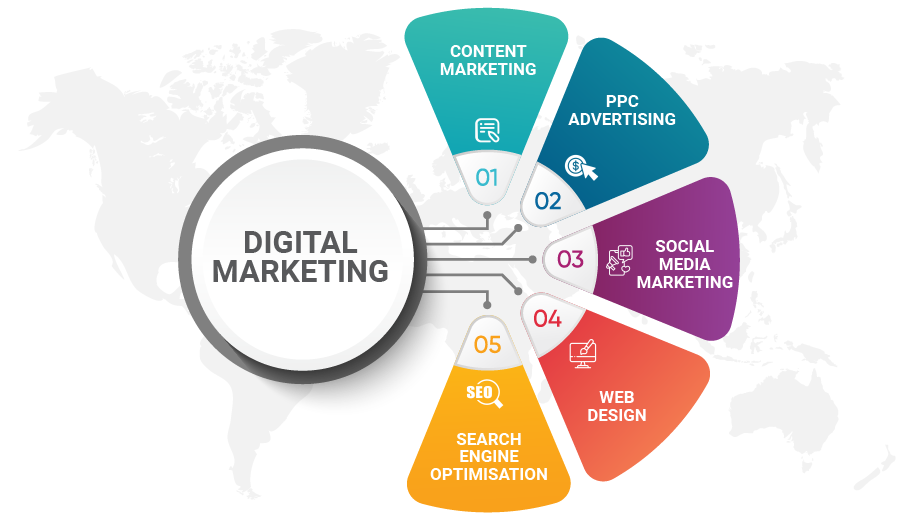
    • Reach your target audience through Google Ads & SEO
    • Build trust via content marketing and social media
    • Convert clicks into leads with smart remarketing strategies
    • Track everything with analytics and performance reports

    It’s like hiring a full-blown marketing team—at a fraction of the cost.

    📌 Real-Life Win:
    A boutique clothing store in Amsterdam partnered with a Digital Marketing Agency in India to manage its Instagram and Google campaigns. In 6 months, they saw a 300% rise in traffic and a 4x return on ad spend.

    Round-the-Clock Productivity: The Time Zone Perk

    Ever dreamt of work getting done while you sleep? With Indian teams, that dream becomes real.

    Due to the time difference, your Indian development or marketing team can work while you rest, allowing faster project turnarounds, quicker updates, and a near 24-hour workflow. It’s a silent advantage that many businesses now leverage.

    Communication? Easier Than Ever

    Some business owners worry: “How will I communicate with an overseas team?”

    Truth is, communication with a Website Development Company in India or Digital Marketing Agency in India is now easier than ever, thanks to tools like:

    • Slack, Zoom, and Microsoft Teams
    • Trello and Asana for task management
    • Google Docs for real-time collaboration
    • Email and WhatsApp for quick updates

    Plus, most Indian professionals are fluent in English and well-versed in working with global clients.

    It’s Not Just Outsourcing—It’s a Smart Partnership

    Gone are the days when outsourcing meant cheap, basic work. Today, collaborating with a Website Development Company in India or a Digital Marketing Company in India is about adding value and growing smarter.

    You’re not cutting corners—you’re scaling smartly.

    Key Benefits Recap

    Cost-effective solutions
    Experienced teams with global exposure
    End-to-end services: Design, Development, SEO, Ads, Content
    Faster project delivery with time zone advantage
    Scalable and adaptable for any business size

    Conclusion: Ready to Take Your Brand Global?

    Whether you’re a startup in California or a manufacturing firm in Germany, a digital-first approach is no longer optional. It’s essential.

    And when you choose a trusted Digital Marketing Company in India or partner with the Best Website Development Company in India, you’re not just outsourcing—you’re future-proofing your business.

    Frequently Asked Questions (FAQs)

    [/vc_column_text][/vc_column][/vc_row][vc_row][vc_column][vc_toggle title=”Is outsourcing website development to India safe and reliable?” css=””]Yes. Many Indian firms follow strict international standards, offer NDAs, and have long-term relationships with global clients.[/vc_toggle][vc_toggle title=”Will there be a communication barrier with Indian agencies?” css=””]No. Most Indian professionals are fluent in English and use international project management tools for smooth collaboration.[/vc_toggle][vc_toggle title=”How much does it cost to build a website in India?” css=””]It varies by project, but typically, the cost is 40–60% lower than hiring local US or European developers—without compromising on quality.[/vc_toggle][vc_toggle title=”Can Indian marketing agencies handle local campaigns in the US or Europe?” css=””]Absolutely. With global experience, many agencies understand international markets and tailor campaigns accordingly.[/vc_toggle][vc_toggle title=”What services can I expect from a digital marketing company in India?” css=””]From SEO, PPC, and content marketing to social media, email campaigns, and CRO—everything you need to boost your brand online.[/vc_toggle][/vc_column][/vc_row]

  • Why Choose the Best Digital Marketing Agency for Your Company or Product Branding

    [vc_row][vc_column][vc_column_text css=””]Not Just an Ad, It’s Your First Impression. Let’s be honest—how many times have you Googled a product, checked a brand’s Instagram, or judged a company by its website design? Probably more times than you can count. That’s the power of branding and digital presence. And behind most of those polished, engaging, and scroll-stopping brand moments is a great Digital Marketing Agency.


    What Does a Digital Marketing Agency Do, really?

    What-is-digital-marketIng.Let’s first understand what a digital marketing agency actually does.

    Think of them as your brand’s all-in-one partner for everything online. A good marketing agency handles:

    • Social media marketing
    • SEO (Search Engine Optimization)
    • Google and Meta Ads
    • Content creation (blogs, videos, graphics)
    • Email marketing
    • Website development & UI/UX
    • Online reputation management

    Basically, they help your brand stand out in the digital crowd.

    Why You Shouldn’t Do It All Yourself

    Sure, you can create an Instagram account, maybe even design a basic website. But just like you wouldn’t fix your own car engine unless you’re a mechanic, why risk your brand’s first impression?

    Digital marketing isn’t just about being online. It’s about:

    • Reaching the right audience
    • Saying the right message
    • At the right time

    An experienced digital marketing company in Noida, or anywhere else for that matter, understands market behavior, changing algorithms, and user expectations. They bring strategy, tools, and creativity to the table—things that go beyond just posting online.

    Branding is More Than a Logo

    A marketing agency doesn’t just help you create a logo or tagline—they help you build a brand story.

    Example:
    Imagine you’re launching a line of eco-friendly skincare. Without a brand strategy, your product might just be “another organic lotion.” But with the help of a digital agency:

    • You develop a clean, nature-inspired design
    • Launch a campaign that tells the story of your ingredients
    • Use influencer partnerships to reach eco-conscious audiences
    • Optimize your website for “green beauty products” so it ranks on Google

    Now you’re not just selling lotion—you’re selling a lifestyle.

    The Competitive Edge: Why Go with the Best

    You’ve probably seen dozens of ads claiming, “We’re the best marketing agency!” So, why does it matter which one you choose?

    Here’s the thing: digital marketing is an investment. Choosing the best digital marketing agency means:

    • Higher ROI on your ad spends
    • Better lead generation
    • Stronger brand identity
    • Consistent growth over time

    A reliable agency doesn’t just “run ads.” They dig deep into your goals, research your competitors, test what works, and adapt quickly.

    Why a Digital Marketing Company in Noida Makes Sense

    BlissMarcom Best digital Marketing companyIf your business is in or near Noida, working with a Digital Marketing agency in Noida can be a smart move. Why?

    1. Local Market Knowledge – They understand your target demographic better.
    2. Ease of Communication – Face-to-face meetings when needed.
    3. Faster Support – Quick response time without timezone delays.

    Plus, Noida has grown into a digital hub with agencies that serve both local and international clients.

    Real Results: From Unknown to Unmissable

    Example:
    A small bakery in Delhi partnered with a Noida-based marketing agency to increase online orders. Within 3 months:

    • Their website traffic tripled.
    • Instagram followers went from 500 to 5,000.
    • They ranked on Google for “custom birthday cakes in Delhi.”

    All from a well-executed digital strategy. That’s the magic a good agency can bring.

    How you Choose the Right Digital Marketing Agency

    Social Media MarketingChoosing a digital marketing agency is a bit like dating—you need compatibility, communication, and long-term potential. Look for:

    • Proven experience and results
    • Clear understanding of your industry
    • Transparent reporting and communication
    • Creative portfolio
    • Customizable packages (not one-size-fits-all)

    Ask for case studies. Check reviews. Have an honest conversation before signing up.

    Your product or company deserves more than a few random posts and a DIY logo. It deserves a brand identity that connects, converts, and lasts.

    Partnering with the best digital marketing agency gives your brand the spotlight it deserves. Whether it’s building trust, boosting visibility, or increasing sales—the right marketing agency can do it all.

    So, if you’re ready to grow your brand and want expert guidance every step of the way, don’t just go digital. Go smart. Go with the best.

    Frequently Asked Questions (FAQs)

    [/vc_column_text][/vc_column][/vc_row][vc_row][vc_column][vc_toggle title=”What makes a digital marketing agency the best?” css=””]A top Digital Marketing agency offers Best strategic planning, proven results, Excellent creative Work, and understands your business goals.[/vc_toggle][vc_toggle title=”Is it worth hiring a digital marketing company in Noida?” css=””]Absolutely!  Noida agencies offer easier collaboration, market-specific insights, and faster communication.[/vc_toggle][vc_toggle title=”Is it worth hiring a digital marketing company in Noida?” css=””]Costs vary based on your goals, services needed, and duration—but think of it as an investment in brand growth, not just an expense.[/vc_toggle][vc_toggle title=”Can I choose specific services instead of a full package?” css=””]Yes, many agencies offer customizable plans where you can pick only the services you need.[/vc_toggle][vc_toggle title=”How soon can I expect results?” css=””]While some results like ad clicks and engagement are quick, brand growth and SEO usually take 2–6 months of consistent effort.[/vc_toggle][/vc_column][/vc_row]

  • How To Dominate Social Media With Digital Marketing

    [vc_row][vc_column][vc_column_text css=””]Social media has settled itself in our daily lives. With over 4 billion users worldwide, social media has become an essential tool for businesses to reach their target audience and build a strong online presence.

    Why Digital Marketing Is Crucial for Social Media Success

    In this blog, we’ll explore the various ways that businesses can use digital marketing to dominate social media.

    Introduction to Digital Marketing 

    The use of digital technology to advertise a product or service, including the internet, social media, mobile devices, and search engines, is known as digital marketing. The primary goal of digital marketing is to reach and engage with a target audience in order to drive business growth and brand awareness.

    There are many different tactics and strategies that fall under digital marketing, including search engine optimization (SEO), social media marketing, content marketing, email marketing, paid advertising (such as Google AdWords and Facebook Ads), and influencer marketing. Each of these tactics can be used to reach different audiences, achieve different goals, and generate different types of results.

    Digital marketing provides businesses with an unprecedented level of targeting and personalization. By using data analytics and user tracking tools, digital marketers can identify the specific behaviors, interests, and preferences of their target audiences, and tailor their marketing messages and campaigns accordingly. This can help to increase the effectiveness of marketing efforts and generate better returns on investment (ROI).

    Benefits of Digital Marketing

    Digital marketing offers a range of benefits to businesses of all sizes and across all industries.

     Here are some of the key advantages:

    1- Increased visibility and brand awareness: Digital marketing channels such as social media, search engines, and email allow businesses to reach a much larger audience than traditional marketing methods. This increased visibility can help to build brand awareness and generate more leads and sales.

    2- More cost-effective: Digital marketing is often more cost-effective than traditional advertising channels such as TV, radio, and print. This is because digital marketing allows businesses to target specific audiences, which can reduce wastage and improve ROI.

    3- Increased engagement: Digital marketing channels allow businesses to engage with their target audience in real-time, which can help to build stronger relationships and increase customer loyalty.

    4- Better targeting: With digital marketing, businesses can target specific audiences based on factors such as demographics, interests, and behaviors. 

    5- Greater flexibility: Digital marketing campaigns can be easily adjusted and optimized in real-time based on the results that are being generated. This allows businesses to be more flexible and responsive to changing market conditions.

    6- Measurable results: With digital marketing, businesses can track and measure the results of their campaigns in real-time. This allows them to see which tactics are working and which ones are not, and make adjustments accordingly.

    Strategies for dominating Social Media

    In order to dominate social media, it is important to develop and implement efficient strategies. To do this, one must have a clear understanding of the platform and the techniques they can use to be successful. 

    Here we will outline a few strategies that can help you dominate social media.

    1- Creating unique and engaging content: The first strategy is to create unique, engaging content to share on your social media channels. This could come in many forms such as videos, images, infographics, or even short stories. Quality content that resonates with your target audience will drive people to your page, boosting engagement and followers. Additionally, content that promotes your products or services can help increase your sales.

    2- Building relationships with customers:  A second strategy is to focus on building relationships with followers. Engage with them in conversations, respond to their questions and comments, and thank them for their feedback. This will make them feel valued, which will make it more likely that they will follow and interact with your posts. Additionally, identify people who are influential in your field and reach out to them. Building relationships with these people can lead to more followers and higher engagement.

    3- Using relevant keywords: A third strategy is to use the right keywords when developing content. Utilize keyword research to discover popular search terms in your industry. This will not only help optimize your content for search engines, but it will also ensure that your content is visible to your target audience.

    4- Choosing platform: It is essential to have a presence on all relevant social media platforms. Take the time to research which platforms your target audience is primarily using and determine which one will be able to provide the best return on investment. Additionally, use cross-platform promotion to ensure that your content is reaching all of your potential followers.

    Tips for optimizing your Digital Marketing 

    Digital marketing is an increasingly important element of any business, no matter what industry you are in. With the ever-evolving marketing landscape, it is crucial for businesses to keep up to date with the latest trends and utilize the right strategy to maximize their digital marketing efforts. Here are some key tips on how to optimize your digital marketing presence:

    1- Analyze Your Target Audience: Before you start any marketing campaign, you need to know who your target audience is and who you are trying to reach out to. Conducting research on your target demographic such as age, gender, location and interests, will help you tailor your campaigns to deliver better results.

    2- Optimize Your Website: Optimize your website for both mobile and desktop users by making sure the content and design are optimized for the user’s device, using a responsive design. This will help ensure that whatever device your customers are using, they will have a great experience and be more likely to convert. This can include creating a mobile version of your website, improving website speed and ensuring your website is easy to navigate.

    3- Use Search Engine Optimization: Search engine optimization (SEO) is an important digital marketing strategy to get your website noticed by search engines and thus increasing the traffic to your website. By making sure your content is optimized for certain keywords and phrases, and utilizing other SEO tactics, you can ensure your website is easily found by potential customers.

    4- Invest in Paid Advertising: Paid advertising is one of the most effective digital marketing strategies. Advertising through various platforms such as Google Ads, Facebook Ads, Twitter Ads, etc., will help you target a specific demographic and reach out to a larger set of potential customers.

    5- Take Advantage of Social Media: Social media is one of the most effective ways to get noticed. Utilizing the right strategies to target the right audience is key. Regularly updating your social media accounts with engaging content and responding to your customers’ queries quickly, will help create a good impression among potential customers.

    6- Analyze Results: It is important to closely track and analyze the results of your digital marketing campaigns. Utilizing various analytics and tracking tools can help you gain valuable insights on where your campaigns are succeeding and pinpoint areas for improvement.

    Implementing these tips can help you optimize your digital marketing presence and ensure you are getting the most out of your efforts. Utilizing the right digital marketing strategy and optimizing your presence will help you remain competitive in the digital space and create a strong online presence.

    Conclusion

    Dominating social media with digital marketing can be a powerful tool for businesses to increase their online visibility, engage with their audience, and ultimately drive sales. With the right strategies in place, such as creating high-quality content, utilizing paid advertising, and leveraging data analytics, businesses can effectively reach their target audience and stand out in a crowded online marketplace.

    However, it is important to note that digital marketing is not a one-size-fits-all solution and requires ongoing monitoring, testing, and optimization to ensure success. Also, businesses should prioritize building meaningful connections with their audience and providing value to their customers in order to establish a strong brand reputation and foster customer loyalty.

    Overall, by staying up-to-date with the latest trends and best practices in digital marketing, businesses can effectively leverage social media to reach their goals and stay ahead of the competition.

    FAQs

    [/vc_column_text][/vc_column][/vc_row][vc_row][vc_column][vc_toggle title=”What is digital marketing?” css=””]Digital marketing is a broad term that refers to the use of digital technologies, such as the internet, social media, mobile devices, and search engines, to promote a product or service.[/vc_toggle][vc_toggle title=”What is the goal of digital marketing?” css=””]The primary goal of digital marketing is to reach and engage with a target audience in order to drive business growth and brand awareness.[/vc_toggle][vc_toggle title=”What are the advantages of social media for businesses?” css=””]Social media provides businesses with a cost-effective way to reach out to and engage with their target audiences. It also allows businesses to build relationships with their customers and create a more personal brand.[/vc_toggle][vc_toggle title=”What are some best practices for businesses when it comes to social media?” css=””]Creating a strategy and goals for social media use, being active and engaging with followers, and monitoring and responding to feedback (positive and negative) and also consider using social media advertising to reach a wider audience.[/vc_toggle][vc_toggle title=”What are some common mistakes businesses make on social media?” css=””]Neglecting to respond to negative feedback, posting too much self-promotional content, and being inactive on the platform. Additionally, businesses should avoid buying followers or likes, as this can create a false sense of popularity and engagement.[/vc_toggle][vc_toggle title=”What to keep in mind before using social media for marketing?” css=””]One must have a clear understanding of the platform and the techniques they can use to be successful.[/vc_toggle][/vc_column][/vc_row]