Category: SEO

  • Search Engine optimization (SEO) VS Search Engine Marketing (SEM)


    In the world of digital marketing, two powerful strategies stand out: SEO (Search Engine Optimization) and SEM (Search Engine Marketing). While both aim to improve online visibility and drive traffic to websites, they employ different approaches. Understanding the differences between SEO and SEM is crucial for businesses to make informed decisions and choose the right strategy. 


    In this blog, we will explore the fundamentals of SEO and SEM, highlighting their unique characteristics, and provide insights to help you determine which approach suits your goals.


    Search Engine Optimization (SEO)


    A. Definition and Goals:


    • SEO defined: It refers to the practice of optimizing websites and content to rank higher in organic search results.


    • Goals of SEO: Enhance visibility, drive organic traffic, improve website authority, and boost long-term rankings.


        B. Key Components of SEO:


    • On-Page Optimization: Optimizing website structure, meta tags, content, and keywords to align with search engine algorithms.


    • Off-Page Optimization: Building high-quality backlinks, establishing domain authority, and increasing online reputation through content promotion and social signals.


    • Technical Optimization: Ensuring website accessibility, mobile-friendliness, page speed, and indexability for search engine crawlers.


    C. Benefits of SEO


    • Cost-effectiveness: Organic traffic is free, reducing the need for continuous ad spend.


    •  Long-term Sustainability: SEO efforts can have a lasting impact, even after initial optimization.


    • Credibility and Trust: Higher organic rankings often convey trustworthiness and authority to users.


    Search Engine Marketing (SEM)


    A. Definition and Goals


    • SEM defined: SEM involves paid advertising efforts to gain visibility in search engine result pages (SERPs).


    • Goals of SEM: Drive immediate traffic, increase conversions, and achieve specific marketing objectives through paid ads.


    B. Key Components of SEM


    • Pay-per-click (PPC) Advertising: Bidding on keywords and displaying targeted ads on search engine platforms.


    • Ad Copy and Landing Optimization: Creating compelling ad copy and optimizing landing pages for better conversions.


    • Campaign Monitoring and Optimization: Constantly monitoring ad performance, adjusting bids, and refining targeting for optimal results.


    C. Benefits of SEM


    • Immediate Results: Paid ads can generate instant traffic and visibility.


    • Precise Targeting: SEM allows targeting specific demographics, locations, and interests.


    • Measurable ROI: SEM platforms provide detailed analytics to track campaign performance and optimize ad spend.


    Choosing the Right Strategy


        A. Factors to Consider


    • Budget: Determine the available resources for marketing and advertising.


    • Timeline: Assess the urgency of achieving results.


    • Competition: Evaluate the level of competition in your industry and the SEO landscape


    • Goals: Clarify your marketing objectives, whether it’s immediate traffic, long-term visibility, or a combination of both. 


         B. Synergistic Approach: SEO and SEM Integration


    • Combining SEO and SEM can yield enhanced results, as they support each other’s efforts.


    • SEM can provide immediate visibility while SEO works on long-term organic growth.


    • Use SEO insights to inform SEM keyword targeting and ad copy optimization


    SEO and SEM are powerful digital marketing strategies with distinct approaches and benefits. While SEO focuses on organic rankings and long-term visibility, SEM utilizes paid advertising for immediate results. 


    Choosing the right strategy depends on factors such as budget, timeline, competition, and goals. In many cases, a synergistic approach that integrates both SEO and SEM can be the most effective solution. By understanding the differences and aligning them with your business objectives, you can make informed decisions and optimize your online presence for maximum impact.


    Frequently Asked Questions (FAQs)


    1. Which one is more cost-effective, SEO or SEM?

    SEO tends to be more cost-effective in the long term as it doesn’t require continuous ad spend. SEM can be costly but provides quicker results.


    1. Can I use SEO and SEM together?

    Yes, many businesses use a combination of SEO and SEM for a comprehensive online marketing strategy to capture both organic and paid traffic.


    1. Is one better than the other for all businesses?

    The choice between SEO and SEM depends on your business goals, budget, and timeline. Some businesses benefit more from one strategy than the other.


    1. Is one better than the other for all businesses?

    The choice between SEO and SEM depends on your business goals, budget, and timeline. Some businesses benefit more from one strategy than the other.


    1. Can I do SEO and SEM on my own, or should I hire professionals?

    You can start with basic SEO and SEM on your own, but for optimal results and to navigate the complexities, many businesses hire professionals or agencies.


    1. Are there any penalties for using unethical SEO or SEM practices?

    Yes, search engines can penalize websites for using black-hat SEO techniques or violating ad policies in SEM. It’s essential to follow best practices.

           
    If you are looking for the Best Digital Marketing Agency for your SEO please contact Bliss Marcom.
    Office Address in Noida.
  • The Importance of Search Engine Optimization (SEO) in Digital Marketing

    Nowadays, businesses face intense competition to gain visibility and attract potential customers. To succeed in this digital ecosystem, it is crucial to employ effective marketing strategies that maximize online presence and drive targeted traffic. One such strategy that plays a pivotal role in Digital Marketing is Search Engine Optimization (SEO).


    SEO is the process of optimizing a website to improve its visibility and ranking in search engine result pages (SERPs). In this article, we will explore the importance of SEO in digital marketing and how it can significantly impact businesses.


     Increased Organic Traffic:


    Organic search is often the primary source of website traffic, and SEO helps businesses tap into this valuable resource. When a website is optimized for search engines, it becomes more likely to appear in relevant search results, driving organic traffic. 


    By targeting specific keywords and creating high-quality content, businesses can attract users who are actively searching for products or services related to their industry. The higher a website ranks in search results, the greater the visibility and organic traffic it can generate.


     Enhanced User Experience: 


    SEO goes beyond optimizing for search engines; it also focuses on improving the user experience. Search engines, such as Google, consider various factors like website speed, mobile-friendliness, and ease of navigation when determining rankings. These factors also contribute to user satisfaction. 


    By optimizing these elements, businesses can create a positive user experience, resulting in longer visit durations, lower bounce rates, and increased conversions, SEO helps businesses align their website design, structure, and content to meet user expectations, ultimately improving their overall online presence.


    Brand Credibility and Trust: 


    Users tend to trust search engines and websites that rank higher in SERPs are often perceived as more credible and trustworthy. When a business’s website appears at the top of search results, it signals to users that it is a reputable and authoritative source in its industry. 


    SEO strategies, such as building high backlinks and creating valuable content, help establish credibility and trust among users. By consistently appearing in top results, businesses can reinforce their brand’s authority, which can have a positive impact on customer perception and ultimately lead to increased conversions and customer loyalty.


     Competitive Advantage: 


    In today’s digital landscape, competition is fierce, and businesses that neglect SEO are at a significant disadvantage. By investing in SEO, businesses can gain a competitive edge by improving their online visibility and attracting potential customers. 


    When a website outranks its competitors in search results, it becomes more likely to capture a larger share of organic traffic. Moreover, SEO allows businesses to target specific keywords and niche markets, enabling them to reach their ideal audience effectively. By staying ahead of competitors in search engine rankings, businesses can solidify their market position and achieve long-term success.


     Cost-Effective Marketing: 


    Compared to traditional advertising methods, SEO offers a cost-effective approach to digital marketing. While paid advertising can yield immediate results, it requires ongoing investment to maintain visibility. On the other hand, SEO provides long-term benefits without incurring additional costs per click or impression. 


    Though SEO requires upfront investments in terms of time and resources, the results can be long-lasting. By consistently optimizing a website and creating valuable content, businesses can attract organic traffic without having paid to advertise, thereby reducing marketing costs in the long run. 


    Furthermore, the impact of SEO is not limited to a specific campaign period. Once a website is optimized, the effects can be long-lasting, driving organic traffic for an extended period. While continuous monitoring and adaptation are necessary to keep up with search engine algorithms and evolving trends, the groundwork laid by effective SEO practices provides a solid foundation for sustainable online visibility and traffic growth


     Enhanced Online Visibility and Increased Traffic: 


    SEO plays a central role in improving a website’s visibility in search engine result pages (SERPs). As search engines particularly Google, serve as the primary gateway to online information, securing a prominent position in search rankings is essential for generating organic traffic. 


    By optimizing a website’s on-page elements, SEO helps search engines understand and index the site effectively. This, in turn, enables businesses to appear prominently in relevant search queries, thereby driving targeted traffic.


    Moreover, SEO is not limited to traditional web searches. It extends to optimize for other search platforms, such as voice search and image search, to cater to the evolving habits of online users. By incorporating long-tail keywords and optimizing content for featured snippets, businesses can secure a competitive edge and tap into new avenues for organic traffic acquisition. 


    In conclusion, SEO plays a vital role in digital marketing by increasing organic traffic, enhancing user experience and brand credibility, providing a competitive advantage, and offering cost-effective marketing solutions. 


    With the ever-increasing reliance on search engines for information and purchasing decisions, businesses that prioritize SEO are more likely to thrive in the digital landscape. By understanding the implementing effective strategies, businesses can improve their online visibility, attract the right audience, and achieve sustainable growth.


    Frequently Asked Questions (FAQs)


    1. How does SEO benefit my website or business?

    SEO can increase your website’s rankings in search results, leading to more visitors, higher quality leads, increased brand visibility, and potential revenue growth.


    1. How long does it take to see results from SEO efforts?

    SEO is a long-term strategy, and the time to see significant results can vary depending on competition, keywords, and the quality of your SEO efforts. Generally, it takes several months to a year.


    1. Is local SEO important for small businesses?

    Yes, local SEO is crucial for small businesses. It helps them appear in local search results, driving foot traffic to physical stores and increasing online visibility within their target area.


    1. Why is content important for SEO?

    High-quality, relevant content helps your website rank higher in search results. It also engages visitors, keeps them on your site longer, and establishes your expertise in your industry.


    1. What role does social media play in SEO?

    While social media signals themselves may not directly impact SEO rankings, a strong social media presence can drive traffic to your website and indirectly improve SEO.

    If you are looking for the Best Digital Marketing Agency for your SEO please contact Bliss Marcom.
    Office Address in Noida.
  • SEO Tactics For Your Business


    Have you ever come around to the term ‘SEO’ and don’t know what exactly is? SEO is one the most powerful strategies of Digital Marketing which can help your business to stand out from other businesses if implemented in the way manner. This blog will help you with all the information regarding SEO and how you can use it to grow your business.


    Understanding the real meaning of SEO


    SEO stands for Search Engine Optimization. SEO is the technique of building a business website effective and efficient enough to get it ranked on SERP.  In this we have to improve the quality of our website so that it should become eligible to attract more audience, the website should be mobile-friendly which means it should work smoothly on mobile phones also. 


    How does SEO provide support to your business?


    SEO can help businesses in several ways. By improving the visibility of a website in search engine results pages, businesses can increase their web traffic and lead. In addition, SEO can help to build brand awareness and credibility and can be used to target specific audiences through keyword research. Ultimately, SEO can help businesses to achieve their online marketing goals. Here are a few benefits of SEO for your business:


    1. SEO drives more traffic


    One of the main benefits of SEO is that it can help to drive more traffic to your website. You have to create a website so that your customers explore your products and services on that website. The website should have to be mobile-friendly so that it can work well on mobile phones as most people prefer mobile phones rather than desktops. With more traffic businesses can come with more opportunities to generate leads into potential customers. Website performance and ranking can only be done with the proper use of SEO, the website is nothing without SEO because of it website runs.


    1. SEO is cost-effective


    SEO is an excellent marketing tactic that is also incredibly cost-effective. Paid marketing is not meant for small businesses or startups as they don’t have much to invest in different tools of marketing so for them, SEO is the most effective way to get started. Unlike paid advertising, which can be expensive, SEO is a long-term investment that will continue to pay off for years to come. With the right SEO strategy, you can get a number of advantages for your business.


    1. SEO builds trust and credibility


    Your website gains credibility and confidence from potential customers when it ranks first in the search results. More sales may result as they are more inclined to view you as an authoritative and trustworthy source of information. SEO is trustworthy. It can help you build trust with your audience and provide effects that are frequently long-lasting. Search engine optimization pays off once you see the results. You invest in the future of your website when you spend money on SEO.


    1. SEO provides measurable results


    Finally, SEO offers quantifiable results to businesses. You can monitor your progress and assess the return on your investment with the appropriate tools. Any company that wishes to defend its marketing expenditures must do this.


    1. SEO brings marketing plans together


    Your marketing activities should be guided by SEO, which is a terrific approach to increasing brand exposure. Your efforts should all learn from and assist one another, whether they concentrate on e-mail, social media, e-commerce, or more conventional channels like print.

    This not only guarantees that your company has a consistent brand voice but also lends authority. Your goals will be aligned, your following and engagement will rise, and you’ll be better prepared for organic growth when your social media posts are integrated with your blog and landing sites.


    Why SEO tools are important for digital businesses?


    SEO tools are software programs that can help businesses optimize their website for search engines like Google, Bing, and Yahoo. These tools can assist businesses in many ways. SEO tools analyze a site’s potential for great ranking on the results pages of search engines. They give information regarding backlinks, keywords, and insight into SEO activity online.

    These tools are essential for businesses and digital marketers to improve their website’s search engine visibility and overall performance. These tools can provide valuable insights into a website’s search engine rankings, traffic, keywords, backlinks, and other critical metrics.


    Popular SEO Tools Recommended for You


    There are many different SEO tools available in the market today. But not every SEO tool is created equal. Some SEO tools work better than others. Some of the top SEO tools on the market are listed below:


    Digital Marketing Tips


    • Google Analytics: Google Analytics is a free tool that you can use to monitor the traffic and effectiveness of your website.
    • Moz: Moz is a premium tool with several features that can help you increase the SEO of your website.
    • SEMrush: SEMrush is a paid tool that offers a comprehensive analysis of the SEO of your website.
    • Ahrefs: Ahrefs is a paid tool that provides some functions to assist you in enhancing the SEO of your website.
    • Google Search Console: This free tool allows you to keep track of how well your website performs in Google search results.
    • Bing Webmaster Tools: This free tool enables you to keep track of how well your website performs in Bing search results.
    • Yandex Webmaster Tools: Yandex Webmaster Tools is a free tool that assists you in tracking the effectiveness of your website in Yandex search results.
    • Baidu Webmaster Tools: This free tool allows you to keep track of how well your website performs in Baidu search results.
    • Alexa: Alexa is a paid tool that offers a thorough analysis of the traffic and functionality of your website.
    • SpyFu: SpyFu is a paid tool that offers a thorough analysis of the SEO of your website.

    If you are not already using SEO to market your business, now is the time to start. 


    Conclusion


    In conclusion, SEO is an essential element for businesses to improve their online visibility and attract more potential customers. By optimizing their website content, using relevant keywords, and building high-quality backlinks, businesses can improve their search engine rankings and increase their organic traffic.

    Moreover, local SEO can help businesses target their audience in a specific location, making it easier for potential customers to find them. Businesses should also keep in mind the importance of mobile optimization, as more people are using mobile devices to search for products and services.

    Lastly, staying up-to-date with the latest SEO trends and algorithms is crucial to maintaining a strong online presence. Businesses that invest in SEO and stay committed to improving their website’s visibility are likely to see significant long-term benefits. Hope this blog succeeds in providing you with all the relevant knowledge and information about SEO, its benefits for your business, and different tools which you can use to generate more traffic.


    FAQ


    Q- What is the meaning of SEO?

    Ans- SEO is the technique of building a business website effective and efficient enough to get it ranked on SERP.


    Q- What is the full form of SEO?

    Ans- Search Engine Optimization


    Q- How SEO is different from SEM?

    Ans- The primary difference between SEO and SEM is that SEO gives organic traffic which means it is unpaid and gives real or direct traffic while SEM is inorganic which means it gives paid search or paid traffic to your website.


    Q- How many types of SEO are there?

    Ans- There are 4 types of SEO, namely

    On-page SEO

    Off-page SEO

    Technical SEO

    Local SEO


    Q- What are the different techniques of SEO?

    Ans- Black Hat SEO, White Hat SEO, Grey Hat SEO, and Negative SEO are different types of techniques of search engine Optimization.


    Q- Why do you need SEO?

    Ans- You need SEO for several reasons like;

    -To increase the visibility of a website on SERP.

    -To get more traffic to your website.

    -To convert local businesses into leading businesses.

    -To grow the business as a brand.


    Q- How to optimize the content of your website for SEO?

    Ans- Do keyword research for the products of your business, optimize URL, use short-tail keywords, optimize meta title, meta description, or meta keywords for your blog content, and analyze competitors’ strategy.


     Q- What do SEO tools mean?

    Ans- SEO tools are software programs that can help businesses optimize their website for search engines like Google, Bing, and Yahoo. 


    Q- What do SEO tools do?

    Ans- SEO tools analyze a site’s potential for great ranking on results pages of search engines. They give information regarding backlinks, keywords, and insight into SEO activity online.

    If you are looking for the Best Digital Marketing Agency for your Business please contact Bliss Marcom.
    Office Address in Noida.
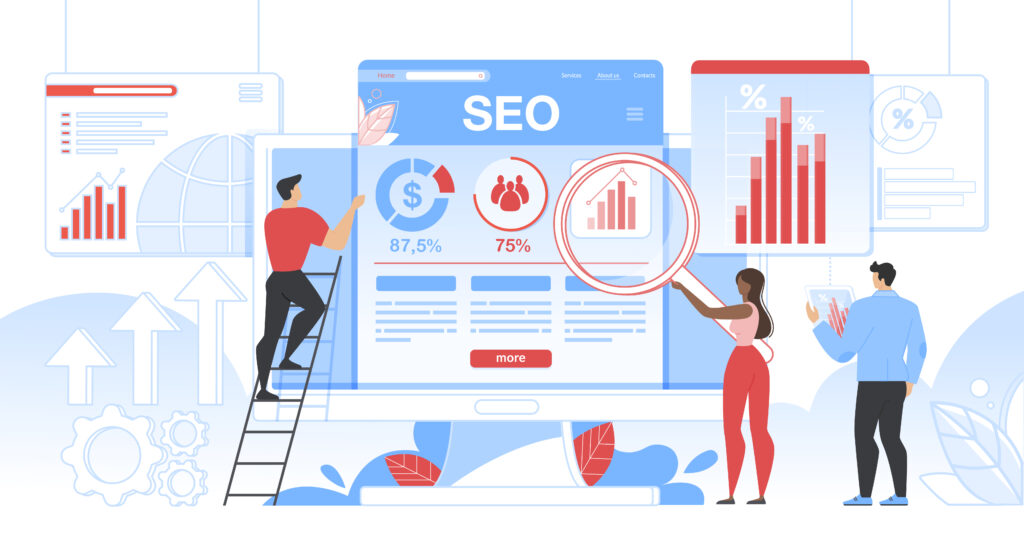
  • Technical SEO: How to Optimize Your Site’s Technical Aspects

    Technical SEO is a frequently overlooked component of search engine optimization that can significantly affect the performance of your website. Technical SEO entails making your website’s technical components—such as its speed, structure, and security—optimized so that search engines can efficiently crawl and index them. You can boost your site’s search ranks, increase traffic to your site, and ultimately raise your online success by putting technical SEO best practices into practice. In this article, we’ll discuss the value of technical SEO and offer advice for improving your site’s technical elements so that it performs better overall and ranks higher in search engines.

    What is Technical SEO and Why is it Important for Your Website’s Success?

    Technical SEO is the process of upgrading your website’s technical elements, including site speed, mobile friendliness, crawlability, and indexability, among others, in order to improve it for search engines. Technical SEO is to make sure that search engine bots can properly crawl and index your site, improving exposure and search engine ranks.


    Since it serves as the cornerstone for all other SEO initiatives, technical SEO is crucial for the success of your website. Your rankings and visibility in search results may suffer if your site is not technically sound. For instance, if your site’s page load speeds are slow, users will probably leave it quickly, increasing your bounce rate, which might harm your search engine results. Similarly to this, crawl issues on your website make it difficult for search engines to index your material, which reduces its visibility in search results.

    How to Optimize Your Site for Fast Loading Times

    Speedy page loads are essential for both the user experience and search engine rankings. Here are some pointers for making your website as quick to load as possible:


    1- Optimise your images. Poorly optimized photos will cause your site to load far more slowly. Reduce the size of your photographs without sacrificing quality by using compressed images. Additionally, you can utilize image optimization software like TinyPNG or Kraken.io.


    2- Minimize HTTP requests: Reduce the amount of HTTP queries your website makes by two.


    3- Use the cache: By saving frequently requested material in the user’s browser, caching can drastically shorten loading times. For WordPress websites, use a caching plugin such as W3 Total Cache or WP Super Cache.


    4- Shorten server response times: The amount of time it takes your server to react to a request might affect how quickly your site loads. By streamlining your code and database, utilizing a Content Delivery Network (CDN), and switching to a quicker web host, you can decrease server response time.


    5- Minify JavaScript and CSS: Minifying JavaScript and CSS entail deleting extra whitespace and comments from your code, which can lower file sizes and speed up page loads. To minify your code, use a program like YUI Compressor or UglifyJS.


    Most Related Articles You May Like :

    PPC VS. SEO: WHICH IS BETTER FOR YOUR BUSINESS?

    The Importance of Website Security and SSL Certificates for SEO

    SSL certificates and website security are crucial for SEO and website performance. In addition to raising search rankings, they also increase user confidence, safeguard against online threats, adhere to rules, and speed up websites.


    1- Google prioritizes secure sites: In its search algorithm, Google takes website security into account. Search results favor secure sites with SSL certificates over insecure sites.


    1. Increases user confidence: SSL certificates offer encryption, which secures user data and increases confidence. A website with SSL certificates has a higher chance of being trusted and visited by users.


    3- Prevents cyberattacks: SSL certificates defend against cyberattacks like data breaches and phishing, which can harm a site’s reputation and hurt its search engine rankings.


    4- Regulation compliance: Several laws and regulations, such as the General Data Protection Regulation (GDPR) and the Payment Card Industry Data Security Standard (PCI DSS), require websites to hold SSL certificates.


    5- Increases site speed: Thanks to HTTP/2, which enables quicker and more effective communication between servers and browsers, websites with SSL certificates can load more quickly.

    How to Set Up Your Website for the Best SEO Performance

    It’s important to organize your website’s content and internal links in a way that makes it simple for search engines to crawl and understand if you want to achieve the best SEO results. Here are some pointers for structuring your website for the best SEO results:


    1- Create a clear site hierarchy: Create a clear site structure by organizing your primary categories, subcategories, and pages logically. Use keyword-rich, evocative URLs to help search engines grasp the structure of your website.


    2- Use header tags: Utilise header tags (H1, H2, H3, etc.) to organize and make your text easier to read. To assist search engines in understanding the major subjects of your pages, use pertinent keywords in your headers.


    3- SEO-optimize your content: Use pertinent keywords consistently throughout the text to ensure that your material is search engine optimized. To make it simple for search engines to index your pages, include a sitemap and use internal links to connect related information on your website.


    4- Use responsive design: Your site needs to be mobile-friendly and adaptable so that it can adapt to multiple screen widths. Given that mobile devices now account for more than half of all searches, having a mobile-friendly website is crucial for SEO.


    5- Make your site fast: The speed of your site affects its rating, so make sure it loads quickly. Reduce HTTP requests, and cache, and optimize pictures to speed up loading.

    How to Make Your Site Mobile-Friendly and Improve Your SEO


    Although Google gives preference to mobile-friendly sites in search results, making your site mobile-friendly is essential for SEO. Here are some pointers to optimize your SEO and make your website mobile-friendly:


    1- Use a responsive design: Adapt your design to various screen sizes and devices by using a responsive one. Your site will look great and work properly on mobile devices if it has a responsive design, which will enhance both user experience and SEO.


    2- Image optimization: Use compressed formats and size reduction to make photos more appropriate for mobile devices. Large graphics might slow down your website and make it challenging for mobile users to load.


    3- Use easily readable fonts: Use fonts that are readable on mobile devices. Do not use small fonts or fonts that are challenging to read on mobile devices.


    4- Simplify navigation: Use drop-down or collapsible menus to make navigating simpler. Users may navigate your website on small displays with ease thanks to this.


    5- Use touch-friendly buttons: On mobile devices, use touch-friendly buttons that are simple to click. To prevent inadvertent clicks, make sure the buttons are big enough and separated from one another sufficiently.

    If you need the Best Social media Marketing Agency for your Business please contact Bliss Marcom.
    Office Address in Noida.
  • 5 Common Local SEO Mistakes You Should Avoid

    If you’re a business owner looking to attract more local customers, then you’ve probably heard of local SEO. Local SEO can help you improve your online visibility and drive more traffic to your website. This can be done by people searching for businesses or services in your area. However, there are some common local SEO mistakes that many businesses make. These mistakes can hurt their rankings and online reputation. In this blog post, we’ll discuss five of the most common local SEO mistakes to avoid. We’ll also provide tips on how to improve your local SEO strategy. So, if you want to make sure you’re not making any of these critical errors, read on!

    What is Local SEO?

    Local SEO, or local search engine optimization, refers to the practice of optimizing a website and its content to increase its visibility in local search results. Local search results are the ones that show up in response to a query that includes a location, such as the best digital marketing course in Delhi.

    Why Local SEO is Important for Small Businesses

    Local SEO is crucial for small businesses because it helps them reach their target audience in their local area, which is often where they get most of their customers.

    1- Targeted traffic: By optimizing their website for local search terms, small businesses can attract more targeted traffic to their website. This means that they can reach people who are actively searching for the products or services they offer. Additionally, this can lead to more conversions.

    2- Increased visibility: Local SEO can help small businesses appear in local search results, which can increase their visibility online. This can help them stand out from their competitors and reach a wider audience.

    3- Better user experience: Local SEO involves optimizing a business’s Google My Business listing and other online directories. This can provide users with important information such as the business’s address, phone number, hours of operation, and reviews. This can improve the user experience and make it easier for potential customers to find and contact the business.

    4- Cost-effective: Local SEO can be a cost-effective way for small businesses to reach their target audience. Unlike traditional advertising methods, such as TV or radio ads, local SEO allows businesses to target specific geographic locations and demographics. This can help them get the most out of their marketing budget.

    5- Builds trust: By optimizing their website and local listings, small businesses can build trust with potential customers. This is because local searchers are more likely to trust businesses that appear at the top of search results.

    Common SEO Mistakes to Avoid

    1: Neglecting Google My Business Listing: Common Local SEO Mistake

    Neglecting Google My Business listing is a common mistake that businesses make in their SEO efforts. However, this can be detrimental to their online presence. One of the reasons for this is that Google My Business listings are a key factor in determining local search rankings. By neglecting their Google My Business listing, businesses are essentially telling Google that they are less relevant or not actively maintaining their online presence. As a result, their visibility in local search results can decrease, leading to a potential decrease in traffic and sales. Therefore, it is essential for businesses to regularly update and optimize their Google My Business listing to improve their local search rankings. 

    2: Not Optimizing for Local Keywords

    Optimizing for local keywords is crucial for businesses that want to attract local customers, but it’s not the only factor that matters in SEO. One common mistake is focusing too much on local keywords and neglecting other important aspects of optimization. Some businesses may stuff their website with local keywords in an attempt to rank higher in local search results. This can actually have the opposite effect and hurt their rankings if Google detects that they are using manipulative tactics. Another mistake is ignoring on-page optimization, such as having high-quality content, proper meta descriptions and title tags, and a well-structured website. These factors not only help with ranking for local keywords but also improve the overall user experience and can lead to higher conversions.

    3: Ignoring Online Reviews and Ratings

    Local SEO

    Online reviews and ratings are becoming increasingly important for SEO and for the overall success of a business. Ignoring them can be a costly mistake that can lead to a loss of potential customers and decreased visibility in search engine results. Ignoring negative reviews can also be detrimental to business. Negative reviews can provide valuable feedback that can help a business improve its products or services, as well as its customer service. By responding to negative reviews in a professional and constructive manner, businesses can demonstrate their commitment to customer satisfaction and potentially turn a negative experience into a positive one.

    4: Inconsistent NAP Information: Common Local SEO Mistake

    NAP (Name, Address, Phone Number) consistency is crucial for local SEO. Inconsistent NAP information can lead to confusion among customers and search engines, ultimately hurting a business’s visibility in local search results. It’s important to ensure that NAP information is consistent across all online listings, directories, and platforms. One common mistake is failing to update NAP information when a business moves or changes its phone number. This can lead to outdated and inconsistent information across different platforms, causing confusion for potential customers and search engines. Inconsistencies can also arise if a business has multiple locations with different NAP information. Inconsistent NAP information can also hurt a business’s credibility and trustworthiness. Customers may be hesitant to do business with a company that has conflicting information online.

    5: Not Having a Mobile-Friendly Website

    With the increasing use of mobile devices to browse the internet, having a mobile-friendly website is crucial for SEO and for the overall success of a business. Not having a mobile-friendly website can lead to a poor user experience, and decreased engagement.

    Ultimately this can decrease visibility in search engine results. Failing to optimize a website for mobile devices. This can lead to slow loading times, difficult navigation, and poor readability on small screens. All of this can discourage users from staying on the website or taking any action. Another mistake is using pop-ups or other elements that are not mobile-friendly. Pop-ups that are difficult to close or obstruct the main content can be particularly frustrating for mobile users. Not having a mobile-friendly website can also hurt a business’s rankings in search engine results. Google’s algorithm takes into account the mobile-friendliness of a website when determining search rankings.

    If you are looking for best Digital Marketing Agency for your Business please contact Bliss Marcom.
    Office Address in Noida.
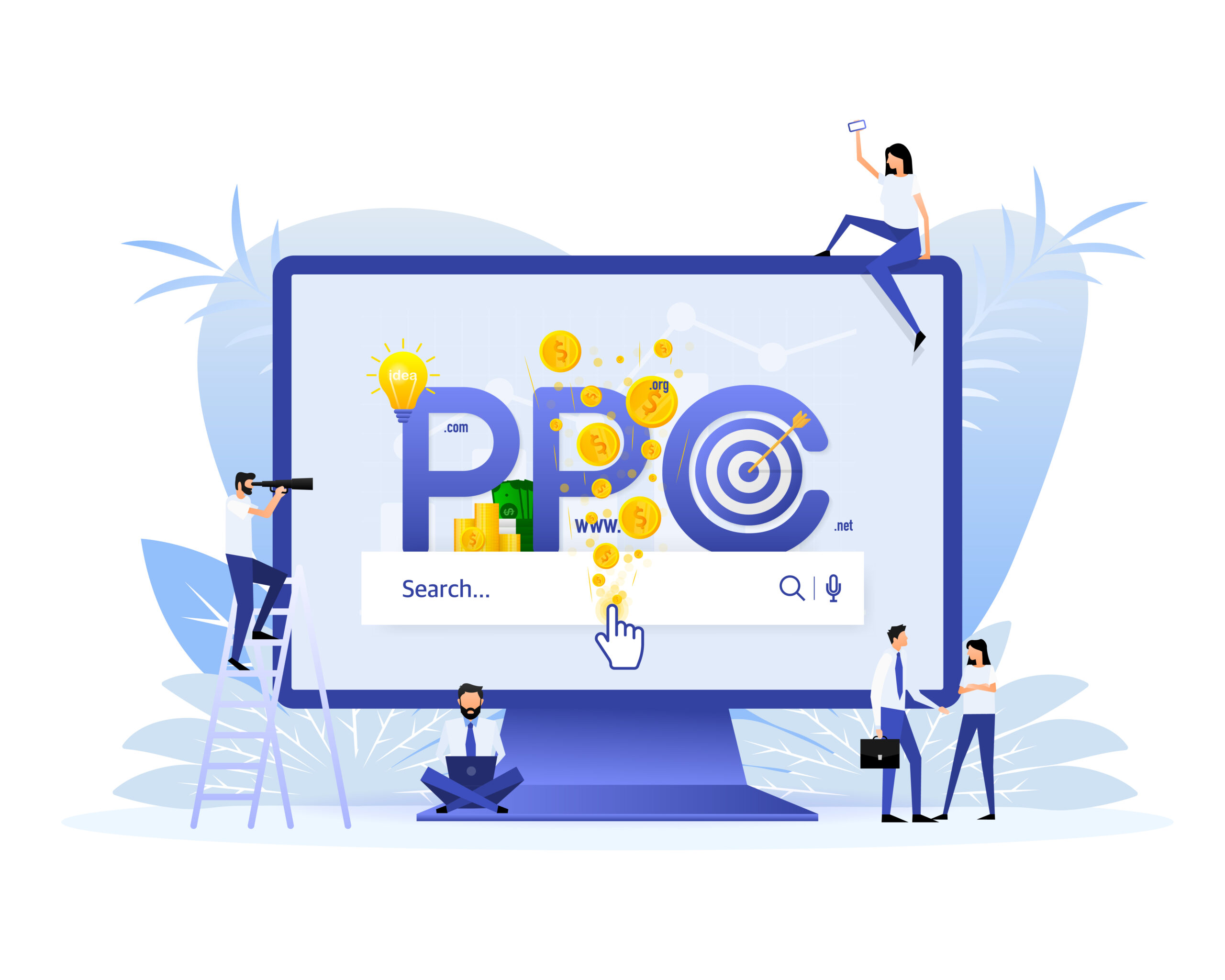
  • Google’s New SERP Ranking Algorithm: What You Need To Know

    Google’s SERP ranking algorithm is a complex and ever-evolving system that plays a crucial role in determining the search rankings of websites. With over 3.5 billion Google searches performed daily, understanding the algorithm is essential for businesses and website owners looking to attract organic traffic and improve their online visibility. Learn how the algorithm affects SEO, the benefits and challenges, and how to prepare for the changes. 

    What is Google’s New SERP Ranking Algorithm?

    Google is constantly updating its search algorithm to improve the quality and relevance of its search results, so there may have been updates since then.

    In general, Google uses a complex algorithm that takes into account hundreds of factors to determine the ranking of search results on its search engine results pages (SERPs). 

    Some of the key factors that Google considers include:

    1- Content relevance and quality: Google looks for high-quality content that is relevant to the user’s search query. This includes factors such as the presence of keywords in the content, the overall quality of the content, and the depth of information provided.

    2- User engagement signals: Google looks at how users interact with a website to determine its quality and relevance. This includes factors such as the time spent on a page, bounce rate, and click-through rate.

    3- Backlinks: Google considers the number and quality of external websites linking to a website to indicate its authority and relevance.

    4- Page speed: Google considers the speed at which a website loads as an important factor in determining its ranking. Faster-loading websites are generally preferred by users and are more likely to rank higher.

    5- Mobile-friendliness: Google places a high priority on websites that are optimized for mobile devices, as the majority of searches are now conducted on mobile devices.

    Overall, Google’s search algorithm is highly complex and constantly evolving, so it is difficult to provide a definitive answer to the question of what Google’s new SERP ranking algorithm is.

    How Does the Algorithm Affect SEO?

    SERP ranking algorithm

    Google’s search algorithm plays a critical role in determining how websites rank on the search engine results pages (SERPs). This, in turn, affects search engine optimization (SEO) strategies and tactics that businesses and website owners use to improve their website’s visibility and ranking on Google.

    The main way the algorithm affects SEO is by influencing the factors that are important for ranking on Google. For example, if Google places a higher priority on mobile-friendliness, websites that are optimized for mobile devices are more likely to rank higher. Similarly, if Google places a higher priority on content relevance and quality, websites that have high-quality content that is relevant to the user’s search query are more likely to rank higher.

    As a result, SEO strategies and tactics need to adapt to the changing algorithm to be effective. For example, in the past, SEO focused on keyword stuffing and building as many backlinks as possible. However, with Google’s focus on content quality and relevance, SEO now focuses on creating high-quality content that answers the user’s search query and provides value to the user.

    In addition, the algorithm’s constant evolution means that SEO is an ongoing process. Businesses and website owners need to stay up-to-date on the latest changes to the algorithm and adapt their SEO strategies accordingly to remain competitive in search rankings. This can include regularly updating content, optimizing for mobile devices, and building high-quality backlinks from relevant sources.

    Overall, the algorithm plays a significant role in shaping SEO and how websites rank on Google. Adapting to these changes is important for businesses and website owners who want to improve their online visibility and attract more traffic to their websites.

    What Are the Benefits of the Algorithm? 

    Google’s search algorithm has many benefits for both users and businesses. Here are a few of the main benefits:

    1- Improved Search Quality: One of the primary benefits of the algorithm is that it helps improve the quality of search results. By considering hundreds of factors, including relevance, quality, and user engagement, the algorithm helps ensure that the most relevant and high-quality results appear at the top of the search results pages.

    2- Better User Experience: The algorithm also helps provide a better user experience. It ensures that users can quickly find the information they are looking for. This can be achieved through relevant and high-quality results at the top of the SERPs, as well as prioritizing websites that are optimized for mobile devices and load quickly.

    3- Fair Competition: By prioritizing websites that provide value to users and are optimized for search, the algorithm helps ensure fair competition among businesses. This means that businesses that invest in high-quality content, user experience, and SEO have a better chance of ranking higher on Google.

    4- Increased Traffic and Sales: For businesses, the algorithm can provide significant benefits in terms of increased traffic and sales. By ranking higher on Google, businesses can attract more visitors to their websites, which can lead to increased leads, sales, and revenue.

    5- Improved Credibility: Finally, ranking higher on Google can also help improve a business’s credibility and authority in its industry. When a business appears at the top of the search results pages, it can be seen as a trustworthy and credible source of information, which can help build trust with potential customers.

    If you are looking for the Best Digital Marketing Agency for your Business please contact Bliss Marcom.
    Office Address in Noida.
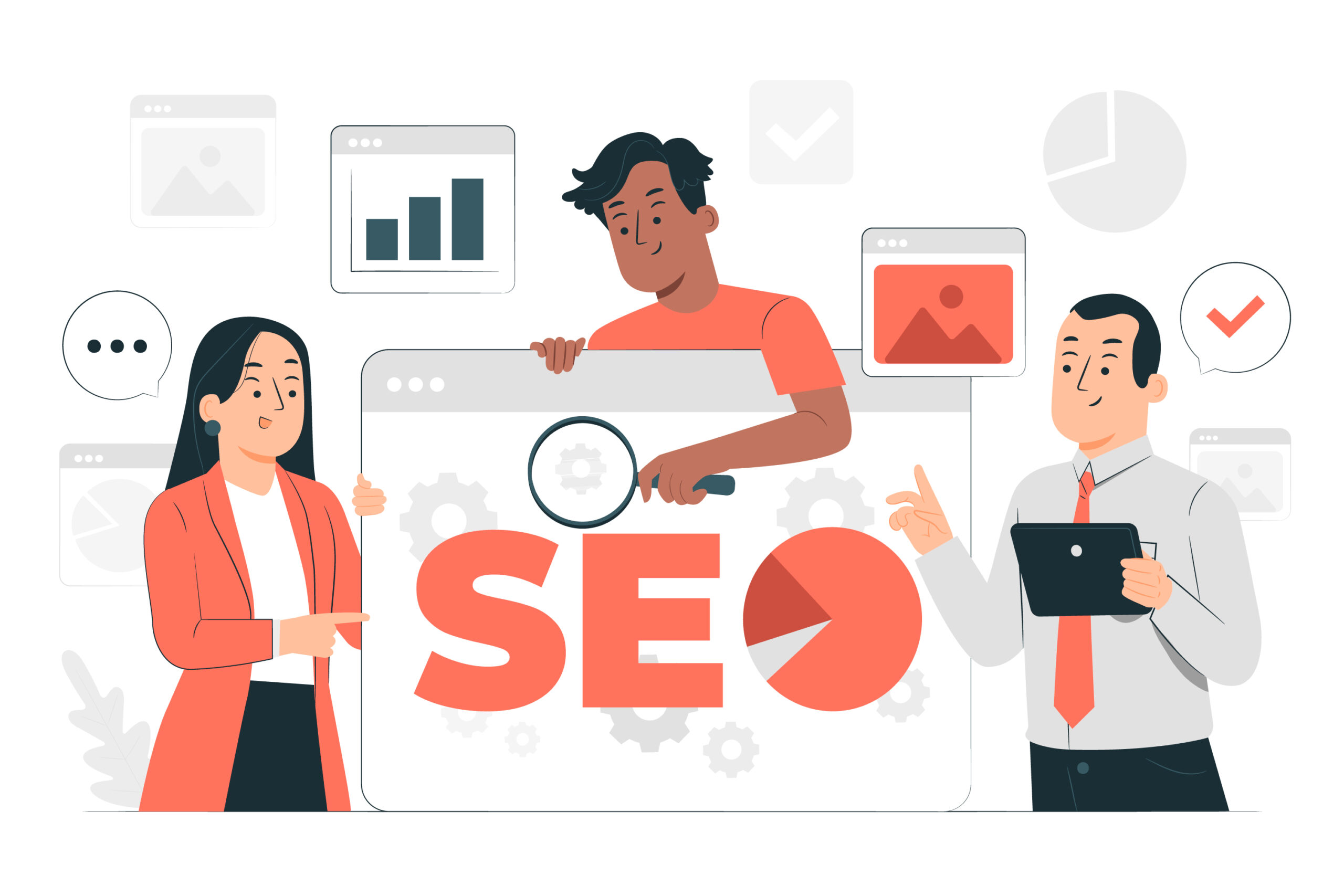
  • Complete Reference on Backlinks & Their Significance for SEO

    Backlinks are the backbone of SEO, and they play a critical role in determining your website’s search engine ranking. In this blog, we’ll take a deep dive into what backlinks are, why they’re important, and how you can use them to improve your website’s ranking.

    What are Backlinks?

    Links that take visitors from one website to another are known as backlinks. Think of backlinks as a validation of content or an endorsement through another reputable source. Essentially, they help search engines understand how valuable and credible your website is. Backlinks can be gained organically through creating high-quality content that other websites want to reference and link to or through outreach efforts in which you reach out to other websites and pitch them on the value of linking back to your site. 

    While backlinking can help improve your ranking on search engine result pages, it’s important not to game the system or try to manipulate rankings with spammy links – this approach will do more harm than good and even search engines penalize or ban these.

    Why are Backlinks Important for SEO?

    When it comes to SEO, backlinks are undoubtedly a crucial factor that cannot be overlooked. Search engines regarded these links as a vote of confidence and trust, which ultimately leads to higher rankings on the search engine results page (SERP). 

    1- Backlinks play a significant role in determining the authority of a website. Search engines consider the number of quality links that point to a website as a sign of its credibility and value. Thus, the more backlinks a website receives, the more authoritative it becomes in the eyes of search engines. The logic behind this is simple – if multiple websites are linking to a particular site, it must be providing something valuable and relevant to its audience.

    2- Backlinks help search engines understand the relevance and context of a website. Search engines use crawlers to analyze and index web pages with these links. A backlink from a relevant and trustworthy website tells search engines that the content on your site is valuable and relevant to the topic. This, in turn, leads to your website ranking higher in search results pages in response to specific keywords. 

    3- Backlinks help drive referral traffic from other websites. When other websites link back to your site, it can increase the possibility of referral traffic. Referral traffic arrives from other websites, and it is an essential factor for any online business to succeed. Referral traffic can result in increased conversions and sales for an online business. 

    4- Backlinks are an essential factor in off-page optimization. Off-page optimization deals with external factors that affect the website’s rankings. Backlinks fall under the category of off-page optimization, which means that they are vital for improving a website’s ranking.

    5- High-quality backlinks help build relationships with bloggers and other webmasters. Building a good relationship with other webmasters and site owners can result in numerous advantages, such as getting more high-quality backlinks. Collaborating with webmasters and bloggers can help generate valuable content and increase the chances of obtaining high-quality backlinks.

    Types of Backlinks

    Backlinks

    There are several types of backlinks:

    1- Natural Backlinks: These are links that occur organically without any effort on your part. Your material is significant enough to other websites that they link to it.

    2- Editorial backlinks: These are hyperlinks that are incorporated into the text of an article or blog post. These links are often included because the website owner believes that the content on the linked page is relevant and valuable to their readers.

    3- Guest Post Backlinks: These are links that are included within a guest post that you have written for another website. The link is usually included in the author’s bio or within the body of the article.

    4- Forum Backlinks: These are links that are included within forum posts or comments. These links can be valuable for SEO if the forum is relevant to your niche.

    5- Social Media Backlinks: These are links that are included within social media posts or profiles. While these links are often no-follow, they can still help to drive traffic to your website.

    6- Directory Backlinks: These are links that are included within online directories. While directory links are not as valuable as they used to be, they can still help to improve your website’s SEO.

    7- Image Backlinks: These are links that are included within the alt text of an image. While these links are not as valuable as other types of backlinks, they can still help to improve your website’s SEO.

    How to Build Quality Backlinks

    Building quality backlinks is an important part of SEO, as they can help to increase your website’s visibility and rankings in search engine results pages. 

    Here are some tips for building quality backlinks:

    1- Create high-quality content: The best way to attract backlinks is to create high-quality content that is useful, informative, and engaging. If your content is valuable and relevant, other websites are more likely to link to it.

    2- Guest posting: Guest posting on other relevant websites is a great way to build quality backlinks. When you contribute a guest post, you can include a link back to your website in your author bio or within the body of the article.

    4- Broken link building: Broken link building involves finding broken links on other websites and offering to replace them with links to your content. This strategy can be effective if you find broken links on high-authority websites.

    5- Resource link building: Resource link building involves creating a valuable resource, such as an infographic or a comprehensive guide, and then promoting it to relevant websites. If your resource is useful and informative, other websites are more likely to link to it.

    6- Social media promotion: Promoting your content on social media can help to attract backlinks. If your content is valuable and relevant, other websites may link to it after seeing it on social media.

    7- Linking to others: Linking to other relevant websites can also help to attract backlinks. When you link to other websites, they may reciprocate to your website.

    Common Mistakes to Avoid When Building Backlinks

    Here are some mistakes to avoid when building backlinks:

    1- Using spammy tactics: Avoid using spammy tactics such as buying links, participating in link schemes, or using automated link-building tools.  Search engines penalize these strategies and hurt their SEO.

    2- Focusing only on quantity: It’s important to focus on building high-quality, relevant backlinks, rather than just focusing on quantity. A few high-quality backlinks from authoritative websites can be more valuable than many low-quality backlinks.

    3- Ignoring relevance: Make sure that the websites you are getting backlinks from are relevant to your niche and audience. Backlinks from irrelevant websites may not provide much value for your SEO.

    4- Neglecting anchor text: Anchor text is the text that is used to create a hyperlink. It’s important to use relevant, descriptive anchor text for your backlinks, rather than using generic phrases such as “click here”.

    5- Overusing exact match anchor text: While anchor text is important, it’s also important to avoid overusing exact match anchor text. This can look spammy to search engines and harm your website’s SEO.

    6- Focusing only on homepage links: It’s important to build backlinks to multiple pages on your website, not just your homepage. This can help to improve the overall authority and ranking of your website.

    7- Not monitoring backlinks: It’s important to regularly monitor your backlinks to ensure that they are still alive and relevant. If you find any low-quality or irrelevant backlinks, take steps to remove them.

    If you are looking for the Best Digital Marketing Agency for your Business please contact Bliss Marcom.
    Office Address in Noida.
  • PPC vs. SEO: Which is Better for Your Business?

    Do you still confused about making a decision that which strategy to use, PPC or SEO in your marketing campaign? This question remains the same – which is better? In this blog post, we will understand both the strategies, their pros and cons, and lastly will discuss which one is more effective for your business.

    PPC and SEO: Introduction

    In the world of digital marketing, there are two key strategies that every business owner should understand to help drive traffic to their website: Pay-per-click (PPC) advertising and Search engine optimization (SEO).

    PPC advertising is a form of online advertising that allows businesses to place ads on search engine result pages (SERPs), social media platforms, and other websites. The business pays a fee each time a user clicks on their ad, hence the term “pay-per-click”. PPC campaigns are typically managed through platforms such as Google Adwords or Facebook Ads.

    On the other hand, SEO is the practice of optimizing a website to improve its ranking on search engine result pages. This is important because the majority of internet users rely on search engines like Google to find the products and services they need. By optimizing their website for search engines, a business can ensure that their website appears in relevant search results, making it easier for potential customers to find them.

    Pros and Cons of PPC Advertising

    Pros of PPC Advertising:

    1- Targeted advertising: With PPC advertising, you can target specific keywords, demographics, geographic locations, and even the time of day when your ads are shown. The proper audience can be reached at the right moment because of this.

    2- Control over ad spend: You can set your daily or monthly budget, and you won’t pay more than that amount. This allows you to have control over your ad spend and ensures you won’t overspend.

    3- Immediate results: Unlike SEO, which can take months to see results, PPC advertising can start driving traffic to your website immediately.

    4- Measurable results: PPC advertising platforms provide detailed analytics, allowing you to track the performance of your campaigns and measure the ROI of your ad spend.

    5- Flexibility: PPC advertising is very flexible, allowing you to adjust your campaigns in real-time, change ad copy, and test new keywords or ad formats.

    Cons of PPC Advertising:

    1- Cost: PPC advertising can be expensive, especially for highly competitive keywords. You may need to bid a lot of money so that your ad is reachable to your target audience.

    2- Competition: Depending on your industry, you may face a lot of competition for keywords, making it difficult to stand out and get clicks.

    3- Click fraud: Click fraud is when someone clicks on your ad with no intention of actually purchasing your product or service. Reduced ROI and wasted ad expenditure may result from this.

    4- Ad fatigue: If you run the same ad for a long time, users may become immune to it and stop clicking, leading to lower CTR and wasted ad spending.

    5- Requires constant monitoring: PPC advertising requires constant monitoring and adjustment to ensure optimal performance. If you don’t keep a close eye on your campaigns, you could be wasting money on ineffective ads.

    Pros and Cons of SEO Optimization 

    Pros of SEO Optimization:

    SEO

    1- Increased visibility: With SEO, you can improve your website’s ranking in search engine results pages, leading to increased visibility and traffic to your website.

    2- Cost-effective: SEO can be cost-effective compared to other forms of online advertising such as PPC. Once you’ve invested in optimizing your website, the ongoing maintenance and updates are typically less expensive than paid advertising.

    3- Increased credibility: Users find that website more credible that ranks highly in search results, leading to increased trust in your brand.

    4- Long-term results: Unlike PPC advertising, where traffic stops flowing as soon as you stop paying, the results of SEO can last for a long time, providing ongoing traffic and revenue.

    5- Better user experience: SEO requires optimizing your website for both search engines and users. This can lead to a better user experience, faster page load times, and improved navigation.

    Cons of SEO Optimization: 

    1- Slow results: SEO can take time to show results, sometimes taking several months to see a significant increase in traffic and rankings.

    2- Constant algorithm changes: Search engine algorithms are constantly changing, which means SEO requires ongoing maintenance and updates to ensure your website stays optimized.

    3- Competition: Depending on your industry, you may face a lot of competition for high-ranking keywords, making it difficult to rank on the first page of search results.

    4- Limited control over ranking factors: While you can optimize your website for SEO, ultimately, search engines have the final say over where your website ranks in search results.

    5- Potential for penalties: Black-hat SEO tactics such as keyword stuffing or buying backlinks can lead to penalties and even complete removal from search results.

    PPC or SEO: Which One is Right for Your Business?

    Whether PPC or SEO is right for your business depends on various factors, such as your budget, marketing goals, and target audience. 

    Here are some considerations to help you decide which one is best for your business.

    1- Budget: If you have a limited budget, SEO may be a better option, as it involves optimizing your website and content for search engines, which doesn’t require you to pay for each click or impression. On the other hand, PPC involves paying for every click, and the cost per click can vary depending on various factors such as keywords, competition, and ad quality.

    2- Marketing goals: If you want to drive immediate traffic and conversions to your website, PPC may be a better option as it can deliver faster results compared to SEO, which can take time to generate organic traffic and rankings. However, if you want to establish long-term visibility and authority for your website, SEO may be a better option, as it can help improve your website’s ranking and organic traffic over time.

    3- Target audience: If your target audience is more likely to use search engines to find products or services similar to yours, SEO may be a better option, as it can help your website appear in search results when users search for relevant keywords. However, if your target audience is more active on social media or other online platforms, PPC may be a better option, as it can help you reach them through targeted ads.

    Both PPC and SEO can be effective marketing strategies for businesses, and the decision to choose one over the other depends on your specific business needs and goals. It’s also worth noting that integrating both PPC and SEO can help you achieve a more comprehensive and effective online marketing strategy.

    If you are looking for The Best Digital Marketing Agency for your Business please contact Bliss Marcom.
    Office Address in Noida.
  • DEVELOP AN ALL-DEVICE RESPONSIVE SEO FRIENDLY WORDPRESS WEBSITE


    It would help if you had an easy and effective solution when you start your website and look for options that will drag more traffic. Now there is doubt that WordPress provides you with the easiest CMS solution. CMS or Content Management System helps you to upload and deliver good quality content. WordPress website helps you get attached to search engines so that viewers can contact your website more often.


    Now the question is how to create your website using WordPress. The best option for these is hiring a wordpress website development company. They will design your website, support, and maintenance, optimize your platform and help you stay updated. Let’s understand what these companies do.


    Developing the finer aspects of WordPress websites

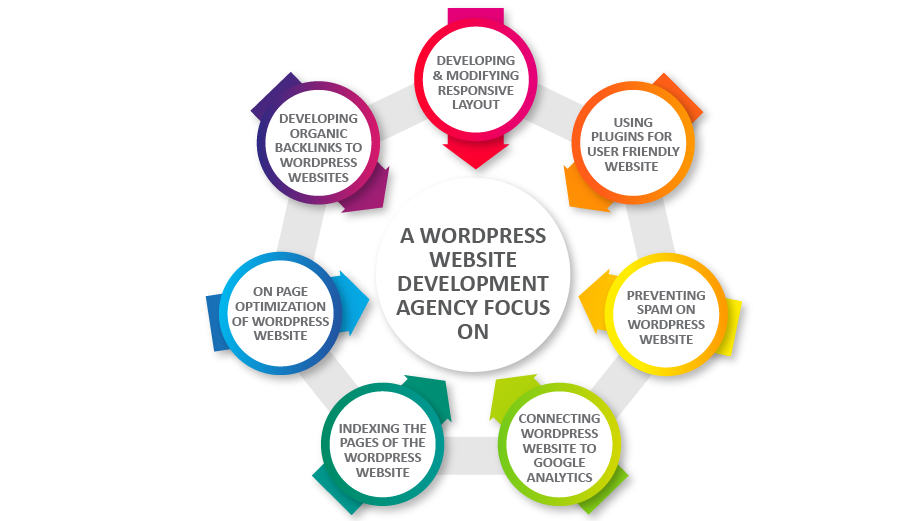
    There are many ways to create your website. You can use coding or non-coding technology for your website. But WordPress provides you with something more. It is a low-coding website that helps you to create great architecture and layout. However, it needs professional assistance to create something unique and profitable simultaneously. An SEO friendly Website requires a WordPress Website development agency. They particularly focus on a few things.

    A WordPress website development agency focus on


    • Developing & modifying responsive layout


    When you appoint an agency, the first thing they do is develop a layout for your content. In short, it is a website’s structure. By creating the right layout, they help you to organize all the information on your website. On the other hand, it helps you create perfect navigation, so viewers do not get diverted. 

    A simple layout helps the viewer to find what they want properly. Now WordPress allow agencies to create and develop layouts for their clients. They place the PHP file inside the WordPress-content folder. They also create a theme and improvise the colour combination to attract visitors.


    • Using the plugins to make the website user friendly


    It is a little software for computer programs, mobile applications or websites. Now WordPress website agency creates small and large custom plugins for your website. They are some model windows for your page that has different functionality. These plugins allow you to add contact forms and create an online store offering email opt-ins. On the other hand, it improves SEO and enhances performance. 

    An agency mostly provides three types of plugins for your custom language support, framework integration and tool integration. Again, they also create a payment plugin for your WordPress E-commerce. It helps you create an auto-payment gateway directly connecting to your bank account. Now you can understand how important plugins can be for you and your audience. 


    • Preventing Spam on the WordPress website


    Spam is unnecessary user content, user registration, and contact forms which consume time and effort for nothing. These spams can also harm your website and crash your entire website. No matter how many benefits WordPress has but it is a vulnerable platform. And each time you use an outdated plugin, theme or layout, it creates a hole for hackers. 

    A WordPress website agency avoids using any backdated material and provides you only the updated version, so your website stays protected at any cost. Again, they take several actions like reducing the links, creating a blacklisted word list, restricting comments, using an anti-spam plugin, etc. 


    • Connecting WordPress website to Google Analytics


    Developers also install Google Analytics on your website so that you can collect information from Google. It helps you to enhance your experience and increase conversion. The developer creates a plugin to create a breeze between Google Analytics and WordPress. This specific strategy also allows you to check how people use your website and the resources. Google Analytics also tracks the website’s traffic and collects visitors’ information. On the other hand, collecting data and information also gives you a clear idea about your product’s performance.


    • Indexing the Pages of the WordPress website


    The easiest way to get in the Google search result is to store your content in the Google index. It only happens if Googlebot visits your website and content. Now a WordPress developing company create and submit a sitemap, encouraging you to promote your site, create and easily navigate a link, submit index request, use URL Parameter, etc. They also help you to stop indexing when you do not need it for some reason. 


    • on Page optimization of wordpress website


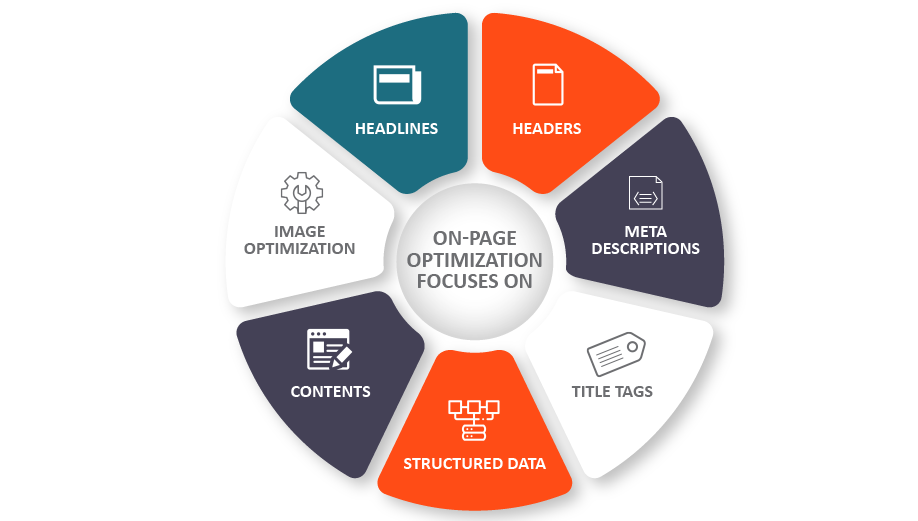
    the Golden rule of SEO is creating the right content that engages the reader and pushes your site’s ranking and trafficking. The on-page optimization is an SEO factor that mostly focuses on SEO. It is the elements that you can control to increase your visibility. Contents, headlines, headers, meta descriptions, image optimization, structured data, and title tags are all included in on-page optimization. They help you identify the organic keywords you can use for your product, content and blog. By researching the popularity of those keywords and the method of using them, the developer directly or indirectly pushes the visibility of your content and product. On-site optimization encourages you to publish related content, update content regularly, share links through keywords, and use tags and Metadata. on page optimization focus on


    • Developing organic backlinks to wordpress websites


    An organic backlink lets you connect different resources to provide the right information to your viewers. In most cases, a backlink is proven beneficial for your viewers and adds value to your content and your website. In WordPress, a backlink is a bridge that connects two different websites. But the use is a little difficult if you do not know how to use them properly. Experts identify the right keyword to produce your organic backlinks and help you create attractive yet beneficial content. These contents help redirect your viewers to the selling page and prove your authenticity.

    The best WordPress developers not only help you to create your website but also increase your site’s visibility and help you to reach the best ranking on Google search by using all the techniques and advantages of WordPress. 

    How is a wordpress development company different from an SEO company?

    A WordPress Website Development Company typically uses WordPress to build its client’s website. Companies that work explicitly on WordPress are a group of WordPress Web developers. They can create the front-end and back-end of your website and enhance the software.

    A website that associates with a WordPress Website Development company helps you to create your WordPress Website. But here, another question arrives if WordPress is a no-coding or low-coding website, why should you hire a WordPress Website Developer? The reason is that many WordPress Website Development companies also work as woocommerce websites. These companies provide a WordPress plugin for your website, specially designed for e-Commerce platforms. They will show your product for sale, and you can customize them according to your choice.

    Final Words

    All this information gives you an idea regarding a WordPress and a WordPress Website Developing Company. Now before you choose any of the agencies mentioned above, keep a few things in mind: identify your need, draw your budget, get more knowledge about the agency, and contact customer support before you start investing.
    If you are looking for the Best Digital Marketing Agency for your Business please contact Bliss Marcom.
    Office Address in Noida.
  • Tweak your E commerce SEO With the Help of the Best SEO Service Providers in Delhi NCR.

    Introduction

    Since the Corona Pandemic has passed, people have realized the value of Internet business. They have understood that they must participate in the race to stay in business. And the journey of that race starts with creating an E-Commerce site for your business. When it comes to E-commerce business, SEO is essential.

    This information will give you the best benefits if you are a beginner and have yet to try your hand at the internet business. 

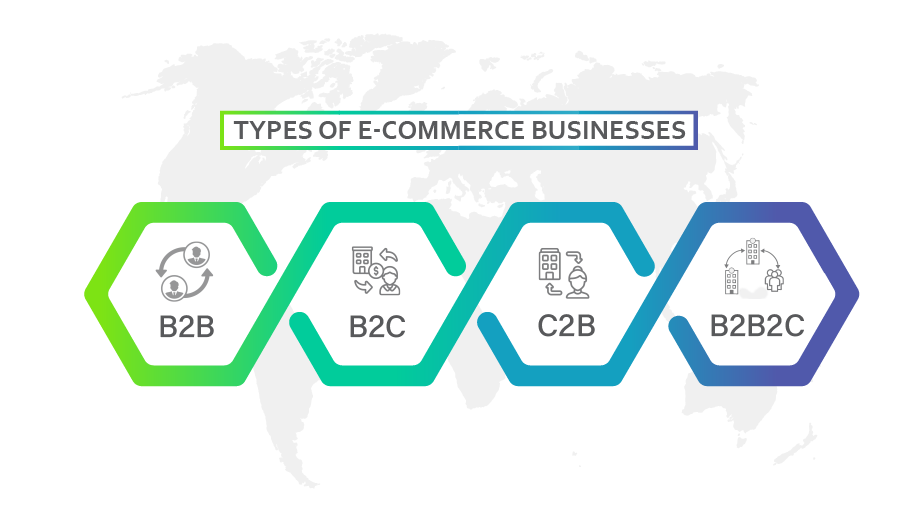
    What is an E-Commerce Business and Types of E-commerce Business?

    An E-Commerce Business refers to a business method that uses the internet as a medium to buy and sell things. Now, on the internet, you can sell and buy anything you want if it has some potential. For example, you can sell clothes, household items, different products, services, technology, tutorial, affiliating services, and anything. If you believe it, 71% of small businesses have an online presence. And they have grown by 50%. Their many types of E-commerce businesses, for example- B2B, B2C, B2B2C, C2B, etc.

    How To Start an E-Commerce Business?

    Starting an E-Commerce Business is a challenging task. On the other hand, if you already have your business and want to expand, it is easier to start.

    • Find a Product you want to sell.
    • Identify the demand for the product and finalize your audience.
    • Now search for the competitors.
    • Draw the plan for your business.
    • Find a local service provider. For example, if you live in Delhi, search for the best SEO Service provider in Delhi NCR.
    • Communicate with them, and share your idea and needs.
    • Name your business and create your website.

    Now focus on your business because the SEO service provider will share the rest. 

    What is an SEO Service Provider?

    SEO stands for Search Engine Optimizer. And an SEO Company creates a partnership with you and helps you to boost your business by increasing your site’s visibility in the search engines. The method will help you to increase traffic for your website and leads for your business. These types of agencies perform multiple tasks related to SEO and help you to use SEO effectively to grow your business. 

    How SEO Works?

    In simple words, SEO is a method that allows search engines to provide the information that users are looking for. For example, if you search “what is SEO?” the search engine will take you to some website that provides information regarding SEO. Again, suppose you are searching for the best winter clothes, and then the search engine will show you all the websites that sell winter clothes online. An SEO service agency helps you with the technique and the SEO process. That means when your target audience searches for the product you sell, the search engine will show your website and others. The process is very beneficial for increasing traffic and generating leads.

    What is the Relationship Between E-Commerce and SEO?

    When you start your online business, you need more website traffic and potential product leads. Now SEO for E-commerce Websites helps you get more traffic and leads without cost.

    The technology makes your product more visible to your target audience. But the process will only work if you correctly do that and achieve the highest ranking than your competitors. And an SEO service provider will practice all the necessary steps to get your website to the highest rank.

    How can SEO bring traffic to your eCommerce Website?


    For an E-commerce company, SEO is one of the most profitable investments. Best SEO Company identifies and applies some of the best methods so that your website can appear on the top of the Search Engine Results Page. Here is how they work.

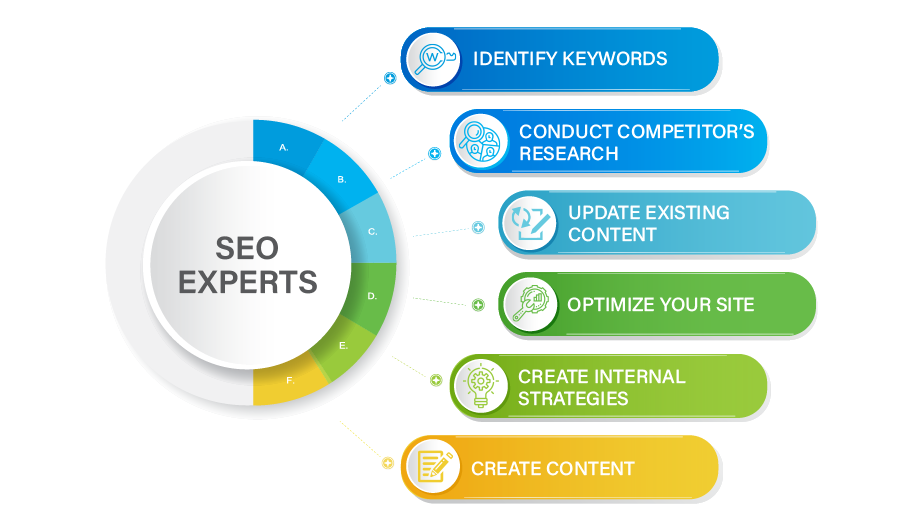
    How can SEO bring traffic to your eCommerce Website

    First, SEO experts identify keywords with high purchase intent and attract high-authority websites. They also identify at least ten organic keywords to generate leads.

    Second, they conduct your competitor’s research and update existing content. They also optimize your site and future snippet and create proper internal strategies. They also create content related to your product that ranks on the Search Engine Results Page.

    Why an SEO agency is the best option to rank on the top of the SERP with transactional keywords?

    According to a study, a SERP result generates 33% of traffic for an e-commerce site. And to be on that top, you need an expert to draw a perfect strategy for your site. Now, an SEO agency creates the best strategy for your website. And here are the factors they focus on

    • Improves your website quality so that it runs fast.
    • It helps you to identify high-quality content.
    • Optimize the link for search engines and mobile devices.
    • Take care of the format of the page.
    • It helps you to share your content on social media.
    • Identify the best keyword that relates to your product yet performs well on the search engine.

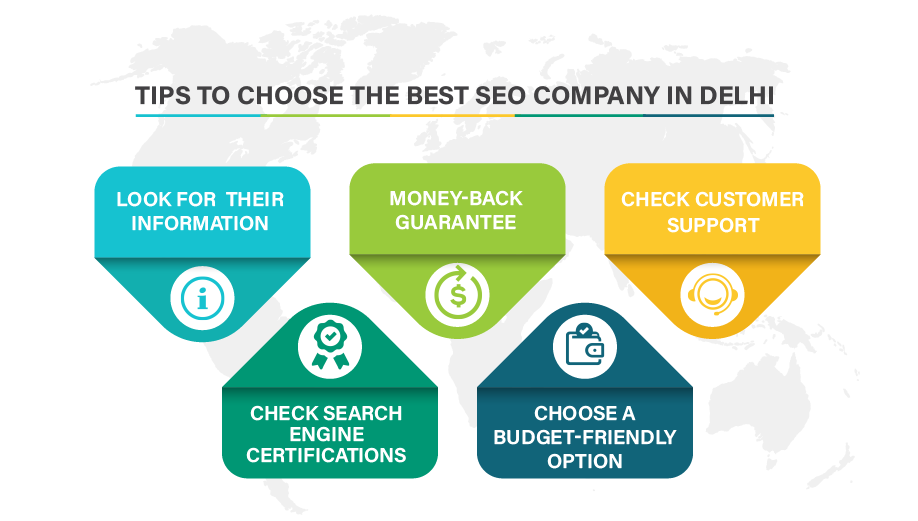
    Tips to Choose the Best SEO Company in Delhi


    By now, you already understand the necessity of an SEO Agency. Their presence is necessary for new startups, e-commerce platforms, and small businesses. But another thing is also necessary here: choosing the right SEO service provider. Here are some tips you can use to choose the best SEO service provider for your E-commerce business.

    Best SEO Company in Delhi NCR


    • Look for the Information


    Once you have done your basic research and homework, look for the information regarding the SEO service providers. Read their history, reviews, the information provided on the website, design quality, and their approach to clients.


    • Money-Back Guarantee


    Money-back guarantee may seem like a business strategy, but it is not. When a company feels confident about its service, they provide a money-back guarantee. The policy says they will return all your money if you are unsatisfied with their service.


    • Check the Search Engine Certifications


    Every legit SEO service provider must have Search Engine Certification. Search engines issue it. For example, if your chosen service providers work with Google, then it is one of Google’s partners.


    • Check the Customer Support


    We enlisted the point in the last, but it should be on the top. After starting your online business, you will face many circumstances. Make sure your chosen company provides good customer support or 24/7 support. Customer support will help you to resolve all your upcoming problems.


    • Go for a Budget-Friendly Option


    This one is highly crucial. Because meager costs can affect your business and put you at multiple risks, on the other hand, high costs can shake your budget. So, make sure you choose the one that will not cost you more yet cover all the necessary services.

    conclusion

    For your E-Commerce website, SEO is essential. And to use the SEO Strategy, you need experts who are masters in SEO strategies. But at the same time, you will also need a trustworthy agency to give you the best benefits. Here, we have shared tips to identify the best SEO Company. But if you are unsure about the process, you can choose from the three websites we have included.
    If you are looking for the Best Digital Marketing Agency for your Business please contact Bliss Marcom.
    Office Address in Noida.