Author: admin

  • The Power of Personalization in Email Marketing

    Among the various marketing strategies, email marketing remains a steadfast method, but it has transformed significantly over the years. One of the most potent tools in a marketer’s arsenal is personalization, a technique that tailors email content to individual recipients. This blog, delves into the realm of personalization in email marketing, exploring its benefits, strategies, and the ethical considerations that come with it.


    What is Email Personalization In  Email Marketing?

    Email personalization refers to the practice of customizing the content and elements of an email message to make it more relevant and appealing to the individual recipient. It goes beyond simply addressing the recipient by their first name; email personalization involves tailoring the email’s content, subject line, images, offers, and calls to action based on the recipient’s preferences, behaviors, and characteristics.

    Personalization in email marketing is achieved by using data and insights about the recipient, such as their past purchase history, browsing behavior, location, demographic information, and interaction with previous emails. By analyzing this data, marketers can create targeted and highly relevant email campaigns that resonate with the recipient’s interests and needs.

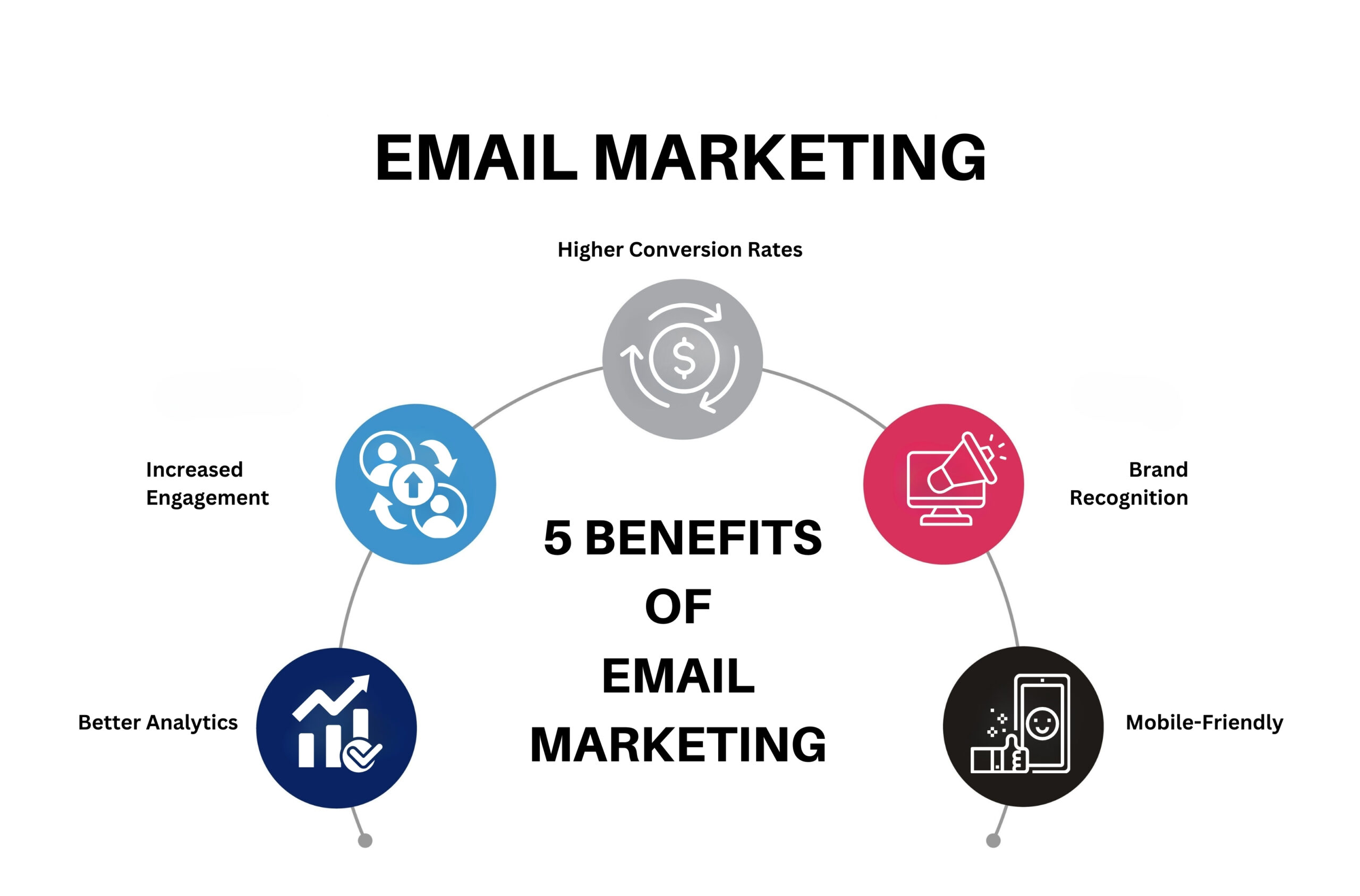
    The goal of email personalization is to create a more personalized and engaging experience for the recipient, leading to higher open rates, click-through rates, and conversion rates. It helps build stronger connections between the brand and the recipient, fostering brand loyalty and ultimately driving business growth.
     

    Email Marketing

    Importance of Email Personalization

    Personalization in email marketing involves crafting messages that resonate with each recipient’s preferences, behaviors, and characteristics. This approach goes beyond simply addressing recipients by their first names; it aims to create a unique and relevant experience for each subscriber. The underlying principle is to establish a connection that feels personal, fostering brand loyalty and increasing the likelihood of conversions.


    Enhanced Customer Engagement

    Personalized emails resonate more deeply with recipients because they feel tailored to their interests and needs. By analyzing customer data, marketers can gain insights into shopping behaviors, browsing history, and past interactions. This data can be leveraged to create targeted content that speaks directly to the recipient’s preferences. For instance, suggesting products related to past purchases or sending recommendations based on their browsing history can greatly enhance engagement.


    Increased Conversion Rates

    The effectiveness of personalized email marketing becomes evident in the form of higher conversion rates. When recipients receive emails containing products or services they are genuinely interested in, they are more likely to take action. Studies have shown that personalized emails can lead to a substantial increase in click-through rates and conversions. The personalized touch establishes a sense of trust, as the recipient feels that the brand understands their needs.


     The Key to Successful Email Marketing Personalization

    Segmentation is the cornerstone of effective personalization. By dividing the email list into smaller groups based on common attributes, marketers can create tailored content for each segment. These attributes could include demographics, purchase history, geographic location, and engagement level. Crafting emails for specific segments allows marketers to address individual needs more accurately and foster a deeper connection with the audience.


    Dynamic Content and Behavioral Triggers

    Dynamic content involves creating emails with sections that change based on recipient attributes. This approach enables marketers to send a single email that adapts to various segments, maintaining a consistent message while showcasing content relevant to each recipient. Behavioral triggers, on the other hand, are automatic responses triggered by a recipient’s actions, such as abandoned carts or browsing specific products. These triggers offer an opportunity to send timely and relevant emails, nudging recipients toward conversion.


    Ethical Considerations

    While personalization can yield impressive results, it’s crucial to navigate this terrain with ethics in mind. Respecting user privacy and obtaining consent for data usage are paramount. Transparent communication regarding data collection and usage builds trust with customers. Additionally, avoiding excessive personalization that may come across as invasive is essential to maintaining a positive brand image.


    Striking the Right Balance

    The balance between personalization and intrusion is delicate. Bombarding subscribers with excessively personalized content can lead to irritation and prompt unsubscribes. Marketers should focus on quality over quantity, ensuring that the personalized content aligns with the recipient’s interests and adds value. A well-crafted personalized email should feel like a thoughtful recommendation, rather than an invasive intrusion.


    Future Trends in Personalized Email Marketing

    As technology continues to evolve, the landscape of personalized email marketing is set to transform further. Artificial intelligence and machine learning algorithms will play a pivotal role in analyzing vast amounts of data to predict consumer behavior and preferences. This will enable marketers to deliver even more accurate and relevant content to their subscribers.

    Moreover, interactive elements such as quizzes, polls, and surveys within emails will encourage user engagement and provide valuable insights. Visual and interactive content will become increasingly important in capturing and retaining the recipient’s attention.


    Conclusion

    In the ever-changing world of digital marketing, personalization stands as a powerful tool to establish genuine connections with customers. The ability to tailor email content based on individual preferences, behaviors, and characteristics creates a more engaging and relevant experience. Enhanced customer engagement, increased conversion rates, and deeper brand loyalty are among the many benefits of this approach.

    However, marketers must tread carefully, ensuring ethical data practices and avoiding excessive personalization. By striking the right balance and embracing evolving technologies, businesses can harness the true potential of personalized email marketing to build lasting connections with their audience.
  • The Evolution of Corporate Social Responsibility (CSR) in Advertising

    [vc_row][vc_column][vc_column_text css=””]Today, Corporate Social Responsibility (CSR) has emerged as a critical component of companies’ strategies to connect with their consumers and contribute to society. One area where CSR has taken center stage is advertising. Over the years, the role and significance of CSR in advertising have evolved significantly, reflecting changing consumer expectations, societal values, and business imperatives. 

    This blog explores the evolution of CSR in advertising, from its humble beginnings to its present-day integral role in shaping brand identity and consumer perceptions.


    Understanding Corporate Social Responsibility (CSR) in Advertising

    Corporate Social Responsibility (CSR) refers to the practice by which businesses and organizations take deliberate actions to positively impact society and the environment beyond their primary financial goals. It involves integrating ethical, social, and environmental concerns into business operations and decision-making processes. CSR entails initiatives that go beyond legal requirements, demonstrating a commitment to sustainable practices, ethical conduct, community engagement, and the well-being of various stakeholders, including employees, customers, communities, and the environment.


    Types of Corporate Social Responsibility

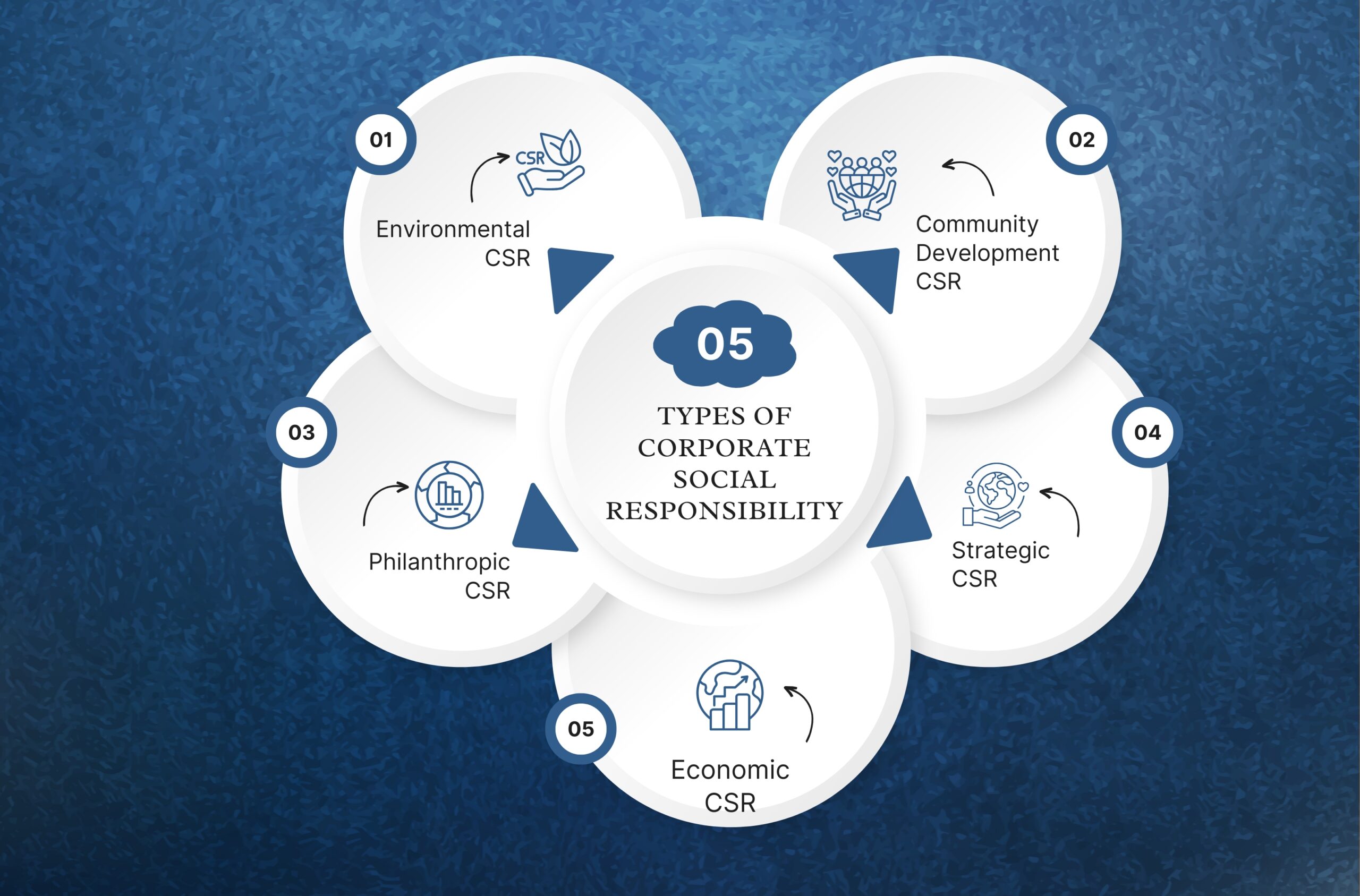
    Corporate Social Responsibility (CSR) encompasses a variety of approaches and initiatives that businesses undertake to address social, environmental, and ethical concerns while contributing positively to society. CSR initiatives are often categorized into different types based on their focus and impact. Here are some of the main types of CSR:


    corporate Social Responsibility

    1. Environmental CSR:

    This type of CSR focuses on a company’s impact on the environment. It involves initiatives aimed at reducing the company’s carbon footprint, conserving resources, promoting sustainable practices, and addressing issues such as pollution and waste management. Environmental CSR often includes efforts like adopting renewable energy sources, implementing recycling programs, and reducing water consumption.


    2. Philanthropic CSR:

    Philanthropic CSR involves charitable giving and supporting various social causes and organizations. This can include donations to non-profits, community development projects, disaster relief efforts, and educational programs. These initiatives aim to directly benefit communities and address pressing societal needs.


    3. Economic CSR:

    Economic CSR focuses on how a company contributes to economic development and prosperity within its community or region. This can involve providing job opportunities, promoting local entrepreneurship, and supporting economic growth through responsible business operations. Companies engaged in economic CSR often prioritize creating long-term sustainable value for the community and society.


    4. Strategic CSR:

    Strategic CSR integrates social and environmental considerations into a company’s core business strategy. It involves identifying opportunities for mutual benefit where societal and business interests align. For example, a company might develop products or services that address a social need while generating revenue. Strategic CSR goes beyond philanthropy to create sustainable business models that contribute positively to society.


    5. Community Development CSR:

    Community development CSR involves working directly with local communities to address their needs and enhance their well-being. This could include initiatives such as building schools, healthcare facilities, and infrastructure, as well as supporting community-based programs that empower residents.


    CSR as a Competitive Advantage

    In recent years, CSR has evolved into a competitive advantage. Brands that demonstrate a strong commitment to social and environmental causes often outperform their competitors. According to a study by Nielsen, 66% of global consumers are willing to pay more for products and services from companies committed to positive social and environmental impact.


    The Role of Social Media in CSR

    Social media platforms further accelerated the evolution of CSR in advertising. Companies found new ways to engage with consumers on issues they cared about. Movements like the #BlackLivesMatter and #MeToo campaigns demonstrated how social media could amplify voices and hold corporations accountable for their actions, both internally and in their advertising.


    The Future of Corporate Social Responsibility (CSR) in Advertising

    Looking ahead, the evolution of CSR in advertising is unlikely to slow down. As societal challenges continue to mount, consumers will expect companies to take a more active role in addressing them. This may include tackling issues such as climate change, income inequality, and access to healthcare. Additionally, emerging technologies like virtual reality and augmented reality will provide new avenues for immersive and impactful CSR campaigns.


    Conclusion

    The evolution of Corporate Social Responsibility in advertising reflects broader shifts in societal values, consumer expectations, and business practices. From the early days of detached philanthropy to the present era of purpose-driven storytelling, CSR in advertising has transformed into a powerful tool for brands to connect with their audience and make a positive impact. 

    As consumers become more conscious of their choices and demand authenticity, the future of CSR in advertising promises to be one of deeper integration, transparency, and meaningful engagement between brands and consumers.


    Frequently Asked Questions (FAQs)

    [/vc_column_text][vc_toggle title=”Why is CSR important for businesses?” css=””]CSR is important for businesses because it can enhance their reputation, build trust with stakeholders, attract socially conscious consumers, improve employee morale, and reduces risks.[/vc_toggle][vc_toggle title=”What are the main categories or types of CSR initiatives?” css=””]CSR initiatives can be categorized into types such as Strategic CSR, Environmental CSR, Economic CSR, Philanthropic CSR, Strategic CSR and Community Development CSR.[/vc_toggle][vc_toggle title=”What are some examples of CSR initiatives?” css=””]Examples of CSR initiatives include reducing carbon emissions, supporting local communities through charitable donations, promoting fair labor practices, sourcing sustainable materials, creating products that address social needs, and ensuring workplace diversity and inclusion.[/vc_toggle][vc_toggle title=”How can companies choose the right CSR initiatives for their organization?” css=””]Companies should consider their core values, stakeholder expectations, industry context, and the specific social and environmental issues relevant to their businesses when choosing CSR initiatives.[/vc_toggle][vc_toggle title=”How do consumers support CSR efforts?” css=””]Consumers can support CSR efforts by choosing products and services from companies with strong CSR commitments, advocating for ethical and sustainable practices, and participating in volunteer or charity activities organized by companies.[/vc_toggle][/vc_column][/vc_row]

  • How has E-commerce revolutionized the Retail Industry?

    [vc_row][vc_column][vc_column_text css=””] 

    The retail industry has undergone a seismic transformation in recent decades, driven primarily by the advent and rapid growth of e-commerce. Traditional brick-and-mortar stores are no longer the sole players in the retail game; online shopping has become an integral part of our consumer culture. 


    This digital revolution has not only reshaped the way we shop but has also brought about significant changes in the retail industry as a whole. In this blog, we will explore how e-commerce has revolutionized the retail industry.


    1. Accessibility and Convenience


    One of the most significant ways e-commerce has revolutionized retail is by making shopping more accessible and convenient than ever before. With just a few clicks or taps, consumers can browse through an extensive catalog of products, compare prices, read reviews, and make purchases from the comfort of their own homes or on the go. This convenience has completely changed the way people shop, eliminating the need to visit physical stores unless they prefer to do so.


    2. Global Reach


    E-commerce has transcended geographical boundaries, allowing businesses to reach a global audience with ease. Retailers are no longer limited to serving a local or regional market. Through online platforms, they can showcase their products to potential customers worldwide. This expanded reach has opened up new growth opportunities for businesses, irrespective of their size, and has fuelled the growth of international trade.


    3. Diverse Product Offerings


    E-commerce has led to an explosion of product diversity. Online marketplaces can offer an almost endless array of products, ranging from niche and specialized items to mass-market goods. Consumers now have access to an unparalleled variety of products, ensuring they can find precisely what they are looking for, even if it’s something unique or obscure.


    4. Personalized and Recommendations


    E-commerce platforms are equipped with sophisticated algorithms that track user behavior and preferences. This data allows retailers to offer personalized shopping experiences by recommending products tailored to each individual’s interests. This level of personalization not only enhances but also increases the likelihood of making a sale, as customers are more likely to purchase items they genuinely desire.


    E-commerce

    5. Cost-Efficiency


    For both consumers and businesses, e-commerce has introduced cost efficiencies. Retailers can operate with lower overhead costs compared to physical stores, which may require rent, utilities, and staff for in-store operations. As a result, e-commerce businesses can pass on these cost savings to customers in the form of lower prices or special promotions.


    6. 24/7 Accessibility


    Unlike physical stores with set operating hours, e-commerce websites are open 24/7, providing consumers with the flexibility to shop whenever it suits them. This has become especially relevant in today’s world, where many people have busy schedules and cannot always shop during traditional store hours.


    7. Customer Reviews and Trust


    E-commerce platforms facilitate the sharing of customer reviews and ratings. Shoppers can read about the experiences of others before making a purchase decision, which helps build trust and transparency in the retail industry. Positive reviews can boost sales, while negative feedback can prompt improvements in product quality and customer service.


    8. Seamless Payment and Security


    E-commerce has also made payment methods more convenient and secure. Online shoppers can choose from a variety of payment options, including credit cards, digital wallets, and even cryptocurrencies. Advanced encryption and security measures have made online transactions safer, reducing the risk of fraud and identity theft.


    9. Inventory Management and Analytics


    E-commerce platforms offer robust inventory management tools and analytics capabilities. Retailers can monitor stock levels in real-time, optimize product listings, and analyze customer behavior to make the data-driven approach to retail allow businesses to adapt quickly to changing market trends and customer preferences.


    10. The Rise of Mobile Commerce


    The proliferation of smartphones has given rise to mobile commerce, or m-commerce. Consumers can shop on the go using mobile apps, or mobile-friendly websites. Mobile commerce has become a significant driver of e-commerce growth, allowing retailers to engage with customers wherever they are.


    11. Reduced Overheads


    Operating a physical store involves significant overhead costs, such as rent, utilities, and in-store staff. E-commerce often requires fewer physical resources, allowing businesses to allocate more of their budget to improving the online shopping experience, marketing, and product quality.


    Conclusion


    E-commerce has undeniably revolutionized the retail industry, reshaping the way businesses operate and consumers shop. It has brought unparalleled convenience, accessibility, and choice to consumers while challenging traditional retail models. Businesses that adapt to these changes and embrace the opportunities offered by e-commerce are poised for success in this retail industry. The e-commerce revolution is far from over, and its potential to reshape retail is boundless.

    Frequently Asked Questions (FAQs)

    [/vc_column_text][vc_toggle title=”What is e-commerce, and how does it differ from traditional retail?” css=””]E-commerce, short for electronic commerce, refers to the buying and selling of goods and services over the Internet. It differs from traditional retail in that it doesn’t require physical stores; transactions occur online.[/vc_toggle][vc_toggle title=”How has e-commerce made shopping more convenient for consumers?” css=””]E-commerce offers 24/7 accessibility, allowing consumers to shop at any time from anywhere with an internet connection. This convenience eliminates the need to visit physical stores.[/vc_toggle][vc_toggle title=”What is personalized shopping, and how does e-commerce facilitate it?” css=””]Personalized shopping tailors product recommendations to individual preferences using data and algorithms. E-commerce platforms collect user data to offer personalized product suggestions, enhancing the shopping experience.[/vc_toggle][vc_toggle title=”How has e-commerce improved customer service in the retail industry?” css=””]E-commerce platforms offer various customer support options, including live chat, chatbots, and email support, available 24/7. Additionally, online reviews and ratings provide valuable information for shoppers.[/vc_toggle][vc_toggle title=”How does e-commerce contribute to cost efficiency for retailers?” css=””]E-commerce reduces overhead costs associated with physical stores, such as rent, utilities, and maintenance. Retailers can also employ efficient inventory management practices, minimizing storage expenses.[/vc_toggle][vc_toggle title=”How will e-commerce continue to shape the future of the retail industry?” css=””]E-commerce will likely continue to evolve with advancements in technology and changes in consumer behavior. The future may see innovations like augmented reality shopping experiences and increased automation in fulfillment.[/vc_toggle][/vc_column][/vc_row]

  • What is Social Impact Marketing?

    This shift has given rise to the concept of Social Impact Marketing, a strategy that focuses on creating meaningful change while also driving business success. In this blog, we will explore the importance and various aspects of social impact marketing.


    What is Social Impact Marketing?

    Social Impact Marketing, sometimes referred to as Cause Marketing. It is a strategy where a business or organization aligns its marketing efforts with a social or environmental cause to create positive change. The primary goal of “social impact marketing” is to leverage the business’s resources, reach, and influence to support and promote a cause while also achieving marketing and business objectives. 

    This approach allows companies to demonstrate their commitment to social responsibility and address societal or environmental issues while engaging with customers and stakeholders who share similar values and concerns.


    The Importance of Social Impact Marketing.

    1. Building a Strong Brand Image: Businesses that engage in social impact marketing are seen as more socially responsible and caring. This positive image can attract a loyal customer base and help retain employees.


    1. Meeting Consumer Expectations: Modern consumers are increasingly conscious of the societal and environmental impacts of their purchasing decisions. By demonstrating commitment to social causes, businesses align with these expectations.


    1. Enhancing Employee Engagement: Employees are more motivated and proud to work for a company that is making a difference in the world. Social impact initiatives can boost employee morale and retention.


    1. Staying Competitive: As more companies adopt social impact marketing, those that do not risk falling behind in the marketplace. Being socially responsible can be a competitive advantage.


    1. Addressing Global Challenges: Social impact marketing allows businesses to contribute to solving significant global challenges, such as poverty, climate change, and inequality.


    Social Impact Marketing

    Key Components 


    1. Cause Alignment: The cause a business chooses to support should align with its values and the interests of its target audience. Authenticity is crucial; consumers can quickly spot insincere efforts.


    1. Transparency: Transparency is paramount in social impact marketing. Businesses must clearly communicate how their efforts are making a difference and where resources are going.


    1. Collaboration: Partnering with non-profit organizations, governmental agencies, or other businesses can amplify the impact of social initiatives and increase credibility.


    1. Storytelling: Telling compelling stories about the impact of a business’s efforts can engage customers and make the cause more relatable.


    1. Measurement and Reporting: It’s essential to measure the outcomes of social impact initiatives and report progress. Demonstrating results builds trust with stakeholders.


    Examples

    Several companies have successfully implemented social impact marketing strategies Let’s explore a few examples:


    1. TOMS Shoes: TOMS is famous for its “One for One” model. For every pair of shoes purchased, TOMS donates a pair to a child in need. This initiative has not only helped millions of children but has also created a distinct brand identity.


    1. Patagonia: Patagonia, an outdoor clothing company, has long-standing commitment to environmental sustainability. They donate a percentage of their sales to grassroots environmental organizations, and they encourage customers to buy used Patagonia products to reduce waste.


    1. Coca-Cola: Coca-Cola’s “World Without Waste” initiative aims to collect and recycle a bottle or can for every one they sell by 2030. This effort addresses the growing problem of plastic pollution and aligns with consumer concerns about the environment.


    1. Dove: Dove’s “Real Beauty” campaign promoted body positivity and self-esteem. This initiative resonates with Dove’s audience and emphasizes the brand’s commitment to social responsibility.


    Challenges in Social Impact Marketing


    While social impact marketing offers numerous benefits, it comes with its challenges:


    1. Authenticity Concerns: Consumers can be skeptical of businesses that use social issues solely for marketing purposes. To be successful, companies must genuinely care about the causes they support.


    1. Measuring Impact: Quantifying the social impact of marketing efforts can be complex. Businesses need reliable metrics to demonstrate the effectiveness of their initiatives.


    1. Choosing the Right Cause: Selecting the right cause to support is crucial. Businesses must consider their values, audience, and the cause’s relevance.


    1. Balancing Profit and Impact: Striking a balance between financial sustainability and social impact can be challenging. Businesses must ensure that their efforts do not harm their bottom line.


    Conclusion 


    Social Impact Marketing represents a significant shift in the way businesses operate and engage with society. It is no longer enough for companies to focus solely on profits; they must also address social and environmental challenges. By aligning their marketing efforts with meaningful causes, businesses can build stronger brand images, meet consumer expectations, and contribute to a better world.


    However, authenticity, transparency, and a genuine commitment to change are essential for the success of social impact marketing initiatives. As businesses continue to embrace this approach, we can expect a more responsible and compassionate corporate landscape in the years to come.

  • How Green Marketing Balances Sustainability and Authenticity

    Today, where environmental concerns have taken center stage, green marketing has emerged as a powerful tool for businesses to promote their commitment to sustainability. However, this approach is a double-edged sword. While it offers companies the opportunity to align with eco-conscious consumers and drive sales, it also raises the crucial question of authenticity. 


    Are these companies genuinely committed to sustainability, or are they simply using green marketing as a plot to boost their bottom line? This blog delves into the complex realm of green marketing, exploring the delicate balance between sustainability and authenticity.


    What is Green Marketing?


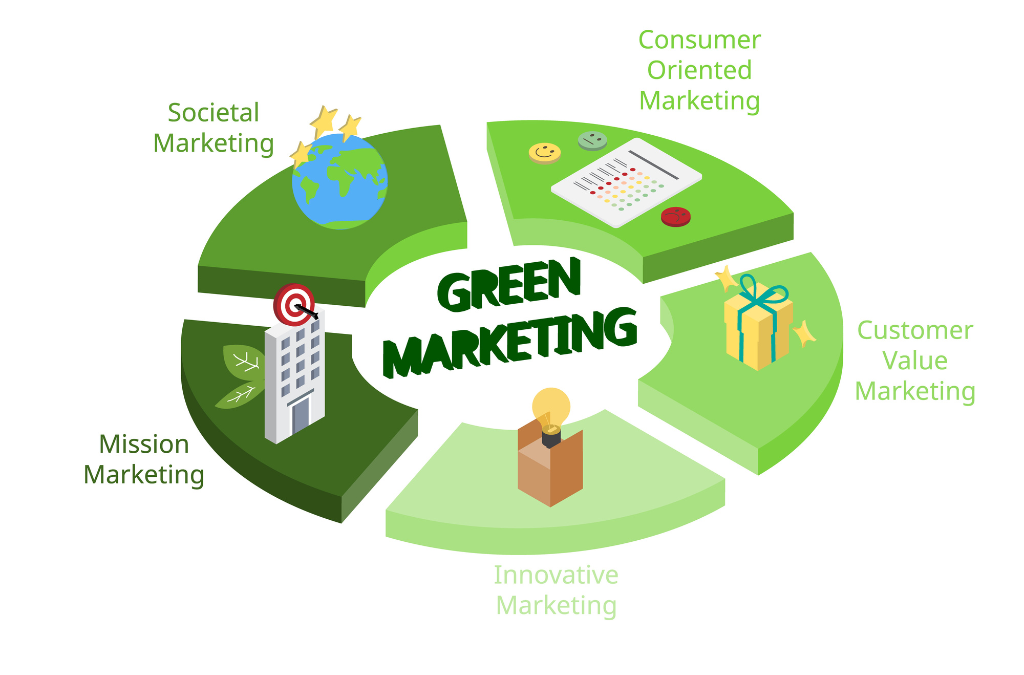
    Green Marketing


    Green marketing, also known as eco-marketing or sustainable marketing, is not a new concept, but it has gained significant traction in recent years. As consumers become more environmentally aware and conscious of their purchasing decisions, businesses have recognized the importance of incorporating sustainability into their branding and advertising strategies.


    One of the primary drivers behind the rise of green marketing is the growing concern about climate change and environmental degradation. Consumers are increasingly seeking eco-friendly products and services, and they are willing to support companies that share their values. This shift in consumer behavior has compelled businesses to adapt or risk losing market share.


    Significance of Green Marketing


    1. Addressing Environmental Concerns: Green marketing allows companies to take responsibility for their ecological footprint. By adopting eco-friendly practices, businesses can help mitigate environmental issues such as climate change, deforestation, and resource depletion.


    1. Meeting Consumer Demands: Today’s consumers are more eco-conscious than ever before. They seek products and brands that align with their values, making sustainability a key driver of purchasing decisions.


    1. Gaining Competitive Advantage: Companies that implement green marketing strategies often enjoy a competitive edge in the market. It can help differentiate their brand and attract a niche audience of environmentally aware consumers.


    Strategies for Effective Green Marketing


    1. Product Innovation: Develop and promote products that are eco-friendly, energy-efficient, or made from recycled materials. Highlight these features in marketing campaigns to appeal to environmentally conscious consumers.


    1. Transparent Communication: Be honest and transparent about the environmental benefits of your products or services. Avoid “greenwashing,” which involves exaggerating or falsely claiming environmental benefits.


    1. Sustainable Packaging: Minimize packaging waste by using recyclable, biodegradable, or reusable materials. Communicate your commitment to sustainable packaging to consumers.


    1. Eco-Friendly Production: Implement sustainable manufacturing processes, reduce energy consumption, and minimize waste generation. Share your efforts in reducing the environmental footprint of your operations.


    1. Social Responsibility: Engage in environmentally responsible initiatives, such as supporting conservation efforts, tree planting, or reducing carbon emissions. These actions demonstrate a genuine commitment to sustainability.


    Impact of Green Marketing


    1. Positive Brand Image: Companies that successfully implement green marketing can enhance their brand reputation as socially responsible and environmentally conscious. This can lead to increased customer loyalty and trust.


    1. Market Expansion: By catering to eco-conscious consumers, businesses can tap into a growing market segment and expand their customer base.


    1. Regulatory Compliance: Adhering to eco-friendly practices through green marketing helps companies stay ahead of potential environmental regulations and avoid legal complications.

    Case Studies in Green Marketing


    Several companies have successfully navigated the path of green marketing with authenticity. These case studies illustrate how businesses can align sustainability with their marketing strategies:


    1. Patagonia: The outdoor clothing company Patagonia has long been a pioneer in sustainable practices. They invest in organic materials, ethical sourcing, and repair services for their products. Patagonia’s marketing campaigns emphasize environmental responsibility, and their “Worn Wear” initiative encourages customers to buy used clothing to reduce waste.


    1. Tesla: Tesla has revolutionized the automotive industry with its electric vehicles. Their commitment to reducing carbon emissions aligns with their marketing message of creating a sustainable future. Tesla’s success lies in its innovative approach to both technology and branding.


    1. Unilever: Unilever, the consumer goods giant, has made sustainability a core part of its business strategy. They have set ambitious goals, such as making all their plastic packaging recyclable and sourcing 100% of their agricultural raw materials sustainably. Unilever’s “Sustainable Living Plan” is central to its marketing efforts, showcasing its commitment to a better world.


    What is Greenwashing?


    Greenwashing is a deceptive marketing practice in which a company or organization exaggerates or falsely claims to be more environmentally friendly or sustainable than it is. This term is often used to describe instances where a business tries to make its products or operations appear eco-friendly without making substantial efforts to reduce its environmental impact.


    Common examples of greenwashing include using misleading labels, symbols, or slogans that imply environmental benefits, even when those benefits are minimal or non-existent. For instance, a company might use “green” or “eco-friendly” packaging without making any significant changes to its product or manufacturing processes.


    Greenwashing can mislead consumers who genuinely want to make environmentally responsible choices, as they may end up supporting companies that do not prioritize sustainability. To avoid falling victim to greenwashing, consumers should look for third-party certifications, conduct research, and critically assess a company’s environmental claims before making purchasing decisions.


    Conclusion


    Green marketing is more than just a buzzword; it’s a reflection of the changing values and expectations of consumers. To thrive in this new landscape, businesses must genuinely embrace sustainability as a core value and communicate their efforts transparently. Authenticity in green marketing is not only a moral imperative but also a smart business strategy. 


    When companies strike the right balance between sustainability and authenticity, they can win the trust and loyalty of eco-conscious consumers, leading to long-term success in an increasingly green-focused world.


    Frequently Asked Questions (FAQs)


    1. What are some examples of green marketing strategies?

    Examples of green marketing strategies include promoting energy-efficient products, using sustainable and recyclable packaging, transparently communicating eco-friendly practices, and engaging in environmental initiatives like tree planting or carbon offset programs.


    1. Why is green marketing important?

    Green marketing is important because it addresses environmental concerns, meets consumer demands for sustainable products, and can provide businesses with a competitive advantage. It helps reduce negative environmental impacts and attracts environmentally conscious consumers.


    1. Are there regulations against greenwashing?

    Many countries have regulations in place to prevent greenwashing. These regulations may require companies to substantiate their environmental claims and impose penalties for deceptive marketing practices.


    1. How can consumers support green marketing and sustainable businesses?

    Consumers can support green marketing by choosing products and services from companies with genuine sustainability efforts, verifying environmental claims, and spreading awareness about eco-conscious choices among friends and family.

  • Off-Page SEO Techniques that Boosts Your Website’s Authority

    There are two types of SEO: On-Page and Off-Page SEO. But first, let’s understand what SEO is. Search Engine Optimization (SEO) refers to the practice of optimizing websites and content to rank higher in organic search results, making them more likely to be found by people searching for relevant information, products, or services.


    On-page SEO refers to the optimization activities carried out directly on the website’s web page or content whereas, Off-Page SEO focuses on activities that take place outside of the website itself.


    In this article, we will help you understand how Off-Page SEO techniques can help you enhance your website’s authority.


    Creating High-Quality Backlinks


    Off Page SEO


    Creating backlinks is one of the most effective factors in Off-Page SEO and in increasing your website’s authority. Backlinks are the links from external websites that point to your site. Data shows that Google is much more likely to rank a website better than another if one domain has more backlinks.


    Focus on acquiring high-quality backlinks from reputable and relevant sources within your niche. These links will bring major traffic to your website which will help Google to recognize it as a trustworthy, dependable source of information. 


    Even though link building is hard and requires a long-term strategy, if done effectively, your website’s average ranking position in search results is very likely to increase.


    Influencer Marketing


    Influencer marketing is a strategy where brands collaborate with individuals who have a large following and who are active on social media, to promote products, services, or brands. You have to reach out to those influencers and ask them if they are interested in collaborating with your company.


    These influencers have a large audience and can help you boost your website’s credibility and traffic. Influencer marketing is a very useful Off-Page SEO technique.


    Social Media Management


    One of the most effective Off-Page SEO techniques is Social Media. Social media is a great way to increase your website’s traffic and can help you establish brand authority. Sharing your content, interacting with your audience, and building a strong social media presence can increase your brand’s visibility and drive more traffic to your website. 


    Although social media platforms will not directly benefit from your SEO, social signals such as likes, shares, and comments, can indirectly influence your website’s rankings.


    Content Marketing


    Creating high-quality, informative, and shareable content is a fundamental off-page SEO technique. When your content is engaging and valuable, it’s more likely to be shared on social media and other websites. Content marketing helps businesses attract and engage customers online. 


    This organic sharing can lead to natural backlinks and increased authority. Content marketing can improve your website’s rankings in search engines like Google. 


    Guest Posting


    One of the effective ways to market your content is by writing guest posts, This will not only help you build quality backlinks but also trigger more organic traffic to your website.


    Guest posting is an effective way to build backlinks and increase your website’s authority. By contributing high-quality, relevant content to other reputable websites in your industry, you can showcase your expertise and earn valuable backlinks.


    Ensure that your guest posts provide value to the readers and include a link back to your website within the author bio or content when relevant.


    Local SEO and Google My Business


    Local SEO is the process of optimizing your online presence to increase your visibility in local search results and brand awareness. It is an important Off-Page SEO technique and can significantly boost your website’s authority, especially for local or regional audiences. Strategies like local link building can improve your online presence within specific geographical areas, which can be crucial for attracting local customers.


    Google My Business helps you influence how your business shows up in Google. Ensure that your business profile is complete and accurate with essential information and encourage customers to leave reviews.


    Online Reputation and Management


    Monitoring what people are saying about your brand actively and responding to customer reviews, both positive and negative builds customer trust. Studies show that a maximum number of buyers purchase products after reading the reviews. 


    Manage your brand’s online presence by addressing customer feedback and maintaining a positive image. A strong online reputation can attract more visitors and enhance your website’s credibility.


    Conclusion


    By implementing these strategies, such as building high-quality backlinks, engaging in content marketing, and social media management, you can enhance your website’s credibility, attract more visitors, and ultimately achieve online success. Keep in mind that Off-page SEO is an ongoing process that requires dedication and consistent effort, so stay committed.


    Hope this article’s information will help you!


    Frequently Asked Questions (FAQs)


    1. What is the role of content marketing in off-page SEO?

    Content marketing involves creating valuable content. When your content is engaging and informative, it’s more likely to be shared on other websites and social media platforms, which can lead to natural backlinks and increased website authority.


    1. How can I build high-quality backlinks for my website?

    To build high-quality backlinks, focus on creating valuable content, guest posting on reputable websites, reaching out to influencers, and networking within your industry. Quality backlinks from authoritative sites are more valuable than quantity. 


    1. How can I measure the success of my off-page SEO efforts?

    You can measure the success of your off-page SEO efforts by using tools like Google Analytics and SEO analytics platforms. Track metrics such as website traffic, search engine rankings, and the number of backlinks. Analyze the data to refine your strategies.


    1. How do I manage my online reputation for better website authority?

    To manage your online reputation, actively monitor and respond to customer reviews and feedback. Maintain a positive image by addressing issues promptly and professionally. A strong online reputation can enhance your website’s credibility.

  • Mastering Website Page Speed: Tips to Keep Your Website Fast and Reliable

    A slow-loading website not only frustrates visitors but also affects your search engine rankings. However, we have to focus on Website Page Speed. in This article learn about how to Improve Website Page Speed

    The Importance of  “Website Page Speed”


    Page speed is a critical factor in website performance. It directly impacts user experience, search engine rankings, conversion rates, and mobile-friendliness. Slow-loading websites frustrate users, leading to high bounce rates.

    Additionally, search engines favor faster websites, resulting in improved visibility and organic traffic. Faster load times also boost conversion rates and cater to mobile users with limited patience.

    Increasing your website page speed will give you several benefits like high ranking on Google, reduced costs, and increased organic traffic. If the website loads quickly and a provides good experience then the user is more likely to check the rest of the information on your website.


    How Website Page Speed Helps You Rank Higher on Google Search Results?

    Page speed is an important factor for ranking higher on Google search results for several reasons:


    1. Mobile-First Indexing: 

    Google primarily uses mobile-first indexing, which means it evaluates your website’s mobile version for ranking. Mobile users often have slower internet connections, making page speed even more crucial for mobile rankings.


    2. Bounce Rates: 

    Slow-loading pages tend to have higher bounce rates (users leaving the site quickly). Google interprets a high bounce rate as an indication that users didn’t find what they were looking for, potentially leading to lower rankings.


    3. Check Core Web Vitals for Website Page Speed: 

    Google introduced Core Web Vitals as ranking factors, which include metrics like “Largest Contentful Paint” (LCP), First Input Delay (FID), and Cumulative Layout Shift (CLS). These metrics assess page loading speed, interactivity, and visual stability, respectively, emphasizing the importance of page speed in rankings.


    How a Fast-Loading Website Reduces Costs


    1. Lower Hosting Costs:

    Fast websites typically require fewer server resources, as they process requests more efficiently. This can lead to lower hosting expenses, especially for websites with high, traffic, as they can often operate on less powerful servers.


    2. Reduced Bandwidth:

    Faster websites transfer data more efficiently, resulting in lower bandwidth usage. This is particularly beneficial for websites with limited data transfer allocations or those using Content Delivery Networks (CDNs) where bandwidth can be costly.


    3. Lower Development Costs:

    Efficiently coded websites with faster load times are easier to develop and maintain. They require less time spent on optimization, bug fixing, and troubleshooting, which can reduce development and maintenance expenses.


    4. Faster Content Delivery:

    In the case of e-commerce websites, faster loading times can lead to improved product page loading and checkout processes. This can reduce cart abandonment rates and increase sales, ultimately offsetting costs.


    Creating a website that is consistently optimized for page speed requires a proactive and continuous effort. Here are seven powerful steps to achieve this:


    Step 1: Choosing a Fast Hosting Provider:

    • Start with a hosting provider known for speed and reliability.
    • Consider a hosting plan that includes features like SSD storage, content caching, and scalable resources.


    Step 2: Optimize Images and Media in Website to Improve Website Page Speed

    • Compress and resize images to reduce file sizes.
    • Use modern image formats like WebP for better compression. 
    • Implement responsive images to serve appropriately sized images based on the user’s device.


    Step 3: Implement Caching:

    • Enable server-side caching mechanisms like opcode caching and object caching.
    • Use a Content Delivery Network (CDN) to cache and serve content from edge servers closer to users.


    Step 4: Minimize HTTP Requests in website:

    • Combine CSS and JavaScript files to reduce the number of requests. 
    • Use CSS sprites or inline small CSS/JS when appropriate.
    • Remove or defer unnecessary scripts and widgets.

    Step 5: Prioritize Critical Rendering Path:

    • Load critical CSS inline to render above-the-fold content quickly.
    • Use asynchronous or deferred loading for non-essential scripts.
    • Optimize the order in which resources load to avoid render-blocking issues.


    Step 6: Implement Lazy Loading to Improve website page Speed:

    • Lazy loading allows images and videos to be loaded only when they are presented in the user’s field of view.
    • Use the ‘loading=” lazy” attribute for images and iframes.


    Step 7: Regular Performance Audits and Optimization for website:

    • Continuously monitor your website’s performance using tools like Google PageSpeed Insights, GTmetrix, or Lighthouse.
    • Address issues and optimize your website based on the audit results.
    • Keep your CMS, themes, and plugins up-to-date to benefit from performance improvements.


    Frequently Asked Questions (FAQs) To Improve Website Page Speed.


    1. What is website Page Speed ?

    Page speed refers to how fast a web page loads and displays its content to users when they visit a website. It’s typically measured in seconds or milliseconds.


    1. Why “website page speed” is important?

    Page speed is crucial for user experience, SEO, and conversions. Fast-loading pages keep users engaged, rank higher in search results, and lead to higher conversion rates.


    1. How can I check my website’s page speed?

    You can use various online tools like Google PageSpeed Insights, GTmetrix, or Pingdom to analyze your website’s page speed and receive performance recommendations.


    1. What is the ideal page load time for a Website?

    Ideally, a web page should load in under 3 seconds. However, faster is always better, especially for mobile users with slower connections.


    1. What is the impact of  Website page speed on SEO?

    Page speed is a ranking factor in Google’s search algorithm. Faster-loading pages tend to rank higher in search results, which can positively impact your website’s SEO and visibility.

  • How to Find the Right Social Media Marketing Agency?

    Selecting the right social media marketing agency is a crucial decision that can significantly impact your business’s success. To help you navigate this process, we’ve outlined a step-by-step guide to ensure you choose the agency that aligns with your goals and objectives.


    1. Define Your Goals and Objectives for Social Media Marketing Agency


    Before you begin your search for a social media marketing agency, it’s essential to have a clear understanding of your goals and objectives. Are you looking to increase brand awareness, drive website traffic, generate leads, or boost sales? Defining your goals will guide your agency selection process and help you measure the agency’s success.


    2. Research Potential Agencies

    Begin by researching potential agencies. Use search engines, social media platforms, and industry directories to compile a list of agencies that specialize in social media marketing. Don’t forget to ask for recommendations from peers or colleagues who have experience with social media agencies.


    3. Check Client Reviews

    Client reviews and testimonials provide valuable insights into an agency’s reputation and performance. Search for online reviews on platforms like Google, Yelp, or Clutch. Reach out to past and current clients if possible to gather firsthand feedback about their experiences with the agency.


    4. Evaluate Their Social Media Presence


    A reputable social media marketing agency should have a strong online presence. Evaluate their social media profiles – are they active, engaging, and consistent? This is a good indicator of their ability to manage your social media effectively.


    5. Discuss Budget and Pricing


    Budget considerations are essential when choosing an agency. Discuss pricing models, contract terms, and any additional costs upfront. Ensure that their pricing aligns with your budget and that there are no hidden fees.


    6. Assess Communication and Responsiveness


    Effective communication is key to a successful partnership with a social media marketing agency. Pay attention to their response times and how well they address your queries and concerns during the selection process. This will give you a glimpse of what to expect in the future.


    7. Start with a Trial Period


    Consider starting with a trial period or a smaller project to test the agency’s capabilities and compatibility with your business. This minimizes risk and allows you to gauge their performance before committing to a long-term contract.


    8. Monitor Progress


    Once you’ve selected an agency, closely monitor their progress and results. Regularly review reports and analytics to ensure that they are meeting your goals and expectations. Open and ongoing communication is vital to a successful partnership.


    Why Do You Need a Social Media Marketing Agency?


    Social Media Marketing Agency


    A social media marketing agency plays a vital role in the success of modern businesses for several compelling reasons. They possess up-to-date knowledge of algorithm changes, trends, and best practices, ensuring that your brand remains relevant and visible.


    Furthermore, a social media marketing agency brings a fresh perspective to your brand’s online presence. They can offer creative and innovative ideas to engage your audience effectively, which can be challenging to achieve internally.


    Social media marketing agencies have the tools and resources to track and measure the impact of your campaigns comprehensively. They can provide detailed insights into user behavior, engagement rates, and conversion metrics, enabling you to refine your strategy for optimal results.


    Collaborating with an agency also frees up your team’s time and resources, allowing them to focus on other core aspects of your business. It eliminates the need to hire and train in-house social media specialists, reducing overhead costs.


    Lastly, a social media marketing agency can help your brand stand out. They can craft a unique and consistent brand voice, foster community engagement, and build brand loyalty, all of which are crucial for success.


    In summary, a social media marketing agency is indispensable for businesses seeking to thrive today. Their expertise, and creativity can elevate your brand’s online presence, drive growth, and ensure a strong return on investment.


    Frequently Asked Questions (FAQs)


    1. What is a social media marketing agency, and why do I need one?

    A social media marketing agency specializes in managing and growing your brand’s presence on social media platforms. You may need one to enhance your online visibility, engage with your audience, and drive business results.


    2. What should I consider when choosing a social media marketing agency?

    Factors to consider include their expertise, experience, client reviews, pricing, services offered, and the ability to align with your brand’s goals and values.


    3. Do I need a large agency, or can a smaller one suffice?

    It depends on your goals and budget. Larger agencies may offer more resources, while smaller ones can provide personalized attention. Consider what aligns best with your needs.


    4. What social media platforms should my agency be proficient in?

    Ensure they are skilled in the platforms most relevant to your target audience. Common ones include Facebook, Instagram, Twitter, LinkedIn, and TikTok.


    5. How do I assess an agency’s expertise?

    Look at their portfolio, case studies, and client success stories. Ask about their team’s qualifications, certifications, and specific experience in your industry.


    6. How will they communicate and report to me regularly?

    Clarify their communication channels and frequency of reporting so you can stay informed about campaign progress.

  • Data Security in E-commerce: A Comprehensive Guide

    Understanding E-commerce Data


    Understanding e-commerce data is very important for online businesses. Data serves as the lifeblood of e-commerce operations, providing insights, enabling personalization, and facilitating transactions. There are various types of data involved in e-commerce, let’s explore them:


    1. Customer Data:


    Customer data encompasses personal information such as names, email addresses, shipping addresses, and contact numbers.
    It’s essential for creating user accounts, processing orders, and providing customer support.
    Effective use of customer data enables businesses to offer personalized shopping experiences, recommend products, and engage in targeted marketing.


    2. Transaction Data:


    Transaction data includes details of purchases made by customers, such as product names, quantities, prices, and payment methods.
    It’s vital for order fulfillment, inventory management, and financial record-keeping.
    Analyzing transaction data helps e-commerce businesses optimize pricing, manage inventory efficiently, and identify popular products.


    3. Payment Data:


    Payment data consists of sensitive information like credit card numbers, CVVs, and billing addresses.
    Safeguarding payment data is topmost to protect customers from fraud and identity theft.
    Compliance with the Payment Card Industry Data Security Standard (PCI DSS) is mandatory for secure handling of payment data.


    4. Website Analytics:


    Website analytics data includes user behavior information, such as page views, click-through rates, and bounce rates.
    It helps e-commerce businesses track the performance of their websites, identify areas for improvement, and measure the success of marketing campaigns.
    Tools like Google Analytics provide valuable insights into user interactions.


    5. Customer Reviews and Feedback:


    Customer reviews and feedback data consist of user-generated content, including product reviews, ratings, and comments.
    It provides valuable social proof for products and helps businesses identify areas for improvement.
    Moderation and response to customer reviews can enhance brand reputation and customer trust.


    6. Marketing and Advertising Data:


    Marketing and advertising data includes information on ad campaigns, click-through rates, conversion rates, and customer demographics.
    This data guides marketing strategies, helping businesses allocate resources effectively and target the right audience.
    Marketing automation tools use this data to optimize advertising efforts.


    7. Inventory and Product Data:


    Inventory and product data encompass information about product availability, descriptions, images, and pricing.
    This data is vital for managing product listings, updating stock levels, and ensuring accurate product information on the website.
    Automation tools can help keep inventory data up-to-date and synchronized with e-commerce platforms.


    E-commerce Security Measures


    Protecting customer data requires a multi-layered approach that combines technology, processes, and awareness. Here are some essential security measures that e-commerce businesses should implement:


    1. Encryption:


    Data encryption is a cornerstone of e-commerce security. By converting sensitive information into unreadable code during transmission, encryption prevents unauthorized access. Secure Sockets Layer (SSL) and Transport Layer Security (TSL) protocols are widely used to encrypt data during online transactions.


    2. Payment Card Industry Data Security Standard (PCI DSS) Compliance:


    PCI DSS is a set of security standards designed to ensure the secure handling of credit card information during online transactions. E-commerce businesses that handle credit card data are required to comply with these standards to mitigate the risk of data breaches.


    3. Regular Software Updates:


    Outdated software can have vulnerabilities that hackers exploit. E-commerce platforms, content management systems, and plugins should be regularly updated to include the latest security patches.


    4. Secure Authentication:


    Implement strong authentication practices for both customers and employees. Two-factor authentication (2FA) adds an extra layer of security by requiring users to provide an additional form of verification beyond a password.


    5. Data Minimization:


    Collect only the data that is necessary for business operations. Storing excessive customer data increases the risk associated with a potential breach.


    6. Regular Security Audits and Penetration Testing:


    Conduct regular security audits and penetration testing to identify vulnerabilities and weaknesses in your systems. This proactive approach helps address potential threats before they can be exploited.


    7. Employee Training:


    Educate employees about the importance of data security and train them to recognize phishing attempts, social engineering, and other cyber threats.


    8. Third-Party Security:


    If you use third-party vendors or partners, ensure that they adhere to robust security practices. Weaknesses in third-party systems can become avenues for attacks.


    9. Data Backups:


    Regularly back up customer data to secure servers. This ensures that even in the event of a breach, data can be recovered without significant loss.


    10. Incident Response Plan:


    Have a well-defined incident response plan in place to handle data breaches effectively. This plan should outline steps to take in the event of a breach, including communication with affected parties and regulatory bodies.


    Data Security Threats in E-commerce


    To effectively combat data security threats in e-commerce, it’s essential to understand the various risks that businesses face:


    1. Phishing Attacks


    Phishing involves tricking individuals into revealing sensitive information, often through fraudulent emails or websites. E-commerce sites are frequently targeted as they handle valuable customer data.


    2. Malware and Ransomware


    Malicious software can infect e-commerce platforms, potentially stealing data or locking access until a ransom is paid.


    3. Insider Threats


    Employees or contractors with access to sensitive information can intentionally or unintentionally compromise security.


    4. SQL Injection


    Attackers exploit vulnerabilities in web applications to gain unauthorized access to data bases, potentially exposing customer data.


    Conclusion


    E-commerce security is not an option; it’s a necessity. The protection of customer data is not only a legal obligation but also a fundamental responsibility that underpins customer trust and business sustainability. Failing to protect customer data can lead to dire consequences for both individuals and businesses.


    Frequently Asked Questions (FAQs)


    1. What is data security in e-commerce, and why it is important?

    Data security in e-commerce refers to the protection of sensitive customer information, such as personal data and payment details, from unauthorized access or breaches. It is crucial it safeguards customer trust, prevents financial losses, and ensures compliance with data protection regulations.


    2. What are the common threats to data security in e-commerce?

    Common threats include phishing attacks, malware, ransomware, insider threats, SQL injection, and Distributed Denial of Service (DDoS) attacks.


    3. How can I build trust with my e-commerce customers regarding data security?

    Building trust involves transparent data handling practices, clear privacy policies, secure payment gateways, and demonstrating compliance with relevant regulations. Communicate your commitment to data security to reassure customers.


    4. What should I do if my e-commerce website experiences a data breach?

    If a data breach occurs, follow your incident response plan, notify affected customers promptly, report the breach to relevant authorities as required by law, and work to contain and mitigate the breach.

  • Social Responsibility in Marketing: How Brands Could Make a Positive Impact?

    In an era characterized by increasing consumer awareness and demand for ethical business practices, the concept of social responsibility in marketing has taken center stage. Brands are not only expected to deliver quality products and services but also to contribute positively to society.

    In this article, we will discuss the significance of social responsibility in marketing and explore strategies that brands can adopt to make a lasting and positive impact on their bottom line and the world.


    Understanding Social Responsibility in Marketing


    Social responsibility in marketing refers to a company’s commitment to conducting its operations with consideration for the social and environmental impact it has on society. It involves aligning business practices with ethical and moral standards while striving to make a positive contribution to the community and the planet.

    This responsibility extends beyond mere compliance with regulations and laws, aiming to proactively address social issues and concerns.


    The Evolution of Social Responsibility in Marketing


    Historically, businesses were primarily concerned with profit generation. However, as societies became more interconnected and consumers more informed, a shift occurred. Brands began recognizing their potential to influence social change and started embracing social responsibility in their marketing efforts.

    Socially responsible marketing involves incorporating ethical considerations and community-oriented initiatives into a brand’s messaging and actions. This approach acknowledges that a brand’s success is intertwined with the well-being of the communities it serves.


    Building Authentic Connections


    The foundation of effective social responsibility in marketing lies in building authentic connections with consumers. This means going beyond mere lip service and aligning marketing efforts with genuine efforts to create positive change. When brands demonstrate authenticity in their commitments, consumers are more likely to develop a sense of loyalty and trust.


    Strategies for Socially Responsible Marketing


    1. Cause Marketing


    Cause marketing involves partnering with charitable organizations or social causes to create campaigns that benefit both the cause and the brand. This approach not only raises awareness for the cause but also positions the brand as one that cares about making a difference.

    For example, TOMS Shoes pioneered the “One for One” campaign, promising to donate a pair of shoes to a child in need for every pair purchased. This initiative demonstrated their commitment to social responsibility and resonated with consumers who wanted their purchases to have a positive impact.


    2. Sustainable Practices


    Embracing sustainable practices in manufacturing and sourcing material not only reduces a brand’s environmental footprint but also appeals to environmentally conscious consumers. Brands that prioritize sustainability can highlight their efforts in marketing campaigns, showcasing their commitment to the planet.


    3. Transparency and Accountability


    Openly sharing information about business practices, supply chains, and labor conditions demonstrates transparency and a commitment to ethical operations. Brands that are accountable for their actions, both positive and negative, build credibility with consumers who value honesty.


    4. Empowerment and Inclusivity


    Marketing campaigns that celebrate diversity, inclusivity, and empowerment resonate with a wide range of consumers. Brands that actively work to dismantle stereotypes and create platforms for marginalized voices can foster positive social change through their marketing efforts.


    5. Educational Campaigns


    Educational campaigns aim to raise awareness about social issues and encourage positive behavior changes. Brands can leverage their marketing reach to educate the public and encourage actions that contribute to a better society.


    Benefits of Socially Responsible Marketing


    Embracing social responsibility in marketing offers numerous benefits for both brands and society as a whole:


    1. Enhanced Brand Image: Brands that actively contribute to societal well-being are viewed more favorably by consumers, leading to increased brand loyalty and positive associations.


    2. Competitive Advantage: Ethical practices and a commitment to social responsibility can set brands apart in competitive markets.


    3. Increased Consumer Engagement: Meaningful campaigns that resonate with consumers’ values lead to higher engagement and participation.


    4. Long-Term Sustainability: Brands that prioritize social responsibility are more likely to build a sustainable and enduring business model.


    5. Positive Impact: Most importantly, socially responsible marketing allows brands to play an active role in addressing societal challenges and making the world a better place.


    Challenges and Considerations


    While the benefits are significant, socially responsible marketing is not without its challenges. Brands must carefully navigate potential pitfalls, such as accusations of “greenwashing” (making false or exaggerated claims about sustainability efforts) and the risk of appearing opportunistic. Authenticity and a genuine commitment to change are essential to overcoming these challenges.


    Conclusion


    As consumers continue to demand more from the brands they support, the importance of social responsibility in marketing cannot be overstated. Brands that recognize their role in shaping society and take meaningful steps to contribute positively are likely to thrive in the long run.

    By adopting strategies like cause marketing, embracing sustainability, fostering inclusivity, and promoting transparency, brands can create a positive impact that resonates far beyond their products and services. In a world where consumer choices can drive social change, socially responsible marketing isn’t just an option – it’s a powerful tool for creating a better future.


    Frequently Asked Questions (FAQs)


    1. What is Social Responsibility in marketing?

    Social responsibility in marketing refers to a company’s commitment to conducting its marketing activities in an ethical and socially conscious manner, taking into account the impact on society and the environment.


    2. Why is social responsibility important in marketing?

    Social responsibility is important in marketing because it helps build trust with consumers, attracts ethically conscious customers, provides a competitive advantage, and enhances a company’s reputation.


    3. What are some examples of sustainable marketing practices?

    Sustainable marketing practices include using eco-friendly materials, reducing waste in packaging, and promoting energy-efficient production processes. Companies can also highlight their sustainability efforts in marketing campaigns.


    4. What does social responsibility benefit a company’s brand image?

    Social responsibility can enhance a company’s brand image by showing that it cares about more than just profits. It can lead to increased consumer trust, positive public relations, and differentiation in the market.


    5. Can Social responsibility in marketing help attract investors?

    Yes, investors are increasingly interested in companies with strong social responsibility practices. Demonstrating a commitment to ethical and sustainable business can attract socially responsible investors and positively impact a company’s stock performance.