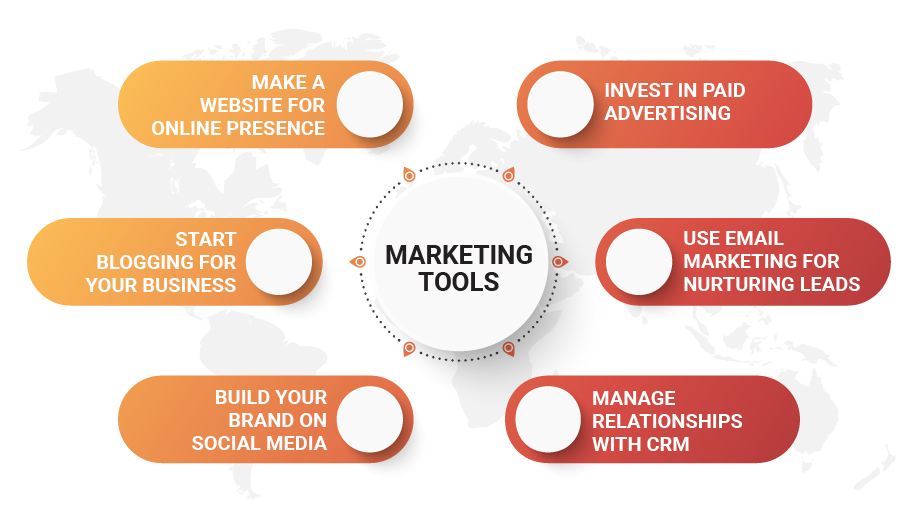
Having a strong online presence is important for small business’ success. With the majority of consumers now searching for products and services online, it’s more important than ever for small businesses to establish a strong online presence. But where do you start? In this blog, we’ll explore the key steps to building a strong online presence for your small business.
Introduction: Why a strong online presence is crucial for Small Businesses?
In today’s digital age, having a strong online presence is crucial for small businesses to stay competitive and grow. With the increasing reliance on the internet for purchasing decisions, a strong online presence can help small businesses reach a wider audience, increase visibility, and engage with customers more effectively. A well-executed online presence can also help small businesses establish credibility and authority in their industry, ultimately leading to increased revenue and business success. In this day and age, not having a strong online presence can put small businesses at a significant disadvantage, making it essential for them to invest in building an online presence to survive in today’s digital marketplace.
Define your Brand and Target Audience
Defining your brand and target audience are essential steps in creating a successful marketing strategy for your business.
Here’s a brief overview of each:
1- Define your brand: Your brand is more than just your logo or product. It’s the overall impression that people have of your business, including your values, mission, personality, and the emotions that your brand evokes. To define your brand, start by identifying what makes your business unique and what you want to be known for. Consider your target audience, the benefits of your product or service, and how you want to communicate with customers. Once you have a clear understanding of your brand, you can develop a branding strategy that reflects your identity and resonates with your target audience.
2- Identify your target audience: Your target audience is the group of people who are most likely to buy your product or service. To identify your target audience, start by considering the demographics (age, gender, income, education) and psychographics (values, attitudes, lifestyles) of your ideal customer. Look at data from your existing customers or conduct market research to gain insights into their preferences and behaviors. Once you have a clear understanding of your target audience, you can tailor your marketing messages and tactics to appeal to their specific needs and interests
Create a professional Website
Creating a professional website is essential for any business looking to establish an online presence and connect with potential customers.
Here are some steps you can follow to create a professional website:
1- Choose a domain name and hosting provider: Your domain name is the web address that people will use to find your website.
2- Determine your website’s purpose and audience: Before you start designing your website, determine its purpose and audience. Who are your target customers? Understanding these things will help you create a website that is relevant and effective.
3- Plan the structure of your website: Plan out the navigation and pages of your website. Consider what content you want to include on each page and how visitors will navigate through your website.
4- Design your website: Choose a website builder or web design software to create your website. There are many options available, ranging from drag-and-drop website builders to more advanced tools.
5- Add content: Create content for your website, including text, images, and videos. Make high quality and relevant content.
6- Optimize your website for search engines: Use search engine optimization (SEO) techniques to improve your website’s visibility on search engines. This includes using relevant keywords of your business, optimizing the structure of website and content, and building backlinks.
7- Test your website: Before launching your website, test it to make sure it is functional and user-friendly.
8- Launch your website: Once you have tested your website, launch it and promote it on social media, email, and other channels.
Leverage Social Media Platforms
Social media has become increasingly important for businesses to connect with their target audience. It provides businesses with an opportunity to leverage their online presence and connect with customers on a personal level.
Here are some ways businesses can leverage social media platforms to increase their online presence and engage with their customers.
1- Create a strategy: Before jumping into social media marketing, businesses should develop a clear strategy that outlines their goals and target audience. This will help them determine the best social media platforms to use, the type of content to create and share, and the frequency of posts.
2- Establish a brand voice: Having a strong brand voice on social media is important to stand out among competitors. The brand voice should align with the company’s values and reflect its personality. Consistency in the brand voice will help establish trust and credibility with the customers.
3- Engage with the audience: Social media is a two-way communication channel. A business should respond to comments, messages, and feedback from the audience promptly. Engaging with the audience helps build a relationship and brand loyalty.
4- Share valuable content: Social media platforms are crowded with millions of posts every hour. Businesses should create content that is valuable, informative, and relevant to the audience. Sharing educational videos, infographics, and behind-the-scenes images can help increase engagement and build brand awareness.
5- Use advertising: Social media advertising can help amplify a business’s reach and targeting. Advertising platforms on social media are highly advanced, allowing businesses to target specific audiences based on demographics, interests, behavior, and more.
6- Analyze data: Analyzing data is essential to understand how a business is performing on social media. The data should be used to adjust the social media strategy to improve engagement, increase reach and conversions. Make sure to track the right metrics like engagement rate, reach, impressions, click-through rate, and conversion rate.
Optimize your online presence for Search Engines
Optimizing your online presence for search engines, also known as search engine optimization (SEO), can help increase visibility and traffic to your website.
Here are some ways to optimize your online presence for search engines:
1- Conduct keyword research: Identify relevant keywords and phrases that your target audience is searching for. Use these keywords in your website content, meta descriptions, and titles to help search engines understand what your website is about.
2- Create high-quality content: Search engines prioritize high-quality, relevant content that provides value to users. Create content that is informative, engaging, and optimized for your target keywords.
3- Optimize website structure: A well-structured website makes it easier for search engines to crawl and index your website. Use header tags, internal linking, and sitemaps to make your website more accessible to search engines.
4- Build high-quality backlinks: Backlinks from reputable websites signal to search engines that your website is authoritative and relevant. Build high-quality backlinks by creating valuable content, guest posting on relevant websites.
5- Use meta descriptions and titles: Meta descriptions and titles are important for both users and search engines. Use relevant keywords and a clear description to entice users to click through to your website.
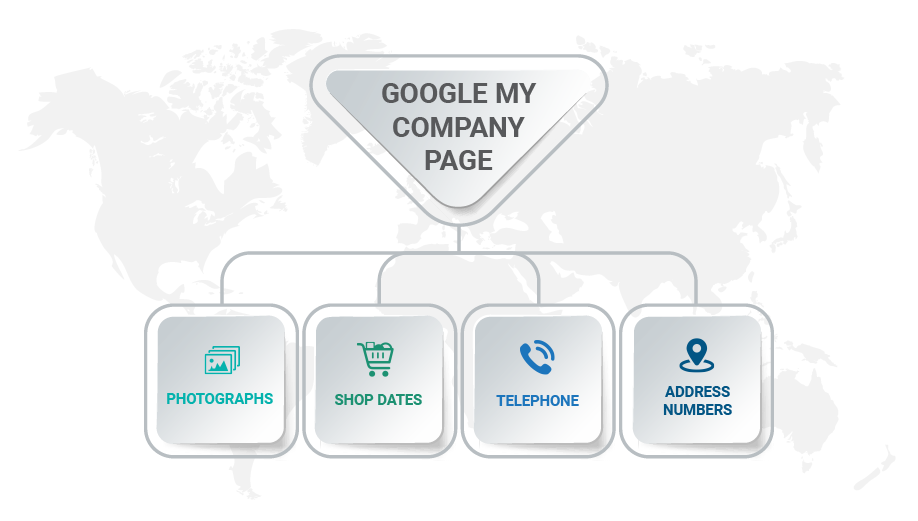
6- Optimize for local search: If your business has a physical location, optimize your online presence for local search by including your address, phone number, and hours of operation on your website and other online directories.
7- Monitor and analyze performance: Monitor your website’s performance using tools such as Google Analytics and Search Console. Use this data to identify areas for improvement and optimize your SEO strategy.
Monitor and measure your Online Presence
Monitoring and measuring your online presence is essential to understand how your business is performing online and to identify areas for improvement.
Here are some ways to monitor and measure your online presence:
1- Set goals and KPIs: Define your goals and key performance indicators (KPIs) to track progress and measure success. Goals and KPIs may include website traffic, social media engagement, lead generation, or sales.
2- Use analytics tools: Use analytics tools such as Google Analytics to track website traffic, behavior, and conversions. Use social media analytics to track engagement, reach, and followers.
3- Monitor online reviews: Monitor online reviews on platforms such as Yelp, Google My Business, or Facebook to track customer satisfaction and address any negative feedback.
4- Monitor mentions: Use tools such as Google Alerts, Mention, or Hootsuite to monitor mentions of your brand or keywords online. This can help you identify opportunities to engage with customers or address any negative comments.
5- Use surveys and feedback forms: Use surveys and feedback forms on your website or social media platforms to gather feedback from customers and improve your products or services.
6- Benchmark against competitors: Monitor your competitors’ online presence and performance to benchmark against industry standards and identify areas for improvement.
7- Regularly review and adjust your strategy: Review your online presence regularly and adjust your strategy based on your goals and KPIs. Continuously improving your online presence will help you stay competitive and achieve your business objectives.
Q- What is a small business’s online presence?
Ans- A small business’s online presence refers to its digital footprint across various online platforms, including its website, social media profiles, online reviews, and search engine rankings.
Q- Why is a strong online presence important for small businesses?
Ans- A strong online presence can help small businesses reach new customers, establish credibility, and differentiate themselves from competitors. It also allows small businesses to engage with their customers and build relationships.
Q- What are the key components of a strong online presence for small businesses?
Ans- A strong online presence for small businesses should include a professional website, active social media presence, search engine optimization (SEO), online reviews, and content marketing strategy.
Q- How can small businesses improve their search engine rankings?
Ans- Small businesses can improve their search engine rankings by using relevant keywords, creating high-quality content, and building quality backlinks. Google My Business is another important tool to improve local search rankings and increase visibility.
Q- How can small businesses measure the success of their online presence?
Ans- Small businesses can measure the success of their online presence by tracking metrics such as website traffic, social media engagement, online reviews, and lead generation. It is important to set goals and key performance indicators (KPIs) to track progress and measure success.