Tag: marketing

  • Sustainable and Ethical Marketing for Business Growth

    In a world grappling with environmental challenges and societal concerns, the role of businesses extends beyond profitability. Sustainable and ethical marketing has emerged as a powerful tool for companies to demonstrate their commitment to responsible practices while building brand loyalty and fostering positive social change.

    This blog delves into the concept of sustainable and ethical marketing, exploring its significance, strategies, and the positive impact it can have on businesses and the world.

    Understanding Sustainable and Ethical Marketing

    Sustainable and ethical marketing goes beyond traditional marketing strategies that focus solely on promoting products and services. It involves aligning marketing efforts with ethical business practices and a commitment to environmental, social, and economic responsibility. This approach considers the long-term impacts of marketing campaigns on people, the planet, and profitability.

    The Significance of Sustainable and Ethical Marketing

    1. Building Trust and Loyalty: 

    Consumers today are more conscious and discerning. They seek out brands that reflect their values and contribute positively to society. Engaging in sustainable and ethical marketing builds trust and loyalty, as customers are more likely to support businesses that demonstrate a genuine commitment to responsible practices.

    2. Enhancing Brand Reputation: 

    A brand’s reputation is no longer solely dependent on the quality of its products or services. Consumers assess a company’s reputation based on its environmental stewardship, treatment of employees, and contributions to the community, Ethical marketing strategies can enhance a brand’s reputation and set it apart in a competitive market.

    3. Addressing Consumer Concerns: 

    Issues such as climate change, social inequality, and fair labor practices are in the minds of consumers. Sustainable and ethical marketing allows businesses to address these concerns proactively, showing consumers that their choices align with responsible values.

    4. Attracting Millennial and Gen Z Consumers: 

    Younger generations prioritize sustainability and ethics in their purchasing decisions. Businesses that adopt transparent and ethical practices are more likely to attract and retain millennial and Gen Z consumers who are known for their preferences for socially responsible brands.

    Strategies for Sustainable and Ethical Marketing

    1. Transparency: 

    Transparency is the cornerstone of ethical marketing. Businesses should openly share information about their supply chain, manufacturing processes, and labor practices. This helps consumers make informed choices and builds credibility.

    2. Cause-Related Marketing: 

    Partnering with charitable organizations or supporting social and environmental causes through marketing campaigns can create a positive impact while resonating with consumers who care about these issues.

    3. Green Marketing: 

    Promoting environmentally friendly products, packaging, and practices can attract eco-conscious consumers. However, green marketing should be authentic and backed by verifiable claims to avoid accusations of “greenwashing.”

    4. Inclusive Advertising: 

    Embrace diversity and inclusivity in advertising campaigns. Representing people from various backgrounds and demographics not only reflects the real world but also resonates with a wider audience.

    5. Educational Content: 

    Create content that educates consumers about sustainable practices, helping them make eco-friendly choices. This positions your brand as a knowledgeable and responsible advocate.

    6. Product Longevity: 

    Encourage product longevity by designing high-quality items that last longer, reducing the cycle of consumerism and waste.

    Positive Impacts of Sustainable and Ethical Marketing

    1. Reduced Environmental Impact: 

    Sustainable marketing encourages businesses to adopt eco-friendly practices, such as minimizing waste, reducing energy consumption, and using renewable resources. This contributes to a healthier planet for current and future generations.

    2. Empowerment of Communities: 

    Ethical marketing involves fair treatment of employees, suppliers, and local communities. This empowers communities economically and socially, leading to more sustainable development.

    3. Behavior Change: 

    Effective ethical marketing campaigns can inspire behavioral change among consumers. By making responsible choices, consumers contribute to positive societal and environmental outcomes.

    4. Competitive Advantage: 

    Companies that embrace sustainable and ethical marketing gain a competitive advantage by positioning themselves as leaders in responsible business practices. This can attract investors, partners, and customers who align with these values.

    5. Long-Term Profitability: 

    Ethical business practices and sustainable marketing may require initial investments, but they often lead to long-term cost savings, operational efficiencies, and increased customer loyalty.

    Conclusion

    Sustainable and ethical marketing transcends traditional marketing approaches by prioritizing responsible business practices, transparency, and societal well-being. It is a transformative force that benefits businesses, consumers, and the planet. 

    By adopting strategies that align marketing efforts with ethical values and sustainable practices, companies can contribute to positive change, build strong brand reputations, and thrive in an evolving business landscape. As the world navigates complex challenges, ethical and sustainable marketing provides a beacon of hope and a path toward a better future for all.

    Frequently Asked Questions (FAQs)

    1. Why is sustainable and ethical marketing important?

    It’s important because it promotes responsible business practices, builds trust with consumers, supports social and environmental causes, and can lead to long-term business success.

    1. How can businesses incorporate sustainability into their marketing strategies?

    Businesses can do this by showcasing their sustainable practices, such as using eco-friendly materials, reducing waste, and supporting ethical sourcing, in their marketing messages.

    1. What are some examples of sustainable marketing practices?

    Examples include promoting recyclable packaging, reducing energy consumption, supporting fair trade practices, and donating to environmental or social causes.

    1. Does sustainable marketing resonate with consumers?

    Yes, many consumers today prefer brands that align with their values, including sustainability and ethics. Authentic sustainable marketing can help build stronger connections with such consumers.

    1. How can businesses measure the impact of their sustainable marketing efforts?

    The impact can be measured through various metrics, including customer surveys, sales data, social media engagement, and sustainability reporting.

    1. What are the challenges businesses may face when adopting sustainable and ethical marketing?

    Challenges may include higher production costs, the need for transparency, and the risk of backlash if sustainability claims are not upheld.
  • 6 way to Sample Marketing to get the most out of your budget

    Are you looking for ways to promote your product or service? Have you considered sample marketing? Sample marketing, also known as product sampling, can be a highly effective way to increase brand awareness, generate trials, and boost sales. In this blog post, we’ll explore the benefits of sample marketing and provide tips for conducting a successful sample marketing campaign on a budget. 

    What exactly is Sample Marketing?

    Sample marketing is a form of direct-to-consumer marketing where a company provides physical samples of their products to promote the items. These samples can range from small items such as business cards, flyers, and even larger products like clothing or food. Sample marketing allows companies to get their product into the hands of their target audience with minimal financial commitment relative to other forms of advertising. It’s also an effective way to measure how customers respond to new products and establish name recognition among potential users. When done correctly it can be a great way to reach out to customers and build relationships with them, which leads to better customer loyalty in the long run.

    Benefits of Sample Marketing

    Here are some benefits of sample marketing:

    1- Increases brand awareness: By distributing free samples of your product, you can increase brand recognition and awareness among potential customers who may not have otherwise heard of your product.

    2- Generates trial: Sampling allows customers to try your product before making a purchase, giving them a chance to experience the product’s quality and benefits firsthand. This increases the likelihood of a customer purchasing your product in the future.

    3- Boosts sales: If customers enjoy your product after trying it, they are more likely to purchase it again, which can lead to increased sales and revenue.

    4- Provides feedback: Sample marketing can also provide valuable feedback from customers, allowing you to identify areas where your product may need improvement.

    5- Builds customer loyalty: Offering free samples can help build customer loyalty by creating a positive experience with your brand. This can lead to repeat purchases and positive word-of-mouth referrals.

    6- Helps with product launch: Sampling can be a powerful tool when launching a new product, as it allows you to create buzz and generate interest among potential customers.

    How to Sample Market on a Budget?

    Sample marketing can be an effective way to promote your products, but it can also be costly if you don’t plan and budget properly. Here are some tips on how to sample market on a budget:

    1- Set a realistic budget: Determine how much you can afford to spend on sample marketing and stick to it. You can use free social media platforms to promote your sample offerings and allocate your budget wisely on shipping or transportation costs.

    2- Identify your target audience: Focus on your target audience and ensure that your samples are reaching the right people who are most likely to become your customers. Narrow your sample audience by considering demographics, interests, and lifestyle factors.

    3- Partner with complementary businesses: Reach out to complementary businesses that have similar target audiences and collaborate on a sampling program. For example, a beauty brand may team up with a salon or spa to distribute samples to clients.

    4- Attend events and fairs: Attend trade shows, fairs, and other events where your target audience is likely to be present. This can provide an opportunity to distribute samples and get your product in the hands of potential customers.

    5- Use in-store sampling: Reach out to retailers and ask if you can conduct in-store selection for your product. This is a low-cost option that allows you to get your product in front of potential customers and generate sales.

    6- Utilize social media: Use social media platforms like Facebook, Instagram, and Twitter to promote your sample offerings. Use relevant hashtags and influencer collaborations to increase brand awareness and reach more potential customers.

    Sample Marketing Strategies

    Modern marketing strategies are essential to the success of any business in today’s market. Sample strategies allow businesses to evaluate their current campaigns and identify what works best and what needs to be updated or discarded.

    1- Direct response marketing: Direct response marketing is an effective way to drive consumer engagement, with an emphasis on tracking results that drive leads and revenue. Through direct mail, email, mobile, telemarketing, and social media, a business can measure open and click-through rates to understand which communication strategies are more successful. Direct response marketing can be used to build a customer list, launch new products, develop relationships with customers, and increase customer satisfaction.

    2- Content marketing: Content marketing is the process of creating high-quality content to attract, engage and retain customers. An effective content marketing strategy focuses on educating consumers by producing valuable information that resonates with their interests and needs. Through blog posts, infographics, social media posts, and videos, businesses can reach wider audiences through content marketing, in addition to providing a recognizable content brand that resonates with their target market.

    3- Social media marketing: Social media marketing involves the use of various networks such as Facebook, Twitter, and LinkedIn to increase brand awareness and reach new customers. This type of marketing allows businesses to target specific markets based on their interests and provides an opportunity to engage directly with potential customers. Through an effective social media strategy, businesses can create relationships with their customers, generate leads and build brand loyalty.

    4- Search engine optimization: SEO (search engine optimization) is the process of optimizing a website to increase its visibility online. Strategies for SEO include keyword research, content optimization, URL optimization, and link building. With an effective SEO campaign, businesses can create visibility and relevance in the search engine rankings, driving more organic traffic to their website.

    5- Affiliate marketing: Affiliate marketing is another effective way to reach new customers. With this type of marketing, a business will partner with another company to promote their products on its behalf. The commission-based method of affiliate marketing creates incentives for businesses to attract customers, as they will earn money for every sale that is generated through their affiliate link.

    Sample marketing strategies allow businesses to test their campaigns, evaluate results and determine which strategies work best for their business model. Through the use of direct response, content, social media, SEO and affiliate marketing, businesses can maximize their reach and create meaningful relationships with their customers.

    Tips for making the most of your Sample Marketing Budget

    By setting specific goals, using high-quality samples, targeting the right audience, partnering with influencers, leveraging technology, and measuring your results, you can make the most of your sample marketing budget and achieve your desired outcomes.

    1- Set specific goals: Before launching your sample marketing campaign, set specific goals and objectives you want to achieve. This will help you determine the most effective sampling strategies for your budget and track your progress.

    2- Use high-quality samples: Use high-quality product samples that accurately represent your brand and product. This can help create a positive first impression and encourage customers to make a purchase.

    3- Target the right audience: Identify and target the right audience for your product to ensure that your samples are reaching potential customers who are most likely to be interested in your product.

    4- Partner with influencers: Partner with influencers who have a strong following in your target audience to help promote your samples. Influencer collaborations can help increase brand awareness, generate interest, and drive sales.

    5- Leverage technology: Use technology to streamline your sample marketing efforts and maximize your budget. For example, using digital sampling tools can help you distribute samples more efficiently and reduce costs associated with packaging and shipping.

    6- Measure your results: Measure the success of your sample marketing campaign by tracking metrics such as sales, website traffic, and social media engagement. This can help you identify areas for improvement and adjust your strategy for future campaigns.


    Q- What is sample marketing?

    Ans- Sample marketing is a form of direct-to-consumer marketing where a company provides physical samples of its products to promote the items.

    Q- What is the other name for sample marketing?

    Ans- Sample marketing is also known as “product sampling”.

    Q- How does sample marketing affect sales?

    Ans- By offering samples of products and services, companies can create a powerful sense of anticipation and curiosity in potential customers, which often leads to higher sales figures.

    Q- Why is sampling important for business?

    Ans- Sampling allows businesses to understand their target markets better, by helping them to figure out what the real needs and wants of their customers are.

    Q- What are some famous sample marketing strategies?

    Ans- Content marketing, social media marketing, SEO, affiliate marketing, etc. are some famous strategies of sample marketing.

  • Dominate Your Competition with Performance Marketing

    Performance marketing is a highly effective digital marketing strategy that focuses on driving measurable results for businesses. By leveraging a range of digital channels and tactics, performance marketers can target and engage audiences. In this blog, we will explore the key components of performance marketing, including the benefits, strategies, and metrics that businesses should consider when implementing this approach. 

    What is Performance Marketing? 

    Performance marketing is a form of advertising in the digital space that rewards performance-based outcomes. Performance marketing is a type of digital marketing strategy that focuses on driving specific actions or measurable results, such as clicks, leads, sales, or conversions. Performance marketers deploy campaigns to drive direct leads and sales and often track this performance via affiliate marketing networks, who get rewarded with a commission when their efforts lead to sales. As such, it can be an incredibly powerful way to get high returns from your marketing budget.

    Benefits of Performance Marketing

    Some benefits of performance marketing include:

    1- Measurable results: One of the main benefits of performance marketing is that it provides measurable results. Since performance marketing campaigns are designed to drive specific actions or outcomes, you can easily track and measure the success of your campaigns.

    2- Cost-effective: Performance marketing campaigns are typically cost-effective since you only pay for the actions or results that are generated by your campaigns. This means that you don’t have to spend money on ads that don’t generate any value for your business.

    3- Targeted advertising: Performance marketing campaigns allow you to target specific audiences and demographics, which can help you reach the right people with the right message at the right time. This can lead to higher conversion rates and better ROI.

    4- Flexibility: Performance marketing campaigns are highly flexible and can be adjusted in real-time based on the results and data you collect. This allows you to optimize your campaigns for better performance and higher ROI.

    5- Better control: Performance marketing campaigns give you better control over your advertising spend and allow you to adjust your campaigns based on your budget and business goals. This can help you maximize your ROI and achieve your marketing objectives more efficiently.

    6- Stronger partnerships: Since performance marketing campaigns are based on a pay-for-performance model, it encourages strong partnerships between advertisers and publishers. Advertisers benefit from publishers who can generate high-quality leads or sales, while publishers benefit from advertisers who can offer attractive incentives and commissions.

    How Performance Marketing helps you outpace your competitors 

    Performance marketing can help you outpace your competitors by enabling you to target the right audience, make data-driven decisions, optimize your budget, and be more flexible and responsive to changes in the market.

    Here are some ways that performance marketing can help you outpace your competitors:

    1- Targeted Advertising: Performance marketing allows you to target specific audiences based on their demographics, interests, and behavior. By reaching the right people with the right message, you can increase your chances of conversion and outpace your competitors who may be using less targeted advertising methods.

    2- Data-Driven Decision Making: Performance marketing provides detailed data on the performance of your ads, allowing you to make data-driven decisions about your marketing strategy. By analyzing metrics such as click-through rates, conversion rates, and cost-per-action, you can optimize your campaigns for maximum effectiveness and outpace competitors who may be relying on intuition or guesswork.

    3- Cost Efficiency: Performance marketing allows you to only pay for the desired action, such as a click or a lead, which means you can optimize your budget for maximum efficiency. By minimizing wasteful spending on ineffective advertising, you can allocate your resources more effectively and outpace competitors who may be spending more on less effective advertising.

    4- Flexibility: Performance marketing allows you to adjust your campaigns in real-time based on performance data, which means you can quickly adapt to changing market conditions or competitor activity. By being more nimble and responsive than your competitors, you can stay ahead of the curve and outpace those who are slower to react.

    Strategies for using Performance Marketing to outpace your competitors 

    Performance marketingHere are some strategies for using performance marketing to outpace your competitors:
    1- Set clear goals: Define what you want to achieve with your performance marketing campaigns. Identify the key performance indicators (KPIs) that you will track to measure success.

    2- Analyze your competition: Conduct a competitive analysis to identify what your competitors are doing in terms of performance marketing. Identify their strengths and weaknesses and determine where you can gain an advantage.

    3- Identify your target audience: Know your target audience and understand their needs and preferences. Develop a buyer persona that represents your ideal customer and tailor your performance marketing campaigns accordingly.

    4- Choose the right partners: Select the right publishers, affiliates, or vendors who have the right audience and can deliver the results you are looking for. Make sure they are a good fit for your brand and align with your goals.

    5- Optimize your campaigns: Continuously test and optimize your campaigns to improve performance. Analyze the data to identify what is working and what is not, and make adjustments accordingly.

    6- Use retargeting: Use retargeting to reach customers who have already shown an interest in your products or services. This can help you increase conversions and maximize your ROI.

    7- Leverage social media: Use social media to reach a wider audience and engage with your customers. Leverage social media influencers and user-generated content to increase brand awareness and drive sales.

    8- Monitor your results: Monitor your results closely and adjust your strategies as needed. Use analytics tools to track your KPIs and make data-driven decisions.

    Tips for maximizing the benefits of Performance Marketing

    1- Set Clear Goals: Set clear and specific goals for your campaign. Define your key performance indicators (KPIs) such as conversion rate, click-through rate, or revenue generated. This will help you measure the success of your campaign accurately.

    2- Track Your Results: Tracking the results of your campaign is essential for measuring its success. Use analytics tools to track your KPIs and make data-driven decisions to optimize your campaign.

    3- Optimize Your Campaign: Use the data from your analytics tools to optimize your campaign continually. Adjust your messaging, targeting, and other campaign elements to improve your KPIs and achieve your goals.

    4- Test Different Strategies: Testing different strategies is essential for maximizing the benefits of performance marketing. Try different ad formats, copy, and targeting to see what works best for your campaign.

    5- Use Retargeting: Retargeting is an effective way to reach users who have already shown interest in your product or service. Use retargeting campaigns to show ads to users who have previously visited your website or engaged with your brand.

    6- Focus on Your Audience: Focus on your target audience and create campaigns that are tailored to their needs and interests. This will help you connect with your audience and increase the effectiveness of your campaign.

    7- Collaborate with Influencers: Collaborating with influencers is a great way to reach new audiences and increase brand awareness. Identify influencers who align with your brand values and work with them to create engaging content.

    By following these tips, you can maximize the benefits of performance marketing and achieve your marketing goals.

    Conclusion

    Performance marketing has become an increasingly popular strategy for businesses looking to drive growth and revenue. By focusing on specific, measurable outcomes such as clicks, conversions, or sales, performance marketing campaigns offer a level of accountability and ROI that other marketing approaches may lack.

    Through the use of various tactics such as search engine marketing, affiliate marketing, and social media advertising, performance marketing can help businesses reach their target audience with precision and efficiency. Performance marketing can help businesses to continuously refine their campaigns through real-time data analysis and optimization.

    However, success with performance marketing requires careful planning, execution, and monitoring. It’s essential to define clear goals, identify the right metrics to measure success, and continually test and optimize campaigns to achieve the best results. Moreover, as with any marketing strategy, businesses must ensure that their performance marketing campaigns align with their brand values and messaging.

    Performance marketing can be a powerful tool for businesses looking to drive results and maximize their marketing spend. By focusing on tangible outcomes and continually refining campaigns based on data, performance marketing can help businesses reach their target audience and drive revenue growth.


    Q- What is performance marketing?

    Ans- Performance marketing is a type of digital marketing strategy that focuses on driving specific actions or measurable results, such as clicks, leads, sales, or conversions. 

    Q- Does performance marketing allow you to adjust your campaigns?

    Ans- Performance marketing allows you to adjust your campaigns in real-time based on performance data, which means you can quickly adapt to changing market conditions or competitor activity.

    Q- What is the main purpose of performance marketing?

    Ans- The main purpose of performance marketing is to bring in new customers through targeted campaigns that offer rewards, discounts, or other incentives for dollars spent.

    Q- What are the main ingredients of performance marketing?

    Ans- The main ingredients of performance marketing are: understanding customer requirements; leveraging customer insights; optimizing customer journeys; testing new channels; setting meaningful KPIs & metrics; measuring ROI and more.

    Q- What does performance marketing include?

    Ans- Performance marketing includes search engine optimization (SEO) and search engine marketing (SEM), affiliate relationships, content advertising partnerships, pay-per-click ads (PPC), and social media strategies.

    Q- Why is performance marketing important?

    Ans- Performance marketing is a great way for businesses to ensure they’re always learning and improving how they reach their target audience, helping them stay ahead of the game in today’s ever-changing digital landscape.

  • The Best Marketing Strategies Every Small Business Should Use

    [vc_row][vc_column][vc_column_text css=””]

    Best Marketing Strategies for Small Businesses 

    Are you a small business owner? 

    Or want to start a business?

    A robust digital presence is crucial for branding, and it can give your business a lot of benefits in various forms. 

    Every small or medium business owner like you is looking for brand awareness and ways to track ROI.

    If your knowledge about digital marketing is a little less, some words might be challenging to understand. But don’t worry, I will help you with every step and strategy in a very easy-to-understand language.

    So, here are the best marketing strategies for small businesses that will help your business grow.

    TARGET AUDIENCE

    Knowing your target is crucial. Most people think everyone is a customer, but it is not true; you have to define your audience persona.

    There is a famous quote that “riches are in the niches,” this is for a reason. You have to understand the problems and pains your target audience has.

    Developing a marketing strategy according to them will help you better than randomly targeting customers.

    ADD EXTRA VALUE

    If you and your competition are offering the same product and services and no difference between you and your competition, there is no reason for customers to buy from you. 

    You have to give your target audience a better value to move to you instead of your competitors. You have to find your strong points, and conveying this makes a compelling argument.

    MAKE SHORT-TERM GOALS

    If you are starting your business and setting long-term goals, then you might think once more. Setting goals is significant but setting realistic goals is essential.

    You should set small, realistic goals and then work hard to achieve them. If you complete one or two smaller goals, then it will boost your confidence and motivate you towards your business.

    EXPERIMENT & UNDERSTAND THE EXISTING CUSTOMERS

    After starting a business, experiment with a few things and evaluate the data carefully. The information is very crucial for your future growth.

    The data will tell you which things are working and what you should avoid in the future. Doing such little experiments to collect data will help you a lot.

    Your existing customers can help you a lot, and you have to spend five times more cost and time to acquire a new customer.

    You have to identify the opportunities for repeat cross-selling, and up-selling.

    It will be easier to convince your existing customer because he already made a purchase and trusts you.

    THE PROMOTION

    There is nothing like free; if someone offers you something free, it is not accessible, maybe he/she is genuine, but you have to spend your time and energy; it is not entirely free.

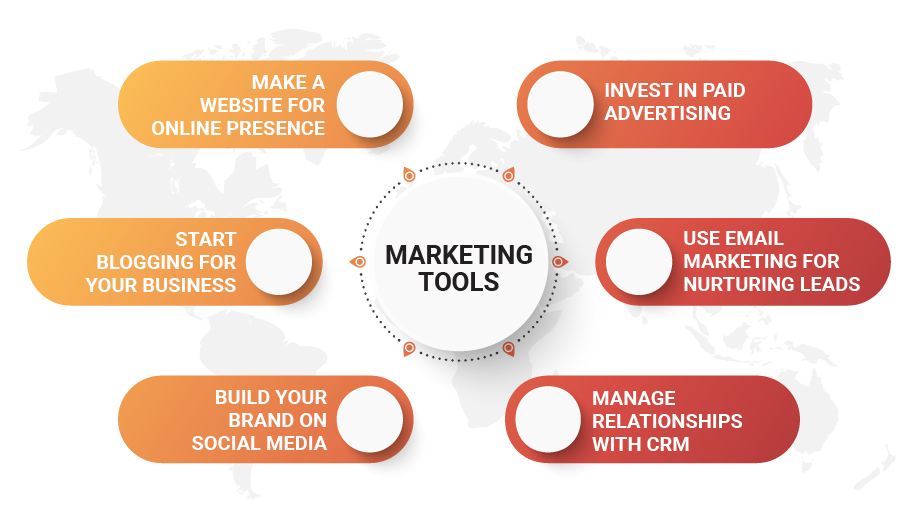
    You can use free marketing tools that help you to grow in several ways. For example,

    • Make a website and build an online presence
    • Start blogging for your business
    • Build your brand on social media
    • Invest in paid advertising
    • Use email marketing for nurturing leads
    • Manage relationships with CRM

    It is all about the best marketing strategies for small businesses, and here I shared some of the best short business marketing strategies. 

    Share the marketing strategies that you used to grow your business and share your feedback with us.

    Thanks all.

    THE-PROMOTION
    If you are looking for the Best Digital Marketing Agency for your Business please contact Bliss Marcom.
    Office Address in Noida.

    FAQs

    [/vc_column_text][/vc_column][/vc_row][vc_row][vc_column][vc_toggle title=”What is the most effective marketing strategy for small businesses?” css=””]There’s no one-size-fits-all, but combining social media, Google My Business, and content marketing usually gives great results.[/vc_toggle][vc_toggle title=”Is digital marketing better than traditional marketing for small businesses?” css=””]Digital marketing is often more affordable and trackable, but local offline methods like flyers and word-of-mouth still work well too.[/vc_toggle][vc_toggle title=”How much should a small business spend on marketing?” css=””]A good rule of thumb is 5–10% of your revenue, but even a small budget can go far with smart planning.[/vc_toggle][vc_toggle title=”Can I market my small business without a website?” css=””]You can start with social media and Google Business, but having a website builds trust and gives your business a home online.[/vc_toggle][vc_toggle title=”How do I know if my marketing is working?” css=””]Track things like website visits, social media engagement, and leads. Free tools like Google Analytics can help you measure results.[/vc_toggle][/vc_column][/vc_row]