Tag: #E-commerce

  • Choosing the Right E-commerce Platform for Your Business

    In the world of e-commerce, selecting the right platform for your online business is crucial for success. The choice of an e-commerce platform impacts various aspects of your operations, including website functionality, scalability, payment gateways, inventory management, and marketing capabilities. This article aims to guide you through the process of selecting the ideal e-commerce platform for your business. We will discuss key considerations, explore popular platforms, and provide insights to help you make an informed decision that aligns with your business goals.


    Understanding Your Business Requirements:


    Before diving into the plethora of e-commerce platforms available, it is essential to understand your business requirements. Start by identifying the nature of your products, your target market, and your long-term goals. Consider factors such as the size of your product catalog, the need for customization, the level of scalability required, and any specific industry regulations or compliance standards.


    Evaluate the following aspects:


    1. Product Catalog and Inventory Management: 

    Determine the size and complexity of your product catalog and whether you require advanced inventory management features.


    2. Scalability and Growth Potential: 

    Consider your growth projections and ensure that the platform can handle increasing traffic and sales volumes without compromising performance.


    3. Payment Gateways and Integration: 

    Assess the availability of payment gateways and check if the platform integrates smoothly with your preferred payment providers.


    4. Design and Customization: 

    Evaluate the platform’s design flexibility and customization options to create a visually appealing and unique online store.


    5. Marketing and SEO Capabilities: 

    Look for features such as built-in SEO tools, content management systems, and integrations with marketing automation software to enhance your digital marketing.


    6. Customer Support and Security: 

    Consider the level of customer support offered by the platform provider, as well as the security measures in place to protect customer data.


    Exploring Popular E-commerce Platforms:


    1. Shopify: 

    Known for its user-friendly interface and extensive app store. Shopify is a popular choice for businesses of all sizes. It offers a wide range of themes, customizable design options, and seamless integration with various payment gateways. Shopify provides comprehensive support and is suitable for both beginners and established businesses.


    2. WooCommerce: 

    As a plugin for WordPress, WooCommerce is highly flexible and customizable. It is ideal for businesses already using WordPress as their Content Management System (CMS). WooCommerce offers a vast array of plugins and themes, making it easy to build and scale an e-commerce store.


    3. Magneto: 

    Known for its scalability and robust features, Magneto is suitable for large-scale enterprises. It provides advanced customization options, powerful SEO capabilities, and comprehensive inventory management features. However, Magneto requires technical expertise and is best suited for businesses with dedicated development resources.


    4. BigCommerce:

    With a focus on scalability and performance, BigCommerce offers a comprehensive set of features, including built-in SEO tools, responsive themes, and multi-channel selling capabilities. It is suitable for businesses aiming to grow rapidly and expand their reach across multiple sales channels.


    5. Squarespace: 

    Squarespace is a user-friendly platform known for its stunning design templates and ease of use. It offers a simple yet powerful e-commerce solution with features such as integrated blogging, email marketing, and social media integration. Squarespace is an excellent choice for small to medium-sized businesses seeking a visually appealing online presence.


    Making the Final Decision and Implementation:


    Once you have evaluated your business requirements and explored different e-commerce platforms, it’s time to make a decision. Consider factors such as cost, ease of use, scalability, and support. Choose a platform that aligns with your budget and offers the necessary features and functionalities to meet your present and future needs.


    Before implementing the chosen platform, take the following steps:


    1. Set up the development environment: 

    Create a test environment to explore the platform’s features and functionalities without affecting your live website.


    2. Migrate your data: 

    If you have an existing e-commerce store, plan the migration process carefully to ensure a smooth transition of data, including products, customer information, and order history.


    3. Customize and Optimize: 

    Tailor the chosen platform to match your brand identity and optimize the user experience. This includes customizing themes, configuring payment gateways, and setting up SEO-friendly URLs and metadata.


    4. Test thoroughly: 

    Perform comprehensive testing across different devices and browsers to ensure your online store is functioning seamlessly and providing an optimal user experience.


    5. Launch and Monitor: 

    Once everything is set up, launch your e-commerce store and closely monitor its performance. Continuously analyze metrics, user behavior, and sales data to identify areas for improvement and implement necessary optimizations.


    Conclusion:


    Choosing the right e-commerce platform is a critical decision that can significantly impact your online business’s success. By understanding your business requirements, exploring popular platforms, and considering factors such as scalability, customization, and support, you can make informed decisions. 


    Remember to evaluate platforms like Shopify, WooCommerce, Magneto, BigCommerce, and Squarespace based on your specific needs. Selecting the right platform and implementing it will lay the foundation for a successful and thriving e-commerce business. 


    Frequently Asked Questions (FAQs)


    1. How do I determine my budget for an e-commerce platform?

    Consider not only the initial setup costs but also ongoing fees for hosting, transaction fees, and any additional extensions or plugins you may need.


    1. Do I need to consider security for my e-commerce platform?

    Yes, security is very important. Ensure the platform offers SSL encryption, regular security updates, and PCI compliance if you handle credit card data.


    1. What are the ongoing maintenance requirements for an e-commerce platform?

    Regular updates, security checks, and backups are necessary. Ensure you have a plan for ongoing maintenance.


    1. Is it essential to test the platform before committing?

    Yes. Take advantage of free trials or demos to ensure the platform meets your needs and is user-friendly.


    1. Are there any restrictions on the types of products I can sell?

    Some platforms have restrictions on certain product categories, so make sure your products are allowed.

    If you are looking for the Best E-commerce Marketing Agency for your Business please contact Bliss Marcom.
    Office Address in Noida.
  • E-commerce Marketing Strategies to Drive Online Sales

    E-commerce has become an integral part of the retail industry. With the convenience of online shopping and the ever-expanding customer base on the Internet, businesses are continuously seeking effective marketing strategies to drive online sales and stay ahead of the competition. 


    In this blog, we will explore essential marketing strategies that can help businesses boost their online sales and thrive in the digital marketplace.


    Optimize Your E-commerce Website:


    A well-optimized e-commerce website forms the cornerstone of successful online sales. It is crucial to ensure that your website is user-friendly, visually appealing, and mobile-responsive. A clutter-free design with intuitive navigation will enhance the user experience and encourage visitors to explore your products.


    Moreover, prioritize website speed and performance, as slow-loading pages can lead to high bounce rates. Implement a secure and streamlined checkout process to reduce cart abandonment rates and instill confidence in customers when making transactions.


    Search Engine Optimization (SEO)


    SEO plays a pivotal role in driving organic traffic to your e-commerce marketing website. Conduct keyword research to identify relevant search terms that your target audience uses to find products similar to yours. Integrate these keywords strategically into your product descriptions, meta tags, and headings to improve your website’s search engine ranking.


    Regularly update your website with fresh, high-quality content, such as blog posts and product reviews, to enhance its authority and visibility in search engines. Additionally, focus on building backlinks from reputable websites to further boost your search rankings and drive more organic traffic.


    Leverage Social Media Marketing


    Social media platforms have become powerful marketing tools for e-commerce businesses. Identify the social media channels where your target audience is most active and create a strong presence on those platforms. Engage with your followers by responding to comments, addressing queries, and sharing valuable content.


    Invest in visually appealing and compelling visuals to showcase your products effectively. Social media influencers can also play a crucial role in promoting your products to their followers, amplifying your brand’s reach, and increasing online sales.


    Implement Email Marketing Campaigns


    Email marketing remains one of the most effective ways to nurture leads and convert them into loyal customers. Build an email subscriber list by offering incentives such as discounts or exclusive content in exchange for email sign-ups.


    Personalize your email campaigns based on customer preferences and past purchase behavior to deliver targeted and relevant content.


    Segment your email list to send tailored offers and recommendations to different customer segments. Regularly send newsletters, product updates, and special promotions to keep your audience engaged and encourage repeat purchases.


    Offer Discounts, Deals, and Promotions


    Everyone loves a good deal, and offering discounts and promotions can be a powerful driver of online sales. Rum limited-time offers, flash sales, and holiday discounts create a sense of urgency among shoppers. 


    Display these promotions prominently on your website and promote them through various marketing channels, including email and social media.


    Consider implementing loyalty programs to reward repeat customers and incentivize them to make more purchases. Special offers for referrals can also help expand your customer base through word-of-mouth marketing.


    Invest in Influencer Marketing 


    Influencer marketing has become a popular strategy for e-commerce businesses looking to expand their reach and credibility. Collaborate with influencers who align with your brand and have a substantial following in your niche. 


    These influencers can create engaging content featuring your products, providing authentic recommendations that resonate with their audience.


    Before partnering with influencers, conduct thorough research to ensure their authenticity and engagement levels. Micro-influencers, who have a smaller but highly engaged following, can often be more effective and cost-efficient for certain nice markets.


    Implement Retargeting Campaigns


    Retargeting, also known as remarketing, is an effective way to re-engage potential customers who have previously visited your website but didn’t complete a purchase. 


    By placing cookies on their browsers, you can show targeted ads to these prospects as they browse other websites, reminding them of your products and encouraging them to return to your site.


    Retargeting can significantly improve conversion rates by keeping your brand top-of-mind and providing gentle nudges to complete the purchase.


    User-Generated Content (UGC)


    Leverage the power of user-generated content to build trust and credibility. Encourage customers to share their experiences with your products by leaving reviews, and testimonials, or sharing photos and videos on social media. UGC serves as social proof, showing potential buyers that real people are enjoying and benefitting from your products.


    Highlight user-generated content on your website and social media channels to showcase the positive experiences of your customers. This approach fosters a sense of community around your brand and helps build lasting relationships with customers.


    Implement Live Chat Support


    Excellent customer service is essential for e-commerce success. Implement live chat support on your website to provide instant assistance to visitors who have questions or concerns. Prompt and helpful responses can lead to higher conversion rates and customer satisfaction.


    Additionally, consider providing multiple contact options, such as email and phone support, to cater to different customer preferences.


    Monitor and Analyze Performance


    Continuously monitor the performance of your e-commerce marketing strategies and make data-driven decisions. Utilize web analytics tools to track website traffic, conversion rates, and other key performance indicators (KPIs). Analyze customer behavior to identify patterns and preferences that can inform your marketing approach.


    Regularly A/B tests different elements of your marketing campaigns, such as email subject lines, ad copy, and website design, to optimize for better results. Stay adaptable and willing to experiment with new strategies based on the insights gained from performance analysis.


    Conclusion


    In the fiercely competitive world of e-commerce, implementing effective marketing strategies is crucial for driving online sales and achieving success. By optimizing your website, leveraging SEO, utilizing social media marketing, and implementing email campaigns, you can attract and retain customers. 


    Discounts, influencer marketing, retargeting, and user-generated content can further bolster your brand’s appeal and credibility. Regularly monitor and analyze performance to refine your strategies and stay ahead in the dynamic e-commerce landscape.


     By adopting these well-rounded e-commerce marketing strategies, businesses can attract, engage, and convert customers, ultimately leading to increased online sales and sustainable growth. 

    If you are looking for the Best E-commerce Marketing Agency for your Business please contact Bliss Marcom.
    Office Address in Noida.
  • Tweak your E commerce SEO With the Help of the Best SEO Service Providers in Delhi NCR.

    Introduction

    Since the Corona Pandemic has passed, people have realized the value of Internet business. They have understood that they must participate in the race to stay in business. And the journey of that race starts with creating an E-Commerce site for your business. When it comes to E-commerce business, SEO is essential.

    This information will give you the best benefits if you are a beginner and have yet to try your hand at the internet business. 

    What is an E-Commerce Business and Types of E-commerce Business?

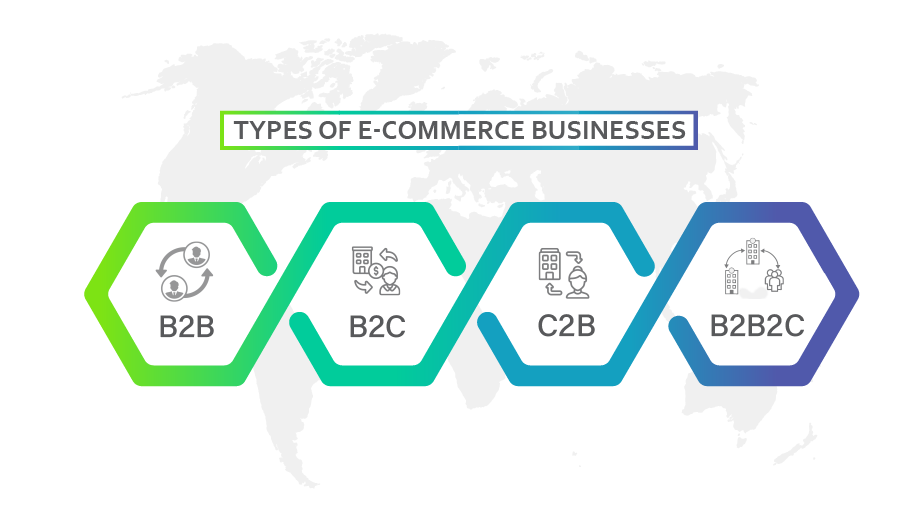
    An E-Commerce Business refers to a business method that uses the internet as a medium to buy and sell things. Now, on the internet, you can sell and buy anything you want if it has some potential. For example, you can sell clothes, household items, different products, services, technology, tutorial, affiliating services, and anything. If you believe it, 71% of small businesses have an online presence. And they have grown by 50%. Their many types of E-commerce businesses, for example- B2B, B2C, B2B2C, C2B, etc.

    How To Start an E-Commerce Business?

    Starting an E-Commerce Business is a challenging task. On the other hand, if you already have your business and want to expand, it is easier to start.

    • Find a Product you want to sell.
    • Identify the demand for the product and finalize your audience.
    • Now search for the competitors.
    • Draw the plan for your business.
    • Find a local service provider. For example, if you live in Delhi, search for the best SEO Service provider in Delhi NCR.
    • Communicate with them, and share your idea and needs.
    • Name your business and create your website.

    Now focus on your business because the SEO service provider will share the rest. 

    What is an SEO Service Provider?

    SEO stands for Search Engine Optimizer. And an SEO Company creates a partnership with you and helps you to boost your business by increasing your site’s visibility in the search engines. The method will help you to increase traffic for your website and leads for your business. These types of agencies perform multiple tasks related to SEO and help you to use SEO effectively to grow your business. 

    How SEO Works?

    In simple words, SEO is a method that allows search engines to provide the information that users are looking for. For example, if you search “what is SEO?” the search engine will take you to some website that provides information regarding SEO. Again, suppose you are searching for the best winter clothes, and then the search engine will show you all the websites that sell winter clothes online. An SEO service agency helps you with the technique and the SEO process. That means when your target audience searches for the product you sell, the search engine will show your website and others. The process is very beneficial for increasing traffic and generating leads.

    What is the Relationship Between E-Commerce and SEO?

    When you start your online business, you need more website traffic and potential product leads. Now SEO for E-commerce Websites helps you get more traffic and leads without cost.

    The technology makes your product more visible to your target audience. But the process will only work if you correctly do that and achieve the highest ranking than your competitors. And an SEO service provider will practice all the necessary steps to get your website to the highest rank.

    How can SEO bring traffic to your eCommerce Website?


    For an E-commerce company, SEO is one of the most profitable investments. Best SEO Company identifies and applies some of the best methods so that your website can appear on the top of the Search Engine Results Page. Here is how they work.

    How can SEO bring traffic to your eCommerce Website

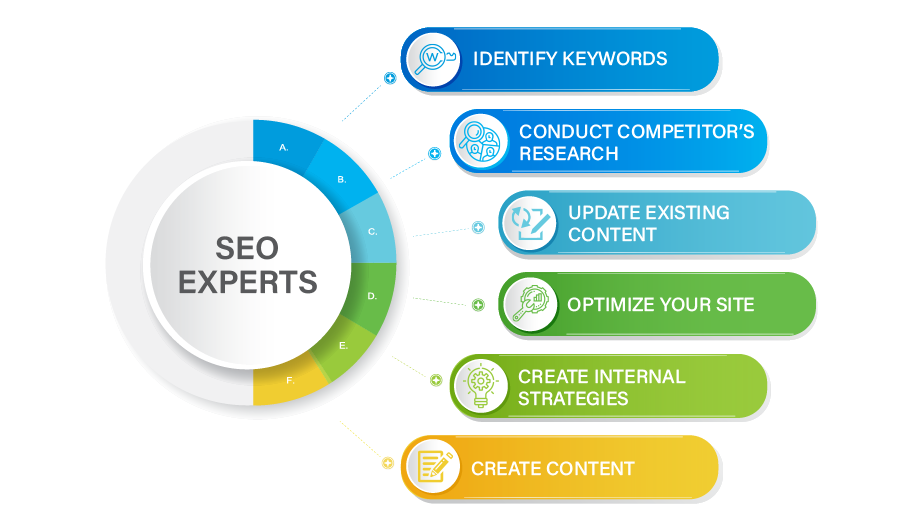
    First, SEO experts identify keywords with high purchase intent and attract high-authority websites. They also identify at least ten organic keywords to generate leads.

    Second, they conduct your competitor’s research and update existing content. They also optimize your site and future snippet and create proper internal strategies. They also create content related to your product that ranks on the Search Engine Results Page.

    Why an SEO agency is the best option to rank on the top of the SERP with transactional keywords?

    According to a study, a SERP result generates 33% of traffic for an e-commerce site. And to be on that top, you need an expert to draw a perfect strategy for your site. Now, an SEO agency creates the best strategy for your website. And here are the factors they focus on

    • Improves your website quality so that it runs fast.
    • It helps you to identify high-quality content.
    • Optimize the link for search engines and mobile devices.
    • Take care of the format of the page.
    • It helps you to share your content on social media.
    • Identify the best keyword that relates to your product yet performs well on the search engine.

    Tips to Choose the Best SEO Company in Delhi


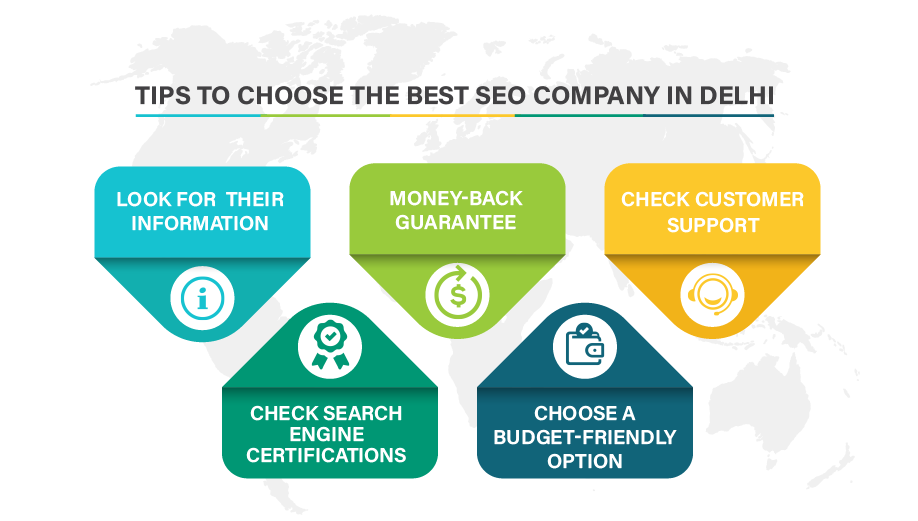
    By now, you already understand the necessity of an SEO Agency. Their presence is necessary for new startups, e-commerce platforms, and small businesses. But another thing is also necessary here: choosing the right SEO service provider. Here are some tips you can use to choose the best SEO service provider for your E-commerce business.

    Best SEO Company in Delhi NCR


    • Look for the Information


    Once you have done your basic research and homework, look for the information regarding the SEO service providers. Read their history, reviews, the information provided on the website, design quality, and their approach to clients.


    • Money-Back Guarantee


    Money-back guarantee may seem like a business strategy, but it is not. When a company feels confident about its service, they provide a money-back guarantee. The policy says they will return all your money if you are unsatisfied with their service.


    • Check the Search Engine Certifications


    Every legit SEO service provider must have Search Engine Certification. Search engines issue it. For example, if your chosen service providers work with Google, then it is one of Google’s partners.


    • Check the Customer Support


    We enlisted the point in the last, but it should be on the top. After starting your online business, you will face many circumstances. Make sure your chosen company provides good customer support or 24/7 support. Customer support will help you to resolve all your upcoming problems.


    • Go for a Budget-Friendly Option


    This one is highly crucial. Because meager costs can affect your business and put you at multiple risks, on the other hand, high costs can shake your budget. So, make sure you choose the one that will not cost you more yet cover all the necessary services.

    conclusion

    For your E-Commerce website, SEO is essential. And to use the SEO Strategy, you need experts who are masters in SEO strategies. But at the same time, you will also need a trustworthy agency to give you the best benefits. Here, we have shared tips to identify the best SEO Company. But if you are unsure about the process, you can choose from the three websites we have included.
    If you are looking for the Best Digital Marketing Agency for your Business please contact Bliss Marcom.
    Office Address in Noida.