Tag: Digital Marketing

  • The Art of Creating Viral Videos: What Makes People Share Your Content?

    In the digital age, the term “viral” has taken on a whole new meaning. A viral video has the power to captivate, engage, and spread like wildfire across the internet, reaching millions of viewers in a matter of hours. But what exactly makes a video go viral? Is it luck, timing, or something else entirely? In this blog, we delve into the art of creating viral videos and uncover the elements that make people share your content.


    Emotion: The Catalyst for Sharing


    Emotions have a remarkable ability to connect people on a deeply human level. Whether it’s a burst of laughter, surprise, awe, or empathy, evoking strong emotions is a key factor in creating content that resonates. A heart-warming story, a hilarious prank, or a touching gesture can trigger an emotional response that compels viewers to hit the “share” button.


    Relatability and Relevance


    Viral videos often tap into relatable experiences and timely topics. When viewers see themselves or their own experiences reflected in a video, they are more likely to share it with their friends and followers. Timeless also plays a significant role. Creating content that aligns with current events, trends, or seasons can make your video more relevant and shareable.


    Storytelling that Sparks Curiosity


    Humans are natural storytellers and story consumers. A well-crafted narrative can keep viewers engaged from start to finish. However, the key is to create a story that leaves the audience curious, and wanting to know more. Cliffhangers, unexpected twists, and open-ended questions can all contribute to the curiosity that drives viewers to share the video in search of answers.


    Uniqueness and Originality


    Standing out in a sea of content requires a unique perspective. Viral videos often break the mold by presenting something fresh and original. Whether it’s a new take on a familiar concept or a completely novel idea, uniqueness grabs attention. Strive to create content that surprises, challenges, or intrigues your audience.


    Humor: The Universal Language


    Laughter is a universal language that transcends cultural boundaries. Humorous content has a higher likelihood of being shared because it brings joy and lightens the viewer’s day. Clever wordplay, witty commentary, and situational comedy can all contribute to a video’s shareability. However, humor can be subjective, so it’s important to understand your target audience’s preferences.


    Visual Appeal and Quality 


    In a visually-driven landscape, aesthetics matter. High-quality production values and visually pleasing elements can make a video more share-worthy. Crisp visuals, captivating animations, and skilled editing can elevate the overall viewing experience and make viewers more inclined to share content they’re proud to associate with.


    Encouraging User Participation


    Interactive content that invites user participation can boost engagement and sharing. Challenges, contests, polls, and quizzes are all effective ways to involve viewers in the video experience. When people participate and contribute, they’re more likely to share the video to encourage their peers to join in as well.


    Influencers and Cross-Promotion


    Leveraging the power of influencers and cross-promotion can exponentially increase the reach of your video. Collaborating with influencers who align with your content and brand can introduce your video to a wider audience. Similarly, cross-promotion with other content creators or brands can help you tap into new communities and networks.


    Short and Sweet: Attention Span Matters


    In an era of shortened attention spans, the length of your video matters. While there’s no strict rule, concise videos tend to fare better. Aim to deliver your message succinctly, keeping viewers engaged throughout. If the video provides value within a short time frame, viewers are more likely to share it with their followers.


    The Power of Shareability


    Creating a viral video isn’t just about creating great content; it’s also about designing content with shareability in mind. By integrating these key elements – emotion, relatability, storytelling, uniqueness, humor, visual appeal, user participation, influencers, and attention to video length – you can increase the likelihood of your video resonating with audiences and sparking the desire to share.


    Remember, while there’s no guaranteed formula for virality, understanding these factors and applying them creatively can significantly enhance your chances of creating content that resonates, captivates, and spreads like wildfire across the digital landscape. So, the next time you embark on a video creation journey, keep the art of creating viral videos in mind and watch your content soar to new heights of success.


    In conclusion, creating a viral video is both an art and a science. While there are no guarantees in the digital field, by mastering the art of creating viral videos, you can significantly enhance your chances of capturing the attention of a vast and engaged online audience. So, go forth, tell your story, and let the digital world share it with the world.


    Frequently Asked Questions (FAQs)


    1. How do I find trending topics or ideas for viral videos?

    Stay updated with current events, popular trends, and social media conversations. Platforms like Twitter and TikTok often showcase trending topics and challenges that you can leverage for video content.


    1. How long should a viral video be?

    Viral videos are often short, typically ranging from a few seconds to a few minutes. Attention spans online are short, so it’s essential to capture viewer’s interests quickly.


    1. What makes a video go viral?

    Several factors can contribute to a video going viral, including relatable content, emotional appeal, unexpected elements, humor, and the ability to resonate with a broad audience. Timing and promotion also play a role.


    1. What are some common mistakes to avoid when trying to create a viral video?

    Common mistakes include trying too hard to be viral, lacking authenticity, neglecting audience research, not optimizing for mobile, and ignoring engagement with viewers. Avoid clickbait tactics that can damage your brand’s reputation.


    1. How can I promote my video to increase its chances of going viral?

    Promote your video on social media, share it with relevant communities or forums, collaborate with influencers in your niche, and engage with your audience. Encourage sharing and use appropriate hashtags. 

    If you are Looking For the best digital marketing agency for your business, contact Bliss Marcom.

    Noida office address.
  • E-commerce Marketing Strategies to Drive Online Sales

    E-commerce has become an integral part of the retail industry. With the convenience of online shopping and the ever-expanding customer base on the Internet, businesses are continuously seeking effective marketing strategies to drive online sales and stay ahead of the competition. 


    In this blog, we will explore essential marketing strategies that can help businesses boost their online sales and thrive in the digital marketplace.


    Optimize Your E-commerce Website:


    A well-optimized e-commerce website forms the cornerstone of successful online sales. It is crucial to ensure that your website is user-friendly, visually appealing, and mobile-responsive. A clutter-free design with intuitive navigation will enhance the user experience and encourage visitors to explore your products.


    Moreover, prioritize website speed and performance, as slow-loading pages can lead to high bounce rates. Implement a secure and streamlined checkout process to reduce cart abandonment rates and instill confidence in customers when making transactions.


    Search Engine Optimization (SEO)


    SEO plays a pivotal role in driving organic traffic to your e-commerce marketing website. Conduct keyword research to identify relevant search terms that your target audience uses to find products similar to yours. Integrate these keywords strategically into your product descriptions, meta tags, and headings to improve your website’s search engine ranking.


    Regularly update your website with fresh, high-quality content, such as blog posts and product reviews, to enhance its authority and visibility in search engines. Additionally, focus on building backlinks from reputable websites to further boost your search rankings and drive more organic traffic.


    Leverage Social Media Marketing


    Social media platforms have become powerful marketing tools for e-commerce businesses. Identify the social media channels where your target audience is most active and create a strong presence on those platforms. Engage with your followers by responding to comments, addressing queries, and sharing valuable content.


    Invest in visually appealing and compelling visuals to showcase your products effectively. Social media influencers can also play a crucial role in promoting your products to their followers, amplifying your brand’s reach, and increasing online sales.


    Implement Email Marketing Campaigns


    Email marketing remains one of the most effective ways to nurture leads and convert them into loyal customers. Build an email subscriber list by offering incentives such as discounts or exclusive content in exchange for email sign-ups.


    Personalize your email campaigns based on customer preferences and past purchase behavior to deliver targeted and relevant content.


    Segment your email list to send tailored offers and recommendations to different customer segments. Regularly send newsletters, product updates, and special promotions to keep your audience engaged and encourage repeat purchases.


    Offer Discounts, Deals, and Promotions


    Everyone loves a good deal, and offering discounts and promotions can be a powerful driver of online sales. Rum limited-time offers, flash sales, and holiday discounts create a sense of urgency among shoppers. 


    Display these promotions prominently on your website and promote them through various marketing channels, including email and social media.


    Consider implementing loyalty programs to reward repeat customers and incentivize them to make more purchases. Special offers for referrals can also help expand your customer base through word-of-mouth marketing.


    Invest in Influencer Marketing 


    Influencer marketing has become a popular strategy for e-commerce businesses looking to expand their reach and credibility. Collaborate with influencers who align with your brand and have a substantial following in your niche. 


    These influencers can create engaging content featuring your products, providing authentic recommendations that resonate with their audience.


    Before partnering with influencers, conduct thorough research to ensure their authenticity and engagement levels. Micro-influencers, who have a smaller but highly engaged following, can often be more effective and cost-efficient for certain nice markets.


    Implement Retargeting Campaigns


    Retargeting, also known as remarketing, is an effective way to re-engage potential customers who have previously visited your website but didn’t complete a purchase. 


    By placing cookies on their browsers, you can show targeted ads to these prospects as they browse other websites, reminding them of your products and encouraging them to return to your site.


    Retargeting can significantly improve conversion rates by keeping your brand top-of-mind and providing gentle nudges to complete the purchase.


    User-Generated Content (UGC)


    Leverage the power of user-generated content to build trust and credibility. Encourage customers to share their experiences with your products by leaving reviews, and testimonials, or sharing photos and videos on social media. UGC serves as social proof, showing potential buyers that real people are enjoying and benefitting from your products.


    Highlight user-generated content on your website and social media channels to showcase the positive experiences of your customers. This approach fosters a sense of community around your brand and helps build lasting relationships with customers.


    Implement Live Chat Support


    Excellent customer service is essential for e-commerce success. Implement live chat support on your website to provide instant assistance to visitors who have questions or concerns. Prompt and helpful responses can lead to higher conversion rates and customer satisfaction.


    Additionally, consider providing multiple contact options, such as email and phone support, to cater to different customer preferences.


    Monitor and Analyze Performance


    Continuously monitor the performance of your e-commerce marketing strategies and make data-driven decisions. Utilize web analytics tools to track website traffic, conversion rates, and other key performance indicators (KPIs). Analyze customer behavior to identify patterns and preferences that can inform your marketing approach.


    Regularly A/B tests different elements of your marketing campaigns, such as email subject lines, ad copy, and website design, to optimize for better results. Stay adaptable and willing to experiment with new strategies based on the insights gained from performance analysis.


    Conclusion


    In the fiercely competitive world of e-commerce, implementing effective marketing strategies is crucial for driving online sales and achieving success. By optimizing your website, leveraging SEO, utilizing social media marketing, and implementing email campaigns, you can attract and retain customers. 


    Discounts, influencer marketing, retargeting, and user-generated content can further bolster your brand’s appeal and credibility. Regularly monitor and analyze performance to refine your strategies and stay ahead in the dynamic e-commerce landscape.


     By adopting these well-rounded e-commerce marketing strategies, businesses can attract, engage, and convert customers, ultimately leading to increased online sales and sustainable growth. 

    If you are looking for the Best E-commerce Marketing Agency for your Business please contact Bliss Marcom.
    Office Address in Noida.

  • Effective Strategies for Social Media Marketing (SMM)

    Social media marketing has turned out to be an indispensable part of contemporary business techniques. With billions of users worldwide, platforms like Facebook, Instagram, Twitter, and LinkedIn offer unparalleled opportunities for businesses to reach their target audience and promote their products or services.

    However, effective social media marketing requires careful planning and execution. In this article, we will discuss some proven strategies that can help businesses make the most of their social media marketing efforts.

    Set Clear Goals:


    Before diving into social media marketing, it is crucial to establish clear and measurable goals. Whether it’s increasing brand awareness, driving website traffic, generating leads, or boosting sales, having well-defined objectives will guide your strategy and allow you to track your progress effectively.


    Identify your target audience:


    Understanding your target audience is essential for successful social media marketing. Conduct marketplace research to become aware of the demographics, pastimes, and choices of your ability clients. This information will help you tailor your content and messaging to resonate with your audience and drive engagement.


    Choose the Right Platforms:


    Not all social media platforms are suitable for every business. Determine which platforms your target audience uses most frequently and focus your efforts there. For instance, if you are targeting professionals, LinkedIn might be more effective than Instagram. By concentrating your resources on the platforms that matter most to your audience, you can maximize your reach and engagement.


    Create Compelling Content:


    Content is the cornerstone of social media marketing. Expand a content material method that aligns with your emblem identity and resonates with your target market. Create a mix of different content types, including images, videos, infographics, blog posts, and user-generated content. Ensure that your content is valuable, informative, entertaining, and shareable to encourage engagement and viral sharing.


    Utilize Visuals:


    Visual content tends to perform exceptionally well on social media platforms. Incorporate high-quality images, videos, and graphics into your social media posts to grab attention and convey your message effectively. Use professional photography, eye-catching designs, and engaging videos to captivate your audience and increase their likelihood of sharing your content.


    Message Consistency:


    Consistency is key when it comes to social media marketing. Establish a consistent brand voice, visual style, and posting schedule across all your social media platforms. Consistency helps build brand recognition, establishes trust with your audience, and encourages them to engage with your content regularly.


    Have interaction with your target market:


    Social media is a – two-way conversation channel. Encourage your audience to interact with your content by posing questions, asking for feedback, and responding to comments and messages promptly. Engaging with your audience builds a sense of community and strengthens customer relationships, leading to increased brand loyalty and advocacy.


    Leverage Influencer Marketing:


    Influencer marketing can be a powerful tool to expand your reach and tap into new audiences. Perceive influencers in your niche who have a widespread following and align with your emblem values. Collaborate with influencers to create sponsored content or run giveaways to leverage their influence and reach a wider audience.


    Utilize Paid Advertising:


    While organic reach is valuable, paid advertising on social media platforms can provide an extra boost to your marketing efforts. Platforms like Facebook, Instagram, and LinkedIn offer robust targeting options to allow you to reach specific demographics, interests, and behaviors. Allocate a portion of your marketing budget to run targeted ads and monitor their performance to optimize your campaigns.


    Track and Analyse Results:


    Regularly track and analyze the performance of your social media marketing efforts. Utilize platform analytics and third-party tools to measure key metrics such as reach engagement, click-through rates, conversions, and return on investments (ROI). Use these insights to refine your strategy, identify what works best for your audience, and make data-driven decisions.


    Complete and optimize your profiles:


    Start by ensuring that your social media profiles are fully completed with accurate and up-to-date information. Use consistent branding elements such as profile pictures, cover photos, and descriptions across all platforms. Optimize your profiles by incorporating relevant keywords and hashtags to improve discoverability.


    Optimize Content for Each Platform:


    Each social media platform has its unique features and best practices. Tailor your content to fit the specific requirements of each platform. For example, on Instagram, focus on visual content with captivating images and concise captions. On LinkedIn, share industry insights thought leadership articles, and professional networking opportunities. Adapting your content to each platform will enhance its effectiveness and appeal to the respective audience.


    Utilize Hashtags:


    Hashtags are powerful tools for increasing the visibility of your content and reaching a broader audience. Research and use relevant hashtags that are popular in your industry or niche. Incorporate both trending and niche-specific hashtags in your posts to increase the likelihood of being discovered by users who are interested in your content.


    Encourage Social Sharing:


    Make it easy for your audience to share your content by incorporating social sharing buttons on your website and blog. Include calls to action in your social media posts to encourage users to like, comment, share, and tag their friends. User-generated content, contests, and giveaways are also effective ways to encourage social sharing and increase brand exposure


    Stay Updated and Experiment:


    Social media platforms are constantly evolving, with new features and trends emerging regularly. Stay updated with the latest developments and experiment with new features and strategies.


    Frequently Asked Questions (FAQs)


    1. Is paid advertising necessary for SMM?
    While organic efforts are important, paid advertising can boost your reach and target specific audiences. It’s often a valuable part of an SMM strategy.


    2. What are the common mistakes to avoid in SMM?
    Avoid overposting, neglecting customer interactions, using irrelevant hashtags, and not monitoring your analytics. Also, be careful with automation, as it can come across as impersonal.


    3. How can I stay updated with SMM best practices?
    Stay informed by following industry blogs, attending webinars, and experimenting with new strategies. Social media trends can change rapidly, so ongoing learning is essential.


    4. Why is SMM important for businesses?
    SMM helps businesses build a strong online presence, connect with their target audience, drive traffic to their websites, and ultimately, increase conversions and sales.

    If you are looking for the Best Social media Marketing Agency for your Business please contact Bliss Marcom.
    Office Address in Noida.

  • Exploring Instagram’s Explore Page: Maximising Discoverability for Your Content

    In the field of social media, Instagram has become a powerhouse platform, attracting billions of users from all corners of the world. Among its many features, the Explore Page stands out as a vital tool for content discovery. It serves as a virtual gateway for users to explore new accounts, discover captivating content, and engage with fresh ideas.

    For content creators and businesses alike, maximizing discoverability on the Explore Page can significantly enhance their reach and impact. In this blog, we will delve into the inner workings of Instagram’s Explore Page and explore strategies to optimize content for maximum discoverability.


    Understanding the Instagram Explore Page


    The Explore Page on Instagram is a curated collection of pieces tailored to each user’s interests and behaviors. Unlike the traditional feed, which primarily showcases content from accounts users follow, the Explore Page exposes users to new content from accounts they may not have encountered otherwise.

    Instagram’s sophisticated algorithm determines the content that appears on the Explore Page by analyzing a user’s previous interactions, liked posts, saved content, and overall browsing habits.

    The algorithm’s primary objective is to offer personalized content recommendations that align with users’ preferences. By doing so, it aims to keep users engaged, fostering longer sessions on the platform.

    For content creators, this presents a remarkable opportunity to extend their reach beyond their existing followers and tap into a vast audience base.


    Strategies for Maximizing Discoverability


    1. Engaging and High-Quality Content:


    The foundation of success on Instagram’s Explore Page lies in producing captivating and high-quality content. Posts that resonate with users and prompt them to like, comment, or save will have a higher chance of being featured on the Explore Page.

    Strive to create visually appealing images and videos that tell a story or evoke emotion. Utilize professional photography graphic design, and video editing tools to elevate the overall quality of your content.


    2. Know Your Audience:


    Understanding your target audience is pivotal in tailoring content that appeals to them. Conduct thorough research on the demographics, interests, and preferences of your followers.

    By knowing what content they engage with the most, you can craft posts that are likely to capture the attention of similar users on the Explore Page.


    3. Consistency and Frequency:


    Regularly posting fresh content is essential to stay relevant and increase the likelihood of being featured on the Explore Page. However, quality should never be sacrificed for quantity.

    Find a balance that allows you to maintain a consistent posting schedule without compromising the standard of your content.


    4. Hashtags and Captions:


    Instagram’s Explore Page algorithm also considers hashtags and captions when curating content for users.

    Use relevant and tending hashtags that align with your content, as this can increase the chances of your posts appearing on the Explore Page for users exploring those hashtags. Engaging captions that encourage users to interact can also boost your post’s performance and visibility.


    5. Leverage Instagram Stories:


    Instagram Stories have gained immense popularity and can significantly contribute to your content’s discoverability. Utilize features such as stickers, polls, and location tags to make your Stories more engaging and interactive.

    When users engage with your Stories, it signals to Instagram’s algorithm that your content is valuable, potentially leading to increased visibility on the Explore Page.


    6. Collaborations and Shout-outs:


    Partnering with other creators or businesses can expose your content to a wider audience. Collaborative efforts often lead to cross-promotion, where both parties share each other’s content, increasing the likelihood of reaching new users through the Explore Page.


    7. Engage with Your Community:


    Building a strong relationship with your followers is crucial for success on Instagram. Respond to comments, direct messages, and engage with your audience’s content.

    The more active and engaged your community is, the more likely Instagram’s algorithm will consider your content relevant and feature it on the Explore Page.


    8. Diversity Content Formats:


    Instagram’s Explore Page caters to various content formats, including images, videos, IGTV, and Reels.

    Diversifying your content allows you to appeal to a broader audience and increases the chances of your content posts being recommended on the Explore Page for users interested in different types of content.


    9. Stay Relevant and Trendy:


    Keep an eye on current trends, challenges, and viral content on Instagram. By incorporating elements of these trends into your content, you can ride the wave of popularity and potentially gain more exposure through the Explore Page.


    10. Track Performance and Analyze Data:


    Monitor your Instagram Insights to gain valuable data about your content’s performance. Analyze which posts are generating the most engagement, reach, and saves.

    Understanding what content performs best will guide your content creation strategy and help you create content that is more likely to be featured on the Explore Page.


    Conclusion:


    The Instagram Explore Page serves as a powerful tool for content discovery, providing users with a curated selection of captivating content tailored to their interests. For content creators and businesses, optimizing for discoverability on this platform can lead to increased visibility, engagement, and growth.

    By focusing on creating high-quality, engaging content, understanding your audience, and utilizing relevant strategies, you can enhance your chances of appearing on Instagram’s Explore Page and reaching a broader and more diverse audience.

    Remember to stay consistent, be adaptable to trends, and keep track of your performance to refine your approach continuously. Embrace the potential of the Explore Page, and watch as your content’s discoverability soars to new heights on Instagram.

    If you are looking for the Best Instagram Marketing Agency for your Business please contact Bliss Marcom.
    Office Address in Noida.

  • The Dos and Don’ts of content marketing

    Content marketing has become a fundamental aspect of modern marketing strategies. However, achieving success in content marketing requires a strategic approach and adherence to best practices.

    In this article, we will explore the dos and don’ts of content marketing, providing valuable insights and guidelines to help you create effective and impactful content that resonates with your target audience. By following these best practices, you can enhance your content marketing efforts, build brand credibility, engage your audience, and drive meaningful results.


    Dos of Content Marketing:


    1. Do Define Your Target Audience:

    One of the crucial steps in content marketing is identifying and understanding your target audience. By defining your target audience, you can tailor content to their specific needs, preferences, and pain points.

    Conduct thorough research, create buyer personas, and gather insights to gain a deep understanding of your audience’s demographics, interests, and behaviors. This knowledge will enable you to create content that is relevant, valuable, and resonates with your target
    audience.


    2. Do Set Clear Objectives:


    Before embarking on any content marketing campaign, clearly define your objectives. Whether your goal is to increase brand awareness, generate leads, drive website traffic, or boost conversions, setting specific and measurable objectives is essential.

    Clear objectives provide focus and direction, allowing you to align your content strategy and measure success against predetermined benchmarks.


    3. Do create High-Quality, Valuable Content:


    Content that is engaging, informative, and provides value to your audience is the cornerstone of successful content marketing. Strive to create high-quality content that educates, entertains, or solves problems for your audience. Use a mix of formats such as blog posts,
    videos, infographics, e-books, and podcasts to cater to different preferences. Incorporate storytelling techniques to captivate your audience and make your content memorable.


    4. Do Optimize for Search Engines:


    Optimize titles, headings, meta-tags, and descriptions to improve your content’s visibility in search engine results. Additionally, focus on creating content that is user-friendly, mobile-responsive, and loads quickly, as these factors contribute to better search engine rankings.


    5. Do Promote Your Content:


    Creating great content is just the first step; promoting it is equally important. Utilize various channels to distribute your content effectively.

    Share it across social media platforms, engage with influencers in your industry, participate in relevant communities and forums, and leverage email marketing to reach your audience by actively promoting your content. You can extend its reach, attract more visitors, and increase the chances of it being organically.


    6. Measure and Analyze Results:


    Use analytics tools to track the performance of your content. Monitor metrics such as website traffic, engagement rates, conversions, and social media reach to understand what content is resonating with your audience and make data-driven decisions for future content creation.


    Don’ts of Content Marketing:


    1. Don’t Be Overly Promotional:


    Content marketing should focus on providing value to your audience rather than being overly promotional. Avoid creating content that solely serves as a sales pitch for your products or services. Instead, aim to educate, inspire, or entertain your audience, building trust and establishing your brand as a thought leader in your industry. Strike a balance between promotional content and informative, non-sales-oriented content.

    Content Marketing

    2. Don’t Neglect Consistency:


    Consistency is key when it comes to content marketing. Irregular publishing schedules and sporadic content updates can lead to a loss of audience interest and engagement. Develop a content calendar and adhere to a consistent publishing frequency. This approach helps you stay organized, maintain a steady flow of content, and keep your audience engaged. Consistency also reinforces your brand’s credibility and reliability.


    3. Don’t Ignore Analytics and Data:


    Analytics and data provide valuable insights into the performance of your content marketing efforts. Don’t make the mistake of neglecting this information. Utilize tools like Google Analytics to track key metrics such as website traffic, engagement rates, conversions, and social media shares. Analyzing this data helps you understand what content resonates with your audience, identify areas for improvement, and optimize your strategy for better results.


    4. Don’t Underestimate the Power of Visuals:


    In Content marketing, visuals play a significant role in capturing attention and enhancing engagement. Avoid relying solely on text-based content. Incorporate compelling visuals, such as images, videos, infographics, and charts, to make your content more visually appealing and shareable. Visuals break up the text and make complex information more immersive and enjoyable experience for your audience.


    5. Don’t Forget to Interact with Your Audience:


    Content marketing is not a one-way communication channel. Encourage engagement by actively responding to comments, questions, and feedback from your audience. Engage in discussions on social media, reply to emails, and participate in relevant conversations. Building relationships with your audience fosters loyalty, increases brand advocacy, and helps you better understand their needs and preferences.


    6. Don’t Sacrifice Quality for Quality for Quantity:


    While consistency is important in content marketing, don’t compromise quality for the sake of quantity. Publishing low-quality or hastily produced content can harm your brand’s reputation and fail to engage your audience effectively.

    By following these dos and don’ts of content marketing, you can elevate your content strategy and achieve better results. Remember to define your target audience, create high-quality content that provides value, optimize for search engines, promote your content, and maintain consistency.

    Simultaneously, avoid being overly promotional, neglecting analytics, underestimating visuals, and ignoring audience engagement. By adhering to these best practices, you can strengthen your content marketing efforts, establish your brand’s authority, and foster long-term relationships with your audience.


     FAQ


    1. How often should I post content?

    The frequency of posting content depends on your audience and resources. It’s better to maintain a consistent schedule, whether it’s daily, weekly, or monthly, rather than posting sporadically, Quality should always be prioritized over quantity.


    2. Should I engage in controversial topics in my content?
    It depends on your brand’s identity and audience. While controversial topics can generate attention, they can also alienate some of your audience. If you decide to tackle controversial issues, do so thoughtfully and align them with your brand values.


    3. Should I always create long-form content?
    Long-form content can be valuable for in-depth topics, but not all content needs to be lengthy. It’s important to match content length with the topic’s complexity and your audience’s preferences.


    4. Can I outsource content creation?
    Yes, outsourcing content creation is common and can be a cost-effective way to produce quality content. However, ensure that the content aligns with your brand’s voice and values.


    For the best digital marketing agency for your business, reach out to Bliss Marcom.

    at their Noida office address.

  • The Impact of Artificial Intelligence (AI) on Digital Marketing Strategies


    In today’s fast-paced era, businesses are constantly seeking innovative ways to stay ahead of the competition and effectively reach their target audience. One such innovation that has revolutionized the landscape of Digital Marketing is Artificial Intelligence (AI).

    AI has emerged as a game changer, enabling marketers to enhance their strategies, and personalized customer experiences, and achieve unprecedented levels of efficiency. This article explores the large impact of AI on digital advertising and marketing techniques, highlighting key regions wherein AI has converted the manner organizations connect to their customers.


    Data Analysis and Insights:


    AI has greatly transformed the ways marketers analyze and interpret data. With the ever-increasing volume of consumer data available, AI-powered tools and algorithms can efficiently process and derive valuable insights from vast data sets.

    AI systems can identify patterns, trends, and correlations that might otherwise go unnoticed, providing marketers with a deeper understanding of customers, preferences behavior, and purchasing patterns. This valuable data-driven insight enables marketers to make informed decisions and tailor their strategies to meet specific customer needs.


    Enhanced Personalization:


    Personalization has become a key motive force of advertising campaigns. AI allows marketers to deliver highly personalized experiences by leveraging customer data, behavior analysis, and machine learning algorithms.

    By analyzing customer preferences and behaviors, AI can create dynamic content, recommend relevant products, and personalize messaging across various digital channels. This level of personalization not only improves customer satisfaction but also increases conversion rates and customer loyalty.


    Chatbots and Virtual Assistants:


    AI-powered chatbots and virtual assistants have become indispensable tools in digital marketing. These intelligent conversational agents can engage with customers in real time, providing instant support and assistance.

    Chatbots can answer frequently asked questions, guide users through the sales funnel, and even complete transactions. Their ability to understand natural language and context enables seamless customer interactions, resulting in improved customer service, increased engagement, and reduced response times.


    Artificial Intelligence


    Predictive Analytics and Customer Segmentation:


    AI enables predictive analytics, allowing marketers to anticipate customer behavior and optimize their historical data, AI algorithms can predict future trends, identify potential customer churn, and recommend tailored marketing campaigns.

    Additionally, AI can segment customers based on their characteristics, preferences, and personalized campaigns for different customer segments. This level of precision ensures that marketing efforts are focused and resources are optimized.


    Content Creation and Optimization:


    AI has revolutionized content creation and optimization processes. Natural Language Processing (NLP) algorithms can generate high-quality content, including blog posts, social media updates, and product descriptions.

    AI algorithms can also optimize content for search engines, ensuring that it is relevant, engaging, and easily discoverable. This automated content creation and optimization streamline marketing workflows, saving time and effort for marketers while maintaining consistency and quality.


    Advanced Advertising and Audience Targeting:


    AI-powered advertising platforms have transformed the way marketers reach and engage with their target audience. By leveraging machine learning algorithms, these platforms can analyze vast amounts of data to optimize ad placements, targeting, and bidding strategies.

    AI algorithms can identify the most relevant audience segments, predict ad performance, and dynamically adjust campaigns in real-time. This level of automation and optimization leads to higher ad relevancy, improved conversion rates, and increased return on investments (ROI).


    Automation and Optimization:


    AI technologies have driven significant advancements in automation, fundamentally changing the way we approach work. AI-powered systems and robots can perform tasks traditionally done by humans, leading to increased efficiency and productivity. AI-driven marketing automation platforms can automate repetitive tasks, such as email marketing, social media scheduling, and ad campaign optimization.

    By automating these tasks, marketers can save time and focus on strategic decision-making and creative aspects of their campaigns. AI-driven optimization algorithms can analyze real-time data-driven recommendations for campaign improvement, enhancing overall marketing performance.


    Conclusion:


    Artificial Intelligence has become an integral part of digital marketing strategies, revolutionizing the way businesses interact with their customers. From data analysis and insights to enhanced personalization, chatbots, predictive analytics, content creation, and advanced advertising, AI empowers marketers with powerful tools to drive customer engagement, increase conversions, and optimize marketing efforts.

    As AI continues to evolve, businesses that embrace this technology will gain a competitive edge in the ever-changing digital landscape. However, it is necessary to maintain a balance between AI-driven automation and maintaining the human touch in marketing to ensure that customers still feel valued and understood.

    Looking for the Best Digital Marketing Strategies please contact Bliss Marcom.
    Office Address in Noida.

  • SEO Tactics For Your Business


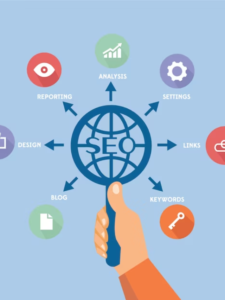
    Have you ever come around to the term ‘SEO’ and don’t know what exactly is? SEO is one the most powerful strategies of Digital Marketing which can help your business to stand out from other businesses if implemented in the way manner. This blog will help you with all the information regarding SEO and how you can use it to grow your business.


    Understanding the real meaning of SEO


    SEO stands for Search Engine Optimization. SEO is the technique of building a business website effective and efficient enough to get it ranked on SERP.  In this we have to improve the quality of our website so that it should become eligible to attract more audience, the website should be mobile-friendly which means it should work smoothly on mobile phones also. 


    How does SEO provide support to your business?


    SEO can help businesses in several ways. By improving the visibility of a website in search engine results pages, businesses can increase their web traffic and lead. In addition, SEO can help to build brand awareness and credibility and can be used to target specific audiences through keyword research. Ultimately, SEO can help businesses to achieve their online marketing goals. Here are a few benefits of SEO for your business:


    1. SEO drives more traffic


    One of the main benefits of SEO is that it can help to drive more traffic to your website. You have to create a website so that your customers explore your products and services on that website. The website should have to be mobile-friendly so that it can work well on mobile phones as most people prefer mobile phones rather than desktops. With more traffic businesses can come with more opportunities to generate leads into potential customers. Website performance and ranking can only be done with the proper use of SEO, the website is nothing without SEO because of it website runs.


    1. SEO is cost-effective


    SEO is an excellent marketing tactic that is also incredibly cost-effective. Paid marketing is not meant for small businesses or startups as they don’t have much to invest in different tools of marketing so for them, SEO is the most effective way to get started. Unlike paid advertising, which can be expensive, SEO is a long-term investment that will continue to pay off for years to come. With the right SEO strategy, you can get a number of advantages for your business.


    1. SEO builds trust and credibility


    Your website gains credibility and confidence from potential customers when it ranks first in the search results. More sales may result as they are more inclined to view you as an authoritative and trustworthy source of information. SEO is trustworthy. It can help you build trust with your audience and provide effects that are frequently long-lasting. Search engine optimization pays off once you see the results. You invest in the future of your website when you spend money on SEO.


    1. SEO provides measurable results


    Finally, SEO offers quantifiable results to businesses. You can monitor your progress and assess the return on your investment with the appropriate tools. Any company that wishes to defend its marketing expenditures must do this.


    1. SEO brings marketing plans together


    Your marketing activities should be guided by SEO, which is a terrific approach to increasing brand exposure. Your efforts should all learn from and assist one another, whether they concentrate on e-mail, social media, e-commerce, or more conventional channels like print.

    This not only guarantees that your company has a consistent brand voice but also lends authority. Your goals will be aligned, your following and engagement will rise, and you’ll be better prepared for organic growth when your social media posts are integrated with your blog and landing sites.


    Why SEO tools are important for digital businesses?


    SEO tools are software programs that can help businesses optimize their website for search engines like Google, Bing, and Yahoo. These tools can assist businesses in many ways. SEO tools analyze a site’s potential for great ranking on the results pages of search engines. They give information regarding backlinks, keywords, and insight into SEO activity online.

    These tools are essential for businesses and digital marketers to improve their website’s search engine visibility and overall performance. These tools can provide valuable insights into a website’s search engine rankings, traffic, keywords, backlinks, and other critical metrics.


    Popular SEO Tools Recommended for You


    There are many different SEO tools available in the market today. But not every SEO tool is created equal. Some SEO tools work better than others. Some of the top SEO tools on the market are listed below:


    Digital Marketing Tips


    • Google Analytics: Google Analytics is a free tool that you can use to monitor the traffic and effectiveness of your website.
    • Moz: Moz is a premium tool with several features that can help you increase the SEO of your website.
    • SEMrush: SEMrush is a paid tool that offers a comprehensive analysis of the SEO of your website.
    • Ahrefs: Ahrefs is a paid tool that provides some functions to assist you in enhancing the SEO of your website.
    • Google Search Console: This free tool allows you to keep track of how well your website performs in Google search results.
    • Bing Webmaster Tools: This free tool enables you to keep track of how well your website performs in Bing search results.
    • Yandex Webmaster Tools: Yandex Webmaster Tools is a free tool that assists you in tracking the effectiveness of your website in Yandex search results.
    • Baidu Webmaster Tools: This free tool allows you to keep track of how well your website performs in Baidu search results.
    • Alexa: Alexa is a paid tool that offers a thorough analysis of the traffic and functionality of your website.
    • SpyFu: SpyFu is a paid tool that offers a thorough analysis of the SEO of your website.

    If you are not already using SEO to market your business, now is the time to start. 


    Conclusion


    In conclusion, SEO is an essential element for businesses to improve their online visibility and attract more potential customers. By optimizing their website content, using relevant keywords, and building high-quality backlinks, businesses can improve their search engine rankings and increase their organic traffic.

    Moreover, local SEO can help businesses target their audience in a specific location, making it easier for potential customers to find them. Businesses should also keep in mind the importance of mobile optimization, as more people are using mobile devices to search for products and services.

    Lastly, staying up-to-date with the latest SEO trends and algorithms is crucial to maintaining a strong online presence. Businesses that invest in SEO and stay committed to improving their website’s visibility are likely to see significant long-term benefits. Hope this blog succeeds in providing you with all the relevant knowledge and information about SEO, its benefits for your business, and different tools which you can use to generate more traffic.


    FAQ


    Q- What is the meaning of SEO?

    Ans- SEO is the technique of building a business website effective and efficient enough to get it ranked on SERP.


    Q- What is the full form of SEO?

    Ans- Search Engine Optimization


    Q- How SEO is different from SEM?

    Ans- The primary difference between SEO and SEM is that SEO gives organic traffic which means it is unpaid and gives real or direct traffic while SEM is inorganic which means it gives paid search or paid traffic to your website.


    Q- How many types of SEO are there?

    Ans- There are 4 types of SEO, namely

    On-page SEO

    Off-page SEO

    Technical SEO

    Local SEO


    Q- What are the different techniques of SEO?

    Ans- Black Hat SEO, White Hat SEO, Grey Hat SEO, and Negative SEO are different types of techniques of search engine Optimization.


    Q- Why do you need SEO?

    Ans- You need SEO for several reasons like;

    -To increase the visibility of a website on SERP.

    -To get more traffic to your website.

    -To convert local businesses into leading businesses.

    -To grow the business as a brand.


    Q- How to optimize the content of your website for SEO?

    Ans- Do keyword research for the products of your business, optimize URL, use short-tail keywords, optimize meta title, meta description, or meta keywords for your blog content, and analyze competitors’ strategy.


     Q- What do SEO tools mean?

    Ans- SEO tools are software programs that can help businesses optimize their website for search engines like Google, Bing, and Yahoo. 


    Q- What do SEO tools do?

    Ans- SEO tools analyze a site’s potential for great ranking on results pages of search engines. They give information regarding backlinks, keywords, and insight into SEO activity online.

    If you are looking for the Best Digital Marketing Agency for your Business please contact Bliss Marcom.
    Office Address in Noida.

  • How to Use SEM for Startup Growth in India(PPC + Paid Ads Guide)

    [vc_row][vc_column][vc_column_text css=””]Discover how startups in India can use SEM strategies like Google Ads and PPC to grow fast. Learn affordable, beginner-friendly methods to get instant traffic.

    Startups often struggle to gain visibility in a competitive market. SEM or Search Engine Marketing can be a quick and effective tool to help startups grow online. In this blog, we’ll explain how to use SEM for startup growth in India, especially through paid ads like Google Ads and PPC.

    As a startup, you are constantly looking for ways to outperform the competition and get your name out there. One way to do this is through search engine marketing (SEM). SEM is a form of online marketing that helps you to improve your visibility in search engine results pages (SERPs). You can increase your chances of being found by potential customers who are looking for what you have to offer by using SEM.

    SEM: Meaning

    Search engine marketing is a type of digital marketing that involves increasing the visibility of websites in search engine results pages (SERPs). SEM involves both paid and organic search marketing strategies. Paid SEM strategies include pay-per-click (PPC) advertising and cost-per-thousand (CPM) advertising. Organic SEM strategies include optimizing a website for keywords, building backlinks, and creating content that is relevant to the target audience.

    SEM or SEO which is more beneficial for startups?

    There is a lot of debate in the marketing world about which is better, SEO or SEM. First, let’s understand what these terms exactly mean. The technique of increasing a website’s visibility and rating in search engine result pages is known as search engine optimization (SEO). Search Engine Marketing (SEM) is a type of marketing that involves increasing the visibility of websites in search engine results pages.

    SEO is a longer-term strategy, it gives long-term results, whereas SEM is a more immediate strategy. If you want to increase traffic to your website quickly, then SEM is the better option. SEO takes longer to see results, but it is a more sustainable long-term strategy.
    There are advantages and disadvantages to both the techniques of SEO and SEM. SEO is a long-term strategy, even though SEM is a short-term strategy. SEO can be more cost-effective than SEM, but SEM can be more quickly effective in driving traffic to a website.

    The best option for your startup will ultimately depend on your specific needs and goals and you have to choose which is best according to your goals and field. You should consider SEM because it may be a better option if you need quick results and have a limited budget. If you’re looking for a long-term strategy with more sustainable results, SEO may be the better choice.

    Best SEM Strategies for Startups in India

    Paid Ads:

    Starting a business is hard enough, but getting people to find out about your product or service can be even harder. That’s where paid search ads come in.
    Paid search ads are a great way to get your startup in front of potential customers who are already searching for what you have to offer. It’s also a very cost-effective way to market your business because you only pay when someone clicks on your ad.
    Of course, paid search ads are not a magic bullet, and they won’t work if you’re not targeting the right keywords or if your ad is not well-written. But if you take the time to learn how paid search ads work and how to create effective ones, they can be a powerful tool for driving traffic to your startup’s website.


    Pay Per Click:

    As a startup, you may be wondering if you should invest in PPC SEM (Search Engine Marketing). The answer is maybe. It depends on your business model, your target market, and your budget.
    PPC marketing can be a great way to get your brand in front of potential customers who are actively searching for your product or service. However, it can be costly, and if you’re not careful, you can end up spending a lot of money without seeing any results. Before you decide whether or not to invest in PPC SEM, do your research and talk to other startups who have used it. Once you have a better understanding of the pros and cons, you’ll be able to make a more informed decision about whether or not it’s right for your business.


    ppc-google-ads-startups


    Cost Per Click:

    CPC marketing is a type of paid advertising where you only pay when someone clicks on your ad. This can be a great way to get targeted traffic to your website without breaking the bank.
    To get started with CPC marketing, you’ll need to choose the right platform for your ads. Google AdWords is a popular choice, but there are other options available as well.

    Once you’ve chosen a platform, you’ll need to create your ad. Be sure to include relevant and targeted keywords to help improve your click-through rate.
    Once your ad is live, you’ll need to track your results to see how well it’s performing. This will help you fine-tune your ad and ensure that you’re getting the most out of your CPC marketing campaign.

    Landing Page Optimization

    Even if your ads are performing well, poor landing pages can lead to lost conversions. Your landing page should be fast, mobile-friendly, and aligned with the message in the ad. A clean design with a strong CTA can significantly boost conversion rates.

    Track and Improve Continuously

    Every SEM campaign should be tracked through tools like Google Ads reports or Google Analytics. Keep an eye on impressions, CTR, bounce rate, and conversions. Use these insights to refine your ads, targeting, and budget for better results over time.

    Did startups know about these SEM strategies?

    There are several different SEM strategies that as a startup you can use, and the best approach will vary depending on your business and your goals. You have to select the strategy according to your needs and requirements and will have to monitor which one is working best for your startup, it depends on the technique that will work and you should accordingly follow those strategies to generate more traffic to your startup’s website. However, some SEM tips that all startups should keep in mind include:

    1- Research your keywords.

    Before you can start any SEM campaign, you need to know which keywords you want to target. These are the terms that potential customers are searching for when they are looking for businesses like yours and you have to be efficient in your keyword approach so that they can directly reach your website when they search for keywords related to your business. You can use keyword research tools like Google AdWords Keyword Planner to find out which keywords are most popular and relevant to your business.

    2-Create compelling ad copy.

    Once you know which keywords you want to target, you need to create ads that will appeal to potential customers. Your ad copy should be short, clear, concise, crisp, and persuasive. It should also include your target keywords to help improve your visibility in search results.

    3-Optimize your website for SEM.

    In addition to creating ads, you also need to make sure that your website is optimized for SEM. This means making sure that your website is designed to convert visitors into customers. Your website should be easy to navigate, and mobile-friendly and it should contain relevant and keyword-rich content. Website optimization will help your startups to generate more leads and to convert viewers into real-time customers.

    4-Track your results.

    Finally, keep track of your results so you can see what works and what doesn’t. If something isn’t working for your startup then don’t spend time on that instead follow other strategies or techniques that are working for your startup. This will help you to refine your SEM strategy over time and ensure that you are getting the most out of your strategy.


    Conclusion

    SEM can be a powerful tool for startups, allowing them to reach a wide audience with minimal investment. By targeting keywords that are relevant to their product or service, startups can attract potential customers who are actively searching for what they have to offer. SEM can also be used to target specific demographics, interests, and even locations, making it an extremely effective way to reach the right people with your message.

    In addition to attracting new customers, SEM can also be used to drive brand awareness and build credibility with potential investors and partners. using SEM for startup growth in India can help new businesses quickly gain online visibility and generate leads. With strategies like Google Ads and PPC, startups can reach their audience without a huge budget.


    FAQs

    If you are looking for the Best Digital Marketing Agency for your Business please contact Bliss Marcom.
    Office Address in Noida.

    [/vc_column_text][/vc_column][/vc_row][vc_row][vc_column][vc_toggle title=”How can startups use SEM for growth in India?” css=””]Startups can start with Google Ads by targeting specific keywords and running affordable PPC campaigns. It’s a fast way to appear on top of search results and attract new customers.[/vc_toggle][vc_toggle title=”What is a Startup?” css=””]A startup is a company or organization in its early stages, typically characterized by high uncertainty and risk. The ability of a startup to address an issue that customers feel about helps determine its success.[/vc_toggle][vc_toggle title=”What does Search Engine Marketing do?” css=””]SEM improves a website’s visibility in search engines, and can be a powerful tool for driving traffic and leads to your business. By improving your website’s organic search results, you can increase your chances of being found by potential customers who are searching for your products or services. By running paid search ads, you can reach even more customers and create a more effective marketing campaign.[/vc_toggle][vc_toggle title=”Is SEM a powerful tool for startups?” css=””]SEM can be a powerful tool for startups, allowing them to reach a wide audience with minimal investment. By targeting keywords that are relevant to their product or service, startups can attract potential customers who are actively searching for what they have to offer.[/vc_toggle][vc_toggle title=”What are the best activities of SEM?” css=””]PPC advertising, CPC advertising, Paid Ads.[/vc_toggle][/vc_column][/vc_row]

  • 10 Digital Marketing Tips to Skyrocket Your Business Growth.

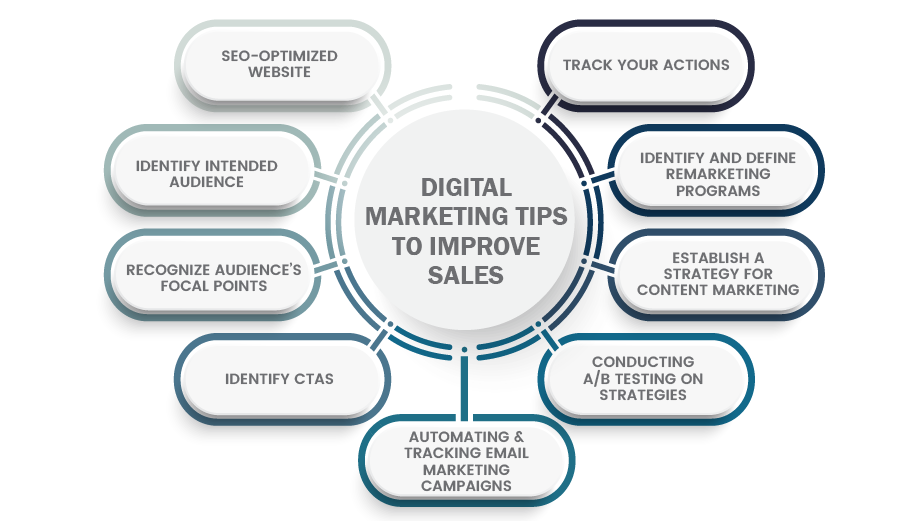
    Are you looking for some digital marketing tips? Well, you’ve come to the right place! In this article, we’ll share with you some essential digital marketing tips that will help you boost your online presence and grow your business. But before proceeding to digital marketing tips first well understand the meaning of digital marketing to make things clear.

    Digital Marketing: Overview

    Digital Marketing is an online medium to promote your business or services with the help of different online marketing tools or strategies. Digital Marketing has been replacing traditional marketing because it is more effective and efficient than traditional marketing, every business nowadays is promoting their services online to increase sales or generate leads to grow their business’s outlook.

    How Does Digital Marketing Help Businesses?

    Digital marketing has become an essential part of any modern business. By learning and utilizing digital marketing techniques and strategies. Businesses can connect with their target audience through a variety of Digital Marketing channels including email, social media platforms, search engines, and websites.

    Digital marketing provides support and guidelines to businesses to help them get started. It also helps businesses with a way to reach out to their target audience, create a relationship with them and turn them into their potential customers. Through digital marketing, businesses can build trust and credibility with their target audience, and in this way, businesses can generate leads to increased sales and conversions. Additionally, digital marketing can help businesses to reach a wider audience, which can result in increased brand awareness and exposure.

    10 Best Digital Marketing Tips To Get Started


    1- Decide your Business Goal


    Every business comes into the market with an organizational The first and foremost task of every business is to decide what organizational goals they’re trying to achieve. Decide your goal and make small tasks to reach that particular goal. Plans or strategies are implemented according to the goal of the business, likewise, work will be done following the goal of the business.

    sales

    2- Use social media to your advantage


    Social media is a very powerful tool that can help you reach a wider audience as the majority of the population is using social media and billions are active social media users so it will help you to connect with people who can turn into potential customers for your business. Make sure you are active on the right platforms and that you are regularly sharing new and engaging content so that the audience will engage and buy the product or services which you are offering.


    3- Invest in SEO


    SEO can be a great way to make your business’s website more recognizable among all businesses, if you do proper SEO then you’ll stand out among different businesses. SEO can be a bit of a complex topic, but usually, it’s all about making sure that your website and the content of the website are optimized for search engines. This simply means that when customers search for keywords related to your business, your website is more likely to appear in the top results because of the SEO.


    4- Create compelling content


    Content is still regarded as the king when it comes to digital marketing. Whether it is blog posts, infographics, images, videos, or eBooks, make sure your content is original and engaging so that the majority of customers find it relevant and engage with your business. Always keep in mind that the customer is the hero of your business which means you have to create content from the customer’s point of view rather than what you like. This will help you attract more attention and generate more leads and accordingly increase the sales of the business.


    5- Make use of email marketing


    Email marketing is a great way to stay in personal touch with your customers and keep them updated on your latest products, services, and offers. Send cold emails to your customers so that they know that you are still in the market and trying to offer your products or services to them. Make sure your emails are personalized and relevant and always include a call-to-action button so that if customers find your product worth buying; they can directly contact you.


    6- Advertise online


    Paid advertising is a great way to get your business in front of a larger audience within a minimum time. When done correctly, it can be an effective way to generate leads and drive more traffic to your website. Explore new ways of paid advertising strategies to generate leads within a specified time.

    Digital marketing is an ever-evolving and dynamic field, so make sure that your business has to stay up-to-date with the latest trends and techniques of digital marketing. 


    7- Effective designing


    As an owner of the business, you know that first impressions to your audience are key to success but with that, it takes more than a great product or service to make a lasting impression; for that, you need an effective design that reflects the quality of your business and directly impact the eyes of the customer. Luckily, you don’t have to go it alone. There are plenty of great designers out there who can help you create a logo, graphics, your business name, graphics, or an unforgettable brand.


    8- Optimize the website


    The website is the most important source for every business to showcase products or services. Audiences engage with you firstly through your website, so it is your duty to give them the best through your website for that you have to first optimize your website for mobile phones because most people prefer mobile phones over desktops so your website must be mobile-friendly so that customer can take a good experience from that.


    9- Video Marketing


    Video marketing is a great way to showcase your product without providing long-form content to your customers, you can make short videos of 15 seconds or 30 seconds regarding your product, offers, or services it will definitely help you to get more reach as customers prefer watching a video rather than reading long formatted content. Use different video marketing strategies to engage with your customers and increase your sale in this way.


    10- Stay updated with new techniques or strategies


    As we all know that digital marketing field is ever evolving and growing marketing field, so there are a number of new techniques coming into the market with the help of these techniques you can promote or grow your business more effectively so it is your duty to stay up to date with all the new strategies and techniques for touching heights. Never say no to learning new things because all this learning will be going to help you in your organizational growth. Communicate with those who also belong to the digital marketing field and try to learn from them also.


    You Must Read Related topic  On Digital Marketing for Startups.

    https://www.blissmarcom.com/how-a-startup-company-can-get-beneficial-services-from-a-digital-marketing-agency-2/

    Digital marketing FAQ

    Q- What is Digital Marketing?

    Ans- Digital Marketing is an online medium to promote your business or services with the help of different online marketing tools or strategies.

    Q- What are the different channels of Digital Marketing?

    Ans- Different channels of Digital Marketing are:

    • Content Marketing
    • Search Engine Optimization
    • Social Media Marketing
    • Email Marketing
    • PPC Marketing
    • Video Marketing
    • Performance Marketing


    Q- How does Digital Marketing help small businesses?

    Ans- Digital Marketing helps small businesses in a number of ways. Digital Marketing provides different platforms through which they can connect with people, strategies of digital marketing with which they can target audiences, help businesses to generate leads, and drive more traffic to the website.


    Q- Name some social media platforms to promote businesses.

    Ans- LinkedIn, Instagram, or Facebook is the leading social media platform on which you can promote businesses.


    Q- What is Social Media Marketing?

    Ans- Social Media Marketing is the process of using different social media platforms like Facebook, Instagram, LinkedIn, etc to promote business by engaging with people to make them their potential customers.


    If you want more Information for Digital Marketing Please connect with Bliss Marcom.  Below is the Bliss Marcom Address

  • Best 7 Skills You Need to Know to Become an Expert in Digital Marketing

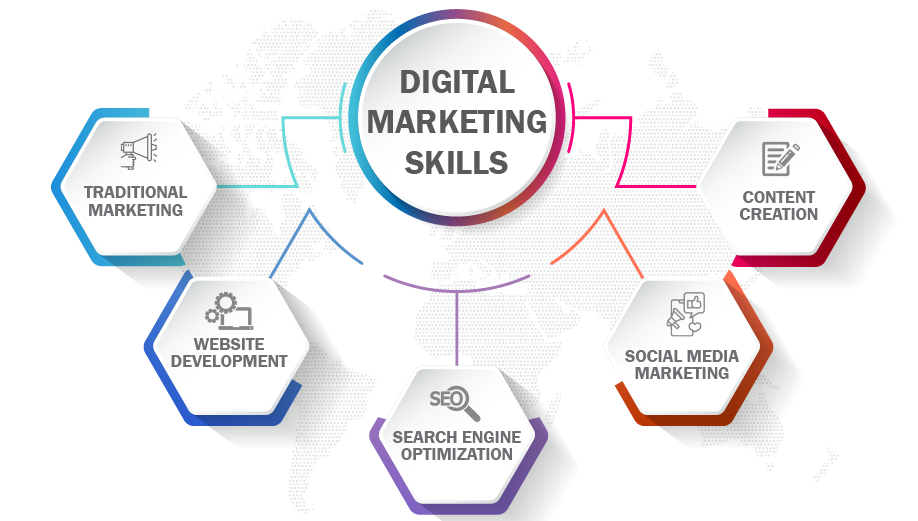
    Today’s technology-based economy necessitates business owners and marketers to familiarise themselves with digital marketing strategies. Traditional marketing, website development, search engine optimization, social media marketing, content creation, and much more all come together in digital marketing, making it necessary to have a wide range of skills.

    What would you do as a Digital Marketer to separate yourself from the crowd, given that so many companies are adopting digital marketing strategies and staffing up with digital marketing experts?

    Consider the following list of the top 7 abilities necessary for success in the field of digital marketing:

    intro Digital Marketing

    1. Data Analysis 

    Data analytics is collecting and analyzing data from various sources, including users’ online activities and purchases, to understand better and serve your target audience. Your company’s online activity footprints may include content views, product purchases, keyword searches, and more. 

    Marketers may now use various internet tools to analyze and make appropriate marketing decisions to assess data across many platforms. Data cleaning, or removing stale, duplicate, or otherwise unusable information from a database, is an important subject for marketers to grasp. To make wise choices, it is essential to maintain an accurate database by regularly adding new information and removing old or irrelevant entries.

    2. Content Creation

    Create content that interests your ideal customers and flock to your business; this is the essence of a Digital Marketing company. The goal should be to learn how to engage people successfully, not just to develop high-quality content and information that is friendly to search engines. Include “Evergreen content” in the overall mission. This ensures that the material will continue to serve the target audience’s needs.

    3. Search Engine Optimization and Marketing

    As Google’s algorithm evolves, the relevance and specificity of keywords become increasingly important. As a result, SEO has become a crucial competency for any digital marketer looking to succeed. The team’s programmers and coders may handle technical SEO Service providers, but understanding the mechanics of SEO and optimizing all types of content is essential for a successful digital marketing campaign. Search engine optimization and paid advertising can help you zero in on that group if you’re trying to reach a specific demographic.

    4. CRM

    Tracking customer satisfaction levels allows businesses to anticipate their consumer base’s changing wants and demands. Customer Relationship Management (CRM) is an essential talent for digital marketers since it entails techniques for keeping tabs on and improving customers’ interactions with a brand. Establishing a deeper, more personal connection with your audience enhances the likelihood that they will remain loyal to your brand. A marketer’s Customer Service Management might benefit from developing skills like empathy and communication.

    5. Communication Skills

    A digital marketer’s ability to connect with their audience and persuade them to take action depends on their communication abilities. The goal is to craft a compelling message and relay it to consumers in a style that is easy to understand and piques their attention. A successful digital marketer must be creative, have excellent communication skills, and have a firm grasp on what their target demographic finds engaging and informative to succeed.

    6. Social Media  

    The public square is shifting to social media. That’s helpful information for digital marketers targeting the right people with their messages. Maintaining an active social media presence by regularly updating material is not enough. While developing social media strategy, marketers should also consider content quality, relevance, and audience engagement. 

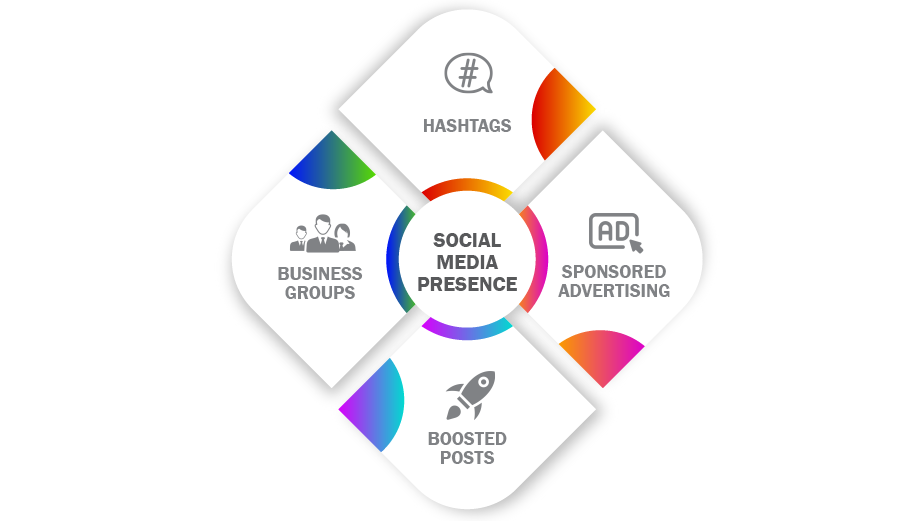
    Each social media network has its unique algorithm to assist businesses in delivering relevant content to their intended demographic. Best Marketing Company in Noida can benefit from establishing a social media presence by using new tools, like sponsored advertising, boosted posts, hashtags, and business groups.

    social media Digital Marketing

    7. Basic Design Skills 

    Creating and sharing videos or other visual information is more effective than writing. Online videos are becoming increasingly popular as it becomes more well understood that they increase conversion rates, user engagement, and search engine results.

    Digital marketers should have at least a fundamental understanding of image editing programs like Adobe’s Creative Suite (Photoshop, After Effects, Illustrator, InDesign, etc.), Canva, and Inkscape.

    It’s best to have a general understanding of all skills and some level of expertise in each. Prioritize developing both your complicated (technical) and soft (people) talents, as although the former can be taught; the latter cannot.

    Basic Design Digital Marketing

    Digital Abhishek


    If you are looking for the Best Digital Marketing Agency for your Business please contact Bliss Marcom.
    Office Address in Noida.