Blog

  • Why Choose the Best Digital Marketing Agency for Your Company or Product Branding

    [vc_row][vc_column][vc_column_text css=””]Not Just an Ad, It’s Your First Impression. Let’s be honest—how many times have you Googled a product, checked a brand’s Instagram, or judged a company by its website design? Probably more times than you can count. That’s the power of branding and digital presence. And behind most of those polished, engaging, and scroll-stopping brand moments is a great Digital Marketing Agency.


    What Does a Digital Marketing Agency Do, really?
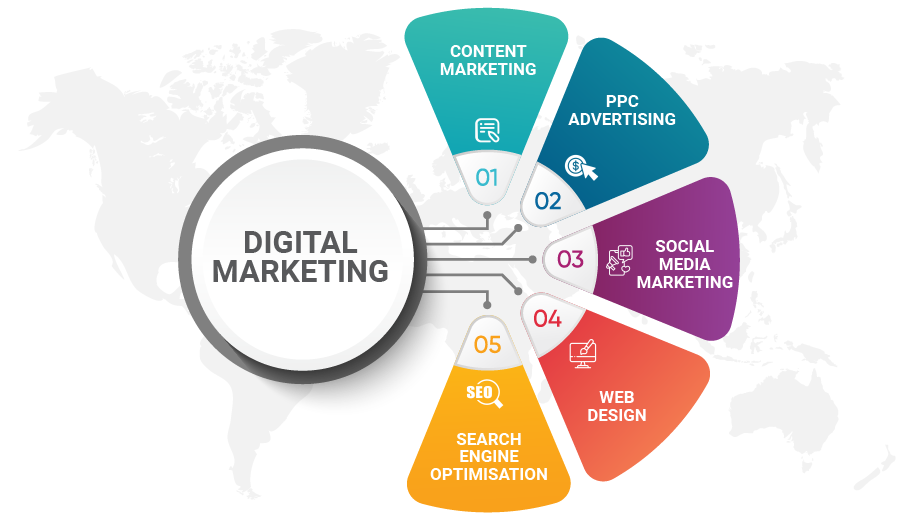
    What-is-digital-marketIng.Let’s first understand what a digital marketing agency actually does.

    Think of them as your brand’s all-in-one partner for everything online. A good marketing agency handles:

    • Social media marketing
    • SEO (Search Engine Optimization)
    • Google and Meta Ads
    • Content creation (blogs, videos, graphics)
    • Email marketing
    • Website development & UI/UX
    • Online reputation management

    Basically, they help your brand stand out in the digital crowd.

    Why You Shouldn’t Do It All Yourself

    Sure, you can create an Instagram account, maybe even design a basic website. But just like you wouldn’t fix your own car engine unless you’re a mechanic, why risk your brand’s first impression?

    Digital marketing isn’t just about being online. It’s about:

    • Reaching the right audience
    • Saying the right message
    • At the right time

    An experienced digital marketing company in Noida, or anywhere else for that matter, understands market behavior, changing algorithms, and user expectations. They bring strategy, tools, and creativity to the table—things that go beyond just posting online.

    Branding is More Than a Logo

    A marketing agency doesn’t just help you create a logo or tagline—they help you build a brand story.

    Example:
    Imagine you’re launching a line of eco-friendly skincare. Without a brand strategy, your product might just be “another organic lotion.” But with the help of a digital agency:

    • You develop a clean, nature-inspired design
    • Launch a campaign that tells the story of your ingredients
    • Use influencer partnerships to reach eco-conscious audiences
    • Optimize your website for “green beauty products” so it ranks on Google

    Now you’re not just selling lotion—you’re selling a lifestyle.

    The Competitive Edge: Why Go with the Best

    You’ve probably seen dozens of ads claiming, “We’re the best marketing agency!” So, why does it matter which one you choose?

    Here’s the thing: digital marketing is an investment. Choosing the best digital marketing agency means:

    • Higher ROI on your ad spends
    • Better lead generation
    • Stronger brand identity
    • Consistent growth over time

    A reliable agency doesn’t just “run ads.” They dig deep into your goals, research your competitors, test what works, and adapt quickly.

    Why a Digital Marketing Company in Noida Makes Sense

    BlissMarcom Best digital Marketing companyIf your business is in or near Noida, working with a Digital Marketing agency in Noida can be a smart move. Why?

    1. Local Market Knowledge – They understand your target demographic better.
    2. Ease of Communication – Face-to-face meetings when needed.
    3. Faster Support – Quick response time without timezone delays.

    Plus, Noida has grown into a digital hub with agencies that serve both local and international clients.

    Real Results: From Unknown to Unmissable

    Example:
    A small bakery in Delhi partnered with a Noida-based marketing agency to increase online orders. Within 3 months:

    • Their website traffic tripled.
    • Instagram followers went from 500 to 5,000.
    • They ranked on Google for “custom birthday cakes in Delhi.”

    All from a well-executed digital strategy. That’s the magic a good agency can bring.

    How you Choose the Right Digital Marketing Agency

    Social Media MarketingChoosing a digital marketing agency is a bit like dating—you need compatibility, communication, and long-term potential. Look for:

    • Proven experience and results
    • Clear understanding of your industry
    • Transparent reporting and communication
    • Creative portfolio
    • Customizable packages (not one-size-fits-all)

    Ask for case studies. Check reviews. Have an honest conversation before signing up.

    Your product or company deserves more than a few random posts and a DIY logo. It deserves a brand identity that connects, converts, and lasts.

    Partnering with the best digital marketing agency gives your brand the spotlight it deserves. Whether it’s building trust, boosting visibility, or increasing sales—the right marketing agency can do it all.

    So, if you’re ready to grow your brand and want expert guidance every step of the way, don’t just go digital. Go smart. Go with the best.

    Frequently Asked Questions (FAQs)

    [/vc_column_text][/vc_column][/vc_row][vc_row][vc_column][vc_toggle title=”What makes a digital marketing agency the best?” css=””]A top Digital Marketing agency offers Best strategic planning, proven results, Excellent creative Work, and understands your business goals.[/vc_toggle][vc_toggle title=”Is it worth hiring a digital marketing company in Noida?” css=””]Absolutely!  Noida agencies offer easier collaboration, market-specific insights, and faster communication.[/vc_toggle][vc_toggle title=”Is it worth hiring a digital marketing company in Noida?” css=””]Costs vary based on your goals, services needed, and duration—but think of it as an investment in brand growth, not just an expense.[/vc_toggle][vc_toggle title=”Can I choose specific services instead of a full package?” css=””]Yes, many agencies offer customizable plans where you can pick only the services you need.[/vc_toggle][vc_toggle title=”How soon can I expect results?” css=””]While some results like ad clicks and engagement are quick, brand growth and SEO usually take 2–6 months of consistent effort.[/vc_toggle][/vc_column][/vc_row]

  • Sustainable and Ethical Marketing for Business Growth

    In a world grappling with environmental challenges and societal concerns, the role of businesses extends beyond profitability. Sustainable and ethical marketing has emerged as a powerful tool for companies to demonstrate their commitment to responsible practices while building brand loyalty and fostering positive social change.

    This blog delves into the concept of sustainable and ethical marketing, exploring its significance, strategies, and the positive impact it can have on businesses and the world.

    Understanding Sustainable and Ethical Marketing

    Sustainable and ethical marketing goes beyond traditional marketing strategies that focus solely on promoting products and services. It involves aligning marketing efforts with ethical business practices and a commitment to environmental, social, and economic responsibility. This approach considers the long-term impacts of marketing campaigns on people, the planet, and profitability.

    The Significance of Sustainable and Ethical Marketing

    1. Building Trust and Loyalty: 

    Consumers today are more conscious and discerning. They seek out brands that reflect their values and contribute positively to society. Engaging in sustainable and ethical marketing builds trust and loyalty, as customers are more likely to support businesses that demonstrate a genuine commitment to responsible practices.

    2. Enhancing Brand Reputation: 

    A brand’s reputation is no longer solely dependent on the quality of its products or services. Consumers assess a company’s reputation based on its environmental stewardship, treatment of employees, and contributions to the community, Ethical marketing strategies can enhance a brand’s reputation and set it apart in a competitive market.

    3. Addressing Consumer Concerns: 

    Issues such as climate change, social inequality, and fair labor practices are in the minds of consumers. Sustainable and ethical marketing allows businesses to address these concerns proactively, showing consumers that their choices align with responsible values.

    4. Attracting Millennial and Gen Z Consumers: 

    Younger generations prioritize sustainability and ethics in their purchasing decisions. Businesses that adopt transparent and ethical practices are more likely to attract and retain millennial and Gen Z consumers who are known for their preferences for socially responsible brands.

    Strategies for Sustainable and Ethical Marketing

    1. Transparency: 

    Transparency is the cornerstone of ethical marketing. Businesses should openly share information about their supply chain, manufacturing processes, and labor practices. This helps consumers make informed choices and builds credibility.

    2. Cause-Related Marketing: 

    Partnering with charitable organizations or supporting social and environmental causes through marketing campaigns can create a positive impact while resonating with consumers who care about these issues.

    3. Green Marketing: 

    Promoting environmentally friendly products, packaging, and practices can attract eco-conscious consumers. However, green marketing should be authentic and backed by verifiable claims to avoid accusations of “greenwashing.”

    4. Inclusive Advertising: 

    Embrace diversity and inclusivity in advertising campaigns. Representing people from various backgrounds and demographics not only reflects the real world but also resonates with a wider audience.

    5. Educational Content: 

    Create content that educates consumers about sustainable practices, helping them make eco-friendly choices. This positions your brand as a knowledgeable and responsible advocate.

    6. Product Longevity: 

    Encourage product longevity by designing high-quality items that last longer, reducing the cycle of consumerism and waste.

    Positive Impacts of Sustainable and Ethical Marketing

    1. Reduced Environmental Impact: 

    Sustainable marketing encourages businesses to adopt eco-friendly practices, such as minimizing waste, reducing energy consumption, and using renewable resources. This contributes to a healthier planet for current and future generations.

    2. Empowerment of Communities: 

    Ethical marketing involves fair treatment of employees, suppliers, and local communities. This empowers communities economically and socially, leading to more sustainable development.

    3. Behavior Change: 

    Effective ethical marketing campaigns can inspire behavioral change among consumers. By making responsible choices, consumers contribute to positive societal and environmental outcomes.

    4. Competitive Advantage: 

    Companies that embrace sustainable and ethical marketing gain a competitive advantage by positioning themselves as leaders in responsible business practices. This can attract investors, partners, and customers who align with these values.

    5. Long-Term Profitability: 

    Ethical business practices and sustainable marketing may require initial investments, but they often lead to long-term cost savings, operational efficiencies, and increased customer loyalty.

    Conclusion

    Sustainable and ethical marketing transcends traditional marketing approaches by prioritizing responsible business practices, transparency, and societal well-being. It is a transformative force that benefits businesses, consumers, and the planet. 

    By adopting strategies that align marketing efforts with ethical values and sustainable practices, companies can contribute to positive change, build strong brand reputations, and thrive in an evolving business landscape. As the world navigates complex challenges, ethical and sustainable marketing provides a beacon of hope and a path toward a better future for all.

    Frequently Asked Questions (FAQs)

    1. Why is sustainable and ethical marketing important?

    It’s important because it promotes responsible business practices, builds trust with consumers, supports social and environmental causes, and can lead to long-term business success.

    1. How can businesses incorporate sustainability into their marketing strategies?

    Businesses can do this by showcasing their sustainable practices, such as using eco-friendly materials, reducing waste, and supporting ethical sourcing, in their marketing messages.

    1. What are some examples of sustainable marketing practices?

    Examples include promoting recyclable packaging, reducing energy consumption, supporting fair trade practices, and donating to environmental or social causes.

    1. Does sustainable marketing resonate with consumers?

    Yes, many consumers today prefer brands that align with their values, including sustainability and ethics. Authentic sustainable marketing can help build stronger connections with such consumers.

    1. How can businesses measure the impact of their sustainable marketing efforts?

    The impact can be measured through various metrics, including customer surveys, sales data, social media engagement, and sustainability reporting.

    1. What are the challenges businesses may face when adopting sustainable and ethical marketing?

    Challenges may include higher production costs, the need for transparency, and the risk of backlash if sustainability claims are not upheld.

  • Tips for Creating Engaging Video Content

    In the world of digital marketing, where attention spans are shorter than ever, video content has emerged as a powerhouse for capturing and retaining audience engagement. 

    The rise of video marketing has transformed the way businesses connect with their target audience, making it imperative for marketers to master the art of creating captivating video content. 

    In this blog, we will explore the reasons behind the popularity of video marketing and provides essential tips for crafting video content that resonates with viewers and drives results.

    What is Video Marketing?

    Video marketing is a digital marketing strategy that involves creating and sharing video content to promote products, services, brands, or messages. It leverages the visual and auditory appeal of videos to engage and communicate with the target audience. 

    Video marketing aims to convey information, tell stories, evoke emotions, and ultimately drive desired actions, such as making a purchase, signing up for a newsletter, or sharing content.

    Video marketing can take various forms, including:

    1. Promotional Videos: 

    These videos showcase products or services, highlighting their features, benefits, and value to the audience. They can be used to launch new products, demonstrate how products work, or compare products in a competitive market.

    2. Explainer Videos: 

    These videos provide clear and concise explanations of complex concepts, processes, or products. They often use animations, graphics, and narration to simplify information for viewers.

    3. How-To and Tutorial Videos: 

    Educational content that demonstrates how to use a product, perform a task, or achieve a specific goal. How-to videos establish your brand as an expert in your industry and offer value to viewers.

    4. Testimonials and Case Studies: 

    Real-life success stories from customers or clients who have benefitted from your products or services. These videos build trust and credibility by showing tangible results.

    5. Behind-the-scenes: 

    Giving viewers a glimpse of your company’s culture, processes, and the people behind your brand can create a personal connection and humanize your business.

    The Power of Video Marketing

    Video marketing has undergone a meteoric rise in recent years, and for good reason:

    1. High Engagement:

    Videos can convey information quickly and effectively, capturing users’ attention and keeping them engaged. A well-crafted video can communicate a message or story more vividly than text or images alone.

    1. Visual Storytelling: 

    Videos allow brands to tell compelling stories in a visual format, evoking emotions and building stronger connections with their audience. Through visuals, sound, and motion, videos create a multisensory experience that is hard to replicate with other content types. 

    1. Versatility:

    Video content is incredibly versatile. It can take the form of advertisements, product demos, tutorials, interviews, behind-the-scenes glimpses, and more. This flexibility enables marketers to cater to various stages of the buyer’s journey.

    1. Shareability:

    Engaging videos are more likely to be shared across social media platforms, extending the reach of your brand’s message organically. Social shares can lead to increased brand visibility and audience growth.

    1. Improved SEO:

    Video content on websites can improve search engine rankings. Search engines often prioritize websites with video content, leading to higher organic traffic.

    1. Mobile Consumption: 

    With the proliferation of mobile devices, video content is easily accessible to users on the go. Mobile-friendly videos cater to the preferences of modern consumers.

    Tips for Creating Engaging Video Content 

    1. Know Your Audience: 

    Before you start creating video content, understand your target audience’s preferences, needs, and pain points. Tailor your content to address their interests and challenges.

    1. Define Clear Objectives: 

    Outline specific goals for each video. Are you aiming to increase brand awareness, educate, entertain, or drive conversions? Having a clear objective helps guide your content creation process.

    1. Capture Attention Early:

    The first few seconds of your video are crucial. Hook viewers with a compelling introduction that piques their curiosity and encourages them to keep watching.

    1. Tell a story: 

    Narratives resonate deeply with audiences. Craft a relatable and emotionally engaging story that keeps viewers invested until the end.

    1. Keep it Concise:

    Attention spans are short, so keep your videos concise. Aim for videos that are between 1 to 3 minutes in length for most platforms.

    1. Visual Quality Matters:

    Invest in good video and audio equipment. High-quality visuals and clear sound enhance the overall viewing experience and convey professionalism.

    1. Provide Value:

    Ensure your video offers value to the viewer. Whether it’s useful information, entertainment, or a solution to a problem, valuable content keeps viewers engaged.

    1. Include a Call to Action (CTA): 

    At the end of your video, guide viewers on what to do next. Whether it’s visiting your website, subscribing, or making a purchase, a clear CTA prompts action.

    1. Optimize for Mobile:

    As a significant portion of video consumption occurs on mobile devices, ensure that your videos are optimized for mobile viewing. Subtitles and a vertical format can enhance the mobile experience.

    1. Utilize Emotion:

    Emotions have a powerful impact on viewer engagement. Create videos that evoke emotions such as humor, empathy, or excitement.

    1. Test and Iterate:

    Analyze the performance of your videos and gather feedback from your audience. Use insights to refine your video marketing strategy over time.

    Conclusion

    The rise of video marketing has revolutionized the way brands connect with their target audience. Through compelling storytelling, visual engagement, and the ability to convey information quickly, videos have become a staple in successful marketing campaigns. 

    By understanding your audience, setting clear objectives, and applying the tips mentioned in this blog, you can create engaging video content that resonates with viewers, fosters connections and drives meaningful results. 

    As the digital landscape continues to evolve, mastering the art of video marketing will undoubtedly be a key factor in staying relevant and competitive in the ever-changing world of digital marketing.

  • Understanding LSI Keywords for Enhanced SEO

    In the world of Search Engine Optimization (SEO), staying ahead of the curve is essential. One of the advanced techniques gaining prominence is the use of Latent Semantic Indexing (LSI) Keywords. LSI keywords have the potential to not only improve your website’s search engine rankings but also enhance the overall user experience.

    In this blog, we’ll delve into the concept of LSI keywords, their importance, and how to effectively incorporate them into your content strategy.

    What are LSI Keywords?

    Latent Semantic Indexing (LSI) is a technology that search engines use to understand the context and meaning behind words used in a search query. Rather than relying solely on exact keyword matches, LSI keywords help search engines identify related terms and concepts. This enables them to provide more accurate and relevant search results to users.

    For instance, if someone searches for “apple,” search engines equipped with LSI technology can determine whether the user is looking for information about the fruit or the tech company based on the surrounding context of the search query.

    Importance of LSI Keywords in SEO

    1. Enhanced Relevance: 

    LSI Keywords assist search engines in understanding the overall theme of your content. By incorporating related terms, your content becomes more contextually rich and relevant, increasing the chances of ranking higher in search results.

    2. Diverse Keyword Usage: 

    Overusing a single keyword can lead to keyword stuffing, which is penalized by search engines. LSI keywords offer an opportunity to naturally incorporate variations of your main keyword, maintaining a balanced keyword density.

    3. Content Depth and Quality: 

    Including LSI keywords encourages content creators to cover a topic comprehensively. This leads to in-depth and informative articles, which tend to attract more backlinks and shares, further boosting your SEO efforts.

    How does LSI Keyword work?

    Latent Semantic Indexing (LSI) is a technology used by search engines to analyze and understand the relationships between words, concepts, and context within a piece of content. LSI plays a crucial role in how this technology works. Here’s how LSI keywords function:

    1. Contextual Analysis:

    LSI technology is designed to recognize patterns in language usage. It goes beyond exact keyword matches and takes into account the surrounding words and phrases to determine the context and meaning of a piece of content.

    2. Building a Semantic Map: 

    Search engines use complex algorithms to create a “semantic map” of words and their relationships. This map helps search engines understand the various ways words can be related to each other within a specific context.

    3. Identifying Relationships: 

    LSI algorithms analyze large amounts of text from the web to identify how certain words tend to appear together. For example, if the word “apple” frequently appears alongside terms like “fruit,” “orchard,” and “crunchy,” the algorithms learn that these words are semantically related.

    4. Topic Associations: 

    LSI keywords help search engines associate content with specific topics or concepts. When you include LSI keywords in your content, the search engine can better understand the main theme and context of your article.

    5. User Intent Matching: 

    LSI technology helps search engines understand the intent behind a user’s search query. By identifying the relationships between terms, the search engine can provide more relevant search results that align with what the user is looking for.

    Finding and Incorporating LSI Keywords

    1. Keyword Research: 

    Begin by conducting thorough keyword research using tools like Google Keywords Planner, SEMrush, or Ahrefs. Identify your primary keyword, and these tools will often provide a list of related keywords that can be used as LSI keywords.

    2. Semantic Searches: 

    Perform a semantic search on search engines using your primary keyword. Scroll down to the “Searches related to” section at the bottom of the search results page. These suggestions are potential LSI keywords you can use.

    3. LSI keyword Generators: 

    Several online tools are designed specifically to generate LSI keywords for a given topic. These tools can save time and provide you with a broader range of related terms.

    Implementing LSI Keywords in Your Content

    1. Natural Flow: 

    LSI keywords should be incorporated seamlessly into your content. They should read naturally and contribute to the overall coherence of the price.

    2. Subheadings and Sections: 

    Use LSI keywords as subheadings or section titles. This not only improves the readability of your content but also signals to search engines that your articles cover a range of related concepts.

    3. Variety in Content: 

    LSI keywords should reflect the diversity of your content. Instead of repeating the same keywords, explore different angles and facets of your topic using these related terms.

    Monitoring and Adjusting

    SEO is an ongoing process, and the effectiveness of your LSI keywords should be monitored. Use tools like Google Analytics to track the performance of your content in terms of organic search traffic. If certain LSI keywords are driving more traffic than others, consider creating more content around those topics.

    In conclusion, embracing Latent Semantic Indexing (LSI) keywords can significantly elevate your SEO strategy. By enhancing relevance, diversifying keyword usage, and improving content quality. LSI keywords play a pivotal role in modern SEO. Effective research, seamless integration, and constant monitoring are key to harnessing the potential of LSI keywords and staying ahead in the competitive world of online search.

    Incorporating LSI keywords into your content strategy is not just about appeasing search engines; it’s about delivering valuable and relevant content to your audience, ultimately driving better engagement and higher search rankings. So, take the time to understand LSI keywords and leverage their power to enhance your SEO efforts.

    Frequently Asked Questions (FAQs)

    1. How does the LSI work?

    LSI analyzes the patterns of word usage within a set of documents to identify the underlying structure and semantics. It creates a mathematical representation of terms and documents, making it possible to understand the context and relationships between words.

    1. What is the purpose of using LSI in search engines?

    LSI helps search engines to improve the accuracy of search results by understanding the context of a user’s query and matching it to relevant documents, even if the exact keyword phrase isn’t present.

    1. Do I need to use LSI keywords in my content?

    While you don’t need to use specific LSI keywords, it’s beneficial to incorporate semantically related terms naturally into your content. This can improve the overall quality and relevance of your content to both users and search engines.

    1. Are there tools that can help with LSI keyword research?

    Yes, there are SEO tools and keyword research tools that can provide suggestions for LSI keywords. These tools analyze the top-ranking pages for a specific keyword and identify related terms.

    1. Is LSI still relevant in SEO today?

    Yes, LSI is still relevant in modern SEO. Search engines like Google continue to use advanced techniques to understand content, and incorporating semantically related terms can enhance your content’s quality and visibility.

  • Instagram’s New Feature Threads: Enhacing the user experience

    In social media, platforms are constantly striving to innovate and offer new features that captivate and engage users. Instagram, one of the leading social media platforms, has recently introduced a ground-breaking feature called “Threads.” 

    This new feature aims to enhance the user experience by fostering more intimate connections, encouraging meaningful interactions, and providing users with a streamlined way to share and engage with content. In this blog, we’ll explore the details of Instagram’s new feature thread and its potential impact on the platform’s user base.

    What is Instagram’s Threads?

    Instagram Threads is a feature introduced by Instagram that focuses on facilitating close connections between users. Unlike the traditional feed and stories. Threads allow users to create smaller, private groups composed of their closest friends. 

    These groups, or “threads,” enable users to share photos, videos, and updates with a select circle of people, creating a more intimate and personalized sharing experience. The feature was designed to encourage genuine interactions, fostering deeper relationships among users while preserving privacy and control over content sharing.

    Key Features and Functionality

    1. Close Friends Lists: 

    Threads integrate seamlessly with Instagram’s “Close Friends” list. Users can easily choose who to include in their threads from this list, ensuring that only their most trusted contacts have access to the shared content.

    2. Status Updates: 

    One of the unique aspects of Threads is the ability to set automatic status updates. Users can choose from a range of preset statuses or create their own, giving friends a glimpse into their current activities or moods without the need for direct messaging.

    3. Photo and Video Sharing: 

    Threads prioritize photo and video sharing. The camera interface is front and center, encouraging users to capture and share moments with ease. The shared content appears in the form of a continuous feed within the thread, facilitating storytelling among friends.

    4. Notifications: 

    Threads come with customizable notifications. Users can choose which threads they want to receive notifications from, ensuring that they stay informed about updates from their closest friends without being overwhelmed.

    5. Active Status: 

    The feature also displays an “Active” status for friends who are currently online. This encourages real-time conversations and helps users connect more effortlessly.

    Impact on User Experience

    Instagram Threads addresses a growing desire among users for more personal and meaningful interactions on social media. With the rise of larger follower counts and a multitude of content types flooding the platform, users often find it challenging to engage in deep conversations or share personal updates with a selected group. Threads seek to counter this trend by providing a platform for authentic communication within a trusted circle.

    The feature’s emphasis on visual sharing aligns with Instagram’s core identity as a platform centered around photos and videos. By creating a separate space for close friends, Threads acknowledges that not all content is meant for a wide audience. Users can now share candid snapshots, funny videos, and spontaneous updates without fear of oversharing or compromising their online image.

    Privacy Concerns and Controls

    While Instagram Threads aims to create a safe and private space for sharing, privacy concerns are still relevant. Instagram has implemented several controls to address these concerns and give users autonomy over their shared content. The “Close Friends” list, which Threads is closely tied to, already provides users with the option to select who can view their stories. Threads takes this concept further by offering an even more exclusive space for sharing.

    Moreover, Instagram has been keen on providing granular controls over notifications and activity status. Users can decide how frequently they want to receive notifications and can opt to turn off the “Active” status feature if they value their privacy during online browsing.

    Conclusion

    Instagram’s new feature thread, Threads, represents a significant step towards fostering more authentic and personal interactions within the platform. By enabling users to create private sharing circles with their closest friends, Threads, addresses the need for intimacy and meaningful connections in an increasingly expansive social media landscape. Through features like status updates, visual sharing, and customizable notifications.

    Threads offer users a space to share moments, build relationships, and stay connected on a deeper level. As social media continues to evolve, features like Threads remind us that amidst the digital noise, the desire for genuine human connections remains at the forefront of user engagement.

    Frequently Asked Questions (FAQs)

    1. What is Instagram’s new feature “Threads”?

    Instagram Threads is a standalone messaging app developed by Instagram. It’s designed for close friends and allows users to share photos, videos, and messages with a selected group of people. 

    1. How does “Threads” differ from the regular Instagram app?

    Threads is focused on private, one-to-one, or small group messaging with your closest friends, whereas the regular Instagram app is more about sharing posts publicly or with a broader audience.

    1. Can I use Threads without having a regular Instagram account?

    No, you need a regular Instagram account to use Threads. It’s meant to complement your Instagram experience by offering a more private and intimate communication platform.

    1. How do I add close friends to Threads?

    Threads automatically sync with your Instagram Close Friends list. You can also manually add friends within the app.

    1. Is the content shared in Threads private and secure?

    Threads is designed for private communication. However, it’s essential to be cautious about what you share, as with any messaging app. Instagram has security and privacy settings you can configure.

    1. Can I use Threads to manage multiple Instagram accounts?

    Threads is primarily a messaging app and doesn’t provide account management features. You’ll still need the regular Instagram app for that.

  • The Role of Internal Linking in Content SEO

    In Search Engine Optimization (SEO), the strategies that yield success are many. Among the myriad techniques available to digital marketers, internal linking has emerged as a powerful tool for enhancing both user engagement and search engine rankings. 

    In this blog, we will explore the significance of internal linking in content SEO, exploring how it improves user experience and influences your website’s overall SEO performance.

    Understanding Internal Linking

    Internal linking refers to the practice of adding hyperlinks within your website’s content that direct users to other pages on the same domain. These links establish connections between different pages of your website, guiding visitors to related or relevant content. While external links keep pointing to other websites, internal links keep users engaged within your digital ecosystem.

    The Importance of Internal Linking in SEO

    1. Enhancing User Experience: 

    Internal linking significantly improves user experience by guiding visitors to additional content they might find interesting or helpful. When users encounter relevant internal links, they are more likely to stay on your website longer, reducing bounce rates and increasing the overall time spent on your site.

    2. Content Organization: 

    Internal links help organize your website’s content architecture. By interlinking related articles, blog posts, and pages, you create a logical flow of information that users can follow. This organized structure makes it easier for both users and search engines to navigate your website.

    3. Spreading Link Equity: 

    Internal linking enables the distribution of link equity, also known as “link juice,” throughout your website. When one page receives external backlinks, its authority can be shared with other pages through internal links. This can potentially boost the SEO performance of interconnected pages.

    4. Boosting Page Authority: 

    Pages with a higher number of internal links are often considered more authoritative by search engines. The presence of internal links indicates to search engines that the linked page holds valuable information, potentially leading to higher rankings.

    5. Improved Crawling and Indexing: 

    Search engine crawlers use internal links to navigate and index your website’s content. When you strategically interlink pages, you ensure that all important content is discovered and indexed by search engines, improving its visibility in search results.

    6. Keyword Relevance: 

    By choosing anchor text (the clickable text of a hyperlink) that is relevant to the linked page’s content, you signal to search engines the topic and relevance of the linked page. This can positively impact keyword rankings for the linked content.

    7. Reduced Orphaned Content: 

    Orphaned content refers to pages that have no internal or external links pointing to them. Such content can be difficult for users and search engines to discover. Effective internal linking helps connect all your content, reducing the chances of pages being overlooked.

    Strategies for Effective Internal Linking

    1. Relevance and Context: 

    Internal links should be contextually relevant to the content being linked. Choose anchor text that accurately describes the linked page’s topic, making it clear to users and search engines what to expect when they click the link.

    2. Hierarchy and Depth: 

    Prioritize linking to pages that are more important or central to your website’s hierarchy. Pages that are deeper within your site’s structure can benefit from internal links from higher-level pages.

    3. Use of Destination Anchor Text: 

    Instead of using generic phrases like “click here,” use descriptive anchor text that gives users and search engines an idea of what the linked page is about. This contributes to the overall understanding of your content’s context.

    1. Site Navigation and Menus:

    Incorporate internal links within your website’s navigation menus, guiding users to key pages. However, avoid overwhelming menus with too many links, as this can lead to user confusion.

    5. Hub Pages and Pillar Content: 

    Create hub pages or pillar content that serve as comprehensive resources on a particular topic. Internal links can then guide users to more specific articles or pages related to subtopics within the hub.

    6. Periodic Content Audits: 

    Regularly review and update your internal links as your website’s content evolves. Broken links or outdated references can negatively impact user experience and SEO.

    7. Balanced Linking: 

    Avoid excessive internal linking, as this can lead to poor user experiences. Instead, focus on providing value to users through relevant and strategic linking.

    Conclusion 

    Internal linking serves as a bridge between user engagement and SEO success. By guiding users through a well-structured web of related content, you not only enhance their experience but also provide search engines with valuable signals about the importance and relevance of your pages.

    From boosting page authority to aiding in content organization, internal linking is a strategy that should be integrated into your SEO playbook. So, as you craft and refine your content, remember the power of internal links in connecting your digital landscape and propelling your website to new heights in both user engagement and search engine rankings. 

    Frequently Asked Questions (FAQs)

    1. Why is internal linking important for SEO?

    Internal links help search engines understand the structure of your website and the relationships between different pages. They also distribute link equity (ranking power) throughout your site, potentially improving the ranking of important pages.

    1. What is the ideal number of internal links on a page?

    There’s no strict rule, but it’s generally best to focus on quality over quantity. Too many internal links on a page can be overwhelming. Aim for links that enhance the user experience and provide value.

    1. Are there any best practices for internal linking in SEO?

    Yes, some best practices include creating a sitemap, using breadcrumbs, ensuring mobile-friendliness, and regularly updating and maintaining your internal links.

    1. Is there any penalty for improper internal linking?

    While there’s no direct penalty for improper internal linking, poor practices can negatively impact user experience and SEO. Avoid excessive, irrelevant, or broken internal links.

    1. What’s the difference between internal and external links for SEO?

    Internal links connect pages within your website, while external links connect your website to other websites. Both are important, but internal links are more directly under your control for SEO optimization.

  • Image SEO: Optimizing Visual Content for Search Engines

    Image SEO is an essential part of optimizing your online content for search engines and users alike. However, the significance of images extends beyond mere aesthetics. When optimized correctly, images can contribute to a website’s search engine optimization (SEO) efforts, boosting visibility, user engagement, and overall online success. 

    In this blog, we will delve into the world of image SEO, exploring the techniques and best practices for optimizing visual content to make it more search engine-friendly.

    Understanding Image SEO

    Image SEO, or image search engine optimization, is the practice of optimizing images to ensure they are easily discoverable by search engines and contribute positively to a website’s overall SEO strategy. Just as text-based content requires optimization for search engines, visual content demands a tailored approach to improve its visibility in search results.

    Image SEO involves various techniques and practices to make images more search engine-friendly and user-friendly. It aims to achieve better rankings in image search results, enhance user experience, and increase organic traffic from image searches.

    Why Image SEO Matters

    1. Enhanced User Experience: 

    High-quality and relevant images enhance the user experience, making content more engaging and memorable. When users have a positive experience on your website, they are more likely to stay longer and interact with your content, reducing bounce rates.

    2. Visual Search: 

    As visual search technology advances, search engines can now analyze and understand the content of images. Optimized images have a better chance of appearing in visual search results, broadening your online reach.

    3. Image Search Traffic: 

    A significant portion of online searches is image-driven. By optimizing your images, you tap into this potential source of organic traffic and increase the chances of attracting visitors interested in visual content.

    4. Reduced Page Load Time: 

    Image optimization often involves reducing the file size of images, which in turn improves page load speed. Fast-loading pages are favored by search engines and provide a better user experience.

    5. Image-Rich Snippets: 

    When images are optimized with structured data, they can appear as rich snippets in search results. These eye-catching snippets can lead to higher click-through rates and improved visibility.

    Key Elements of Image SEO

    1. File Name: 

    Choose descriptive file names that accurately reflect the content of the images. Instead of generic names like “image123.jpg,” opt for names that include relevant keywords, such as “blue-sunset-over-ocean.jpg.”

    2. Image Alt Text: 

    Alt text (alternative text) provides a text description of the image for those who cannot view it, such as screen readers for visually impaired users. Use descriptive alt text that conveys the image’s context and includes relevant keywords.

    3. Image Compression: 

    Reduce the file size of images without compromising quality. Compressed images load faster, which is crucial for both user experience and SEO.

    4. Image Format: 

    Choose the appropriate image format based on the content. JPEG is ideal for photographs, while PNG is better for images with transparency or text overlays.

    5. Responsive Design: 

    Ensure your website is responsive and displays images correctly on various devices and screen sizes. Mobile-friendliness is a crucial aspect of modern SEO.

    6. Image Sitemaps:

     Include images in your website’s XML sitemap to help search engines discover and index them effectively.

    Image SEO Best Practices

    1. Relevance: 

    Use images that are relevant to the content of the page. Irrelevant images can confuse users and dilute the focus of your content.

    2. Unique Images: 

    Whenever possible, use original images that you have the right to. Unique images add value and authenticity to your content.

    3. Image Captions: 

    Provide descriptive captions for images. Captions not only engage users but also provide another opportunity to include keywords.

    4. Avoid Text in Images: 

    Avoid using text images whenever possible. Text within images is not searchable by search engines, and it may also affect accessibility.

    5. Avoid Overloading: 

    While images enhance content, avoid overwhelming pages with too many images. Balance is key.

    Tools for Image SEO

    1. Image Editing Tools: 

    Tools like Adobe Photoshop, Canva, or GIMP can help you optimize and edit images for SEO.

    2. Image Compression Tools: 

    Tools like TinyPNG, ImageOptim, and Compressor.io help reduce image file sizes without compromising quality.

    3. Structured Data Generators: 

    Schema markup can enhance image SEO. Use tools like Google’s Structured Data Markup Helper to add structured data to your images.

    Conclusion

    In the modern digital landscape, images are more than just visual embellishments; they are valuable assets that can significantly impact your website’s SEO performance. By optimizing images with descriptive file names, alt text, compression, and adhering to best practices, you can enhance user experience, increase visibility in search results, and tap into the potential of visual search.

    As search engines continue to evolve and users seek richer content experiences, image SEO becomes an integral part of any comprehensive SEO strategy. So, invest the effort in optimizing your visual content, and watch as your images not only capture eyes but also boost your website’s online presence.

    Frequently Asked Questions (FAQs)

    1. What is the best image format for SEO: JPEG, PNG, or WebP?

    The best image format depends on the type of image and its intended use. JPEG is suitable for photographs, PNG for images with transparency, and WebP is a modern format known for its excellent compression and quality. Choose the format that best suits your content.

    1. Can images appear in Google Image Search results?

    Yes, images from your website can appear in Google Image Search results of they are properly optimized and indexed. Appealing in image search results can drive additional organic traffic to your website.

    1. How does image size affect SEO?

    Image size affects SEO in terms of page loading speed. Large, unoptimized images can slow down your website, leading to higher bounce rates and potentially lower search engine rankings. Optimizing image size helps improve page speed, which is a ranking factor for SEO.

    1. What is the purpose of alt text in Image SEO?

    Alt text, or alternative text, serves two main purposes in Image SEO. Firstly, it provides a description of the image for visually impaired users who rely on screen readers. Secondly, it provides context to search engines, helping them understand the content and context of the image, which can positively impact SEO.

    1. How should I write alt text for images?

    When writing alt text, be concise and descriptive. Include relevant keywords if they naturally fit the image’s function or content accurately. Avoid keyword stuffing or overly long alt text.

  • Mobile-First Indexing and Content SEO

    In an era where mobile devices dominate online interactions, adapting to the mobile-first landscape has become paramount for online success. Google’s mobile-first indexing has transformed the SEO landscape, reshaping how websites are ranked and perceived in search results.

    In this blog, we will explore the concept of mobile-first indexing, its implications for content SEO, and strategies to ensure compatibility and achieve high rankings in this mobile-centric digital ecosystem.

    Understanding Mobile-First Indexing

    Mobile-first indexing is a significant shift in Google’s approach to ranking websites. Traditionally, Google primarily used the desktop version of a website’s content to determine its relevance and rankings. However, with the widespread use of mobile devices for internet browsing, Google recognized the need to prioritize mobile content.

    Under mobile-first indexing, Google primarily uses the mobile version of a website’s content for indexing and ranking. This means that the mobile version of your website becomes the starting point for how it’s indexed by search engines. If your website has both a desktop and a mobile version, the mobile version’s content and user experience take precedence in determining search rankings.

    Implications for Content SEO

    1. Mobile Compatibility is Non-Negotiable: 

    With mobile-first indexing, a responsive and mobile-friendly design is no longer an option but a requirement. If your website isn’t mobile-compatible, you risk lower rankings and reduced visibility in search results.

    2. Content Parity: 

    It’s essential to ensure that both your desktop and mobile versions have equivalent and comprehensive content. Content parity ensures that users on both platforms receive consistent and valuable information.

    3. Speed and Performance: 

    Mobile-first indexing emphasizes page load speed and performance. Mobile users expect fast-loading pages, and Google considers speed as a ranking factor. Optimizing your website for quick loading on mobile devices is crucial.

    4. Structured Data and Meta Data: 

    Ensure that structured data and metadata are present and consistent across both desktop and mobile versions. This data provides valuable information to search engines and can impact your appearance in rich snippets and other search features.

    5. Hreflang Annotations: 

    If your website serves different content to different regions or languages, implement Hreflang annotations correctly on both versions to ensure users are directed to the appropriate content.

    6. Canonical Tags: 

    Use canonical tags to indicate the preferred version of a page, especially if you have duplicate content on both versions of your site.

    Strategies for Mobile-First SEO Success

    1. Responsive Design:

     Implement a responsive web design that adapts seamlessly to various screen sizes and devices. Responsive design ensures that your content remains easily accessible and readable on mobile devices.

    2. Mobile-First Content: 

    When creating content, prioritize mobile users. Craft concise and engaging content that delivers value quickly, considering the limited screen space on mobile devices.

    3. User Experience (UX):

    User experience is pivotal for mobile-first success. Design intuitive navigation, clear calls-to-action, and streamlined user journeys to keep visitors engaged.

    4. Test and Optimize: 

    Regularly test your website’s mobile compatibility and performance. Tools like Google’s Mobile-Friendly Test and PageSpeed Insights can help identify areas for improvement.

    5. Mobile-Usability: 

    Ensure that clickable elements are appropriately spaced to prevent accidental clicks and user frustration. Google Search Console’s Mobile Usability report can identify issues.

    6. Mobile Site Speed: 

    Optimize images, minimize redirects, and enable browser caching to improve page load speed on mobile devices.

    7. Mobile Design Features: 

    Consider mobile-specific design features like collapsible content sections, hamburger menus, and touch-friendly buttons to enhance the mobile user experience.

    Google’s Updates on Mobile-First Indexing

    1. Mobile-First Indexing Rollout: 

    Google officially announced the shift to mobile-first indexing in 2016. Initially, this change was introduced gradually, with Google migrating websites that were deemed ready for mobile-first indexing. Over time, this process expanded to include more and more websites.

    2. Mobile-First Deadlines: 

    Google set a deadline for all new websites to be indexed using mobile-first indexing starting July 1, 2019. This means that any new websites would automatically be indexed using their mobile versions.

    3. Responsive and Dynamic Serving: 

    Google encouraged website owners to use responsive design or dynamic serving to ensure a consistent experience across different devices. Responsive design allows a single URL and HTML code to adapt to various screen sizes, while dynamic serving serves different HTML and CSS based on the user’s device.

    Conclusion

    Mobile-first indexing has revolutionized how websites are ranked in search engine results. Prioritizing mobile computability and optimizing content for mobile users is no longer a choice; it’s an essential strategy for maintaining high search rankings and delivering a positive user experience.

    By embracing a mobile-first mindset, you ensure that your website remains competitive in the evolving digital landscape. With responsive design, mobile-friendly content, and consistent SEO practices, you can navigate the challenges of mobile-first indexing and position your website for success in the mobile-centric world of online search. 

    Frequently Asked Questions (FAQs)

    1. Does mobile-first indexing mean I need a separate mobile site or app?

    Not necessarily. While a separate mobile site or app is an option, it’s not the only solution. Responsive wen design, where you site adapts to different screen sizes, is a common and SEO-friendly approach that avoids the need for a separate mobile site.

    1. What is the importance of page speed for mobile SEO?

    Page speed is crucial for mobile SEO. Mobile users often have limited patience for slow-loading pages. Faster-loading pages improve user experience and can positively impact your search engine rankings.

    1. What role does content quality play in mobile SEO?

    Content quality is essential for mobile SEO. High-quality, relevant, and easily digestible content can improve your site’s mobile user experience and help with search engine rankings.

    1. Is there a specific word count that works best for mobile SEO content?

    There’s no specific word count for mobile SEO content. Focus on providing concise, valuable information. Longer content may be appropriate for some topics, but it should remain engaging and easy to read on mobile devices.

    1. Should I prioritize different content for mobile and desktop users?

    While the layout and formatting of content may differ for mobile and desktop, the core content should remain consistent. Prioritize responsive design and focus on delivering the same valuable content to both mobile and desktop users.

  • Content Length & SEO: Striking the Right Balance per Topic

    In search engine optimization (SEO), the age-old question of content length continues to spark debates and discussions among digital marketers and content creators. How long should your content be for optimal SEO results? Is longer always better, or is brevity the key to success? The truth lies in finding the right balance, and understanding that content length isn’t a one-size-fits-all approach.

    In this blog, we’ll explore the relationship between content length and SEO, emphasizing the importance of tailoring your content to the specific needs of different topics.

    The Myths of “One Size Fits All” Content-Length

    There’s a common misconception that longer content always ranks better in search engine results. While it’s true that in-depth, comprehensive articles can perform well, it’s essential to recognize that content length isn’t the only factor at play. The key lies in understanding user intent, search intent, and the unique characteristics of each topic you’re addressing.

    The Impact of User Intent on Content-Length

    User intent, or the reason behind a user’s search query, is a critical consideration when determining content length. Different types of search intent call for different content formats:

    1. Information Intent: When users are seeking information, concise and informative content may be more appropriate. Answer the user’s question succinctly while providing valuable insights.
    2. Navigational Intent: For users looking to navigate to a specific website or page, short and to-the-point content that directs them appropriately is preferred.
    3. Transactional Intent: Users looking to make a purchase or take a specific action may require more detailed content, including product features, benefits, and calls to action.
    4. Commercial Intent: Content that bridges the gap between informational and transactional, offering insights while subtly guiding users toward a decision, can be of medium length.
    5. Educational Intent: In-depth guides, tutorials, and educational content often warrant longer articles to thoroughly cover the topic.

    Search Intent Dictates Content Depth

    The concept of search intent aligns closely with the idea that different topics require different content depths. Some topics are naturally complex and demand a more comprehensive approach, while others can be effectively addressed with concise content. Understanding your audience’s search intent and catering to it ensures that your content meets their expectations.

    Content-Length and Engagement

    User engagement is a crucial factor in SEO rankings. Longer content isn’t inherently better if it fails to engage your audience. Boring, overly verbose content can lead to higher bounce rates and diminished user satisfaction. On the other hand, shorter, engaging content that captures and retains users’ attention can be just as effective in conveying your message and achieving your goals.

    Is Content-Length Important for High Ranking on Search Engines?

    Content-length can be a factor for high rankings on search engines. Longer and more comprehensive content often has a better chance of addressing user queries and providing valuable information. However, it’s not the only factor; content quality, relevance, keywords, backlinks, and user engagement also play a crucial role in search engine ranking. Aim for a balance between content length and quality to create valuable resources for your audience. 

    Expertise, Authority, and Trustworthiness (E-A-T)

    Google’s E-A-T guidelines emphasize the importance of demonstrating expertise, authority, and trustworthiness in your content. While longer articles can allow you to showcase your expertise in-depth, shorter pieces can still establish your authority through focused, well-researched insights. 

    Content Quality over Quantity 

    Instead of fixating solely on content length, prioritize content quality. High-quality content is valuable, informative, and relevant to the user’s query. If a topic can be thoroughly covered in a shorter piece without sacrificing value, then brevity can be a strength.

    Using Data and Analytics

    Analyzing data from your website and using tools like Google Analytics can provide insights into user behavior. Track metrics such as time on page, bounce rates, and scroll depth to understand how users engage with your content. This data can help you tailor your content length to align with user preferences and behavior.

    Tailoring Content-Length for Different Platforms

    Content length considerations can also vary based on the platform you’re using. Social media platforms demand concise, attention-grabbing content, while blog posts and articles allow for more in-depth exploration.

    Conclusion

    In the field of content SEO, there is no one-size-fits-all approach to content length. Striking the right balance involves understanding user intent, the intricacies of your topic, and the preferences of your audience. Whether your content is short and impactful or long and comprehensive, what matters most is its ability to provide value, engage users, and meet their expectations.

    By focusing on delivering high-quality content that aligns with user needs, you’ll find that the right content length naturally emerges to enhance your SEO efforts.

    Frequently Asked Questions (FAQs)

    1. What is content length in SEO, and does longer content always rank better?

    Content length in SEO refers to the number of words or characters in a webpage’s content. Longer content can provide more in-depth information and may rank better for certain topics. However, content length should align with the user’s intent, and there’s no universal rule that longer content always ranks better. Quality, relevance, and user engagement also matter.

    1. Should I prioritize content length over content quality?

    Content quality should always be a priority. While longer content can be beneficial, it should not sacrifice quality. Focus on delivering valuable, well-researched, and engaging content that addresses the user’s needs and questions.

    1. Can shorter content rank well in search results?

    Yes, shorter content can rank well, especially for topics with straightforward answers or where brevity is preferred. Search engines prioritize content that directly addresses user queries, so concise and clear content can perform effectively.

    1. Is there an ideal word count for blog posts or articles?

    There is no ideal word count for blog posts or articles. It depends on the topic and user expectations. Some blog posts can be effective with 500-800 words, while others may requires 2,000 words or more to cover complex subjects thoroughly.

    1. Does content length impact social media engagement and sharing?

    On social media, shorter and visually appealing content often performs better due to the platform’s nature. However, long-form content can also be shared if it provides value or addresses a specific audience’s interests.

  • Interactive Videos: Enhance User Engagement & Participation

    In a world, where attention spans are shrinking and user engagement is paramount, interactive videos have emerged as a powerful tool for capturing audience attention, fostering engagement, and driving participation. Unlike traditional linear videos, interactive videos invite viewers to become active participants in the content, transforming the passive viewing experience into an immersive journey.

    A New Era of Engagement

    Interactive videos represent an ideal shift in how content is consumed and experienced. They break the fourth wall, encouraging viewers to interact with the video itself, making choices, exploring scenarios, and even influencing the outcome. This level of engagement not only holds attention but also deepens the viewer’s connection with the content, fostering a sense of agency and involvement.

    Benefits of Interactive Videos

    1. Enhanced Engagement: 

    The primary advantage of interactive videos is their ability to keep viewers actively engaged. Interactively transforms passive spectators into decision-makers, captivating their attention and encouraging them to explore various paths within the video.

    2. Personalization: 

    Interactive videos allow for a personalized viewing experience. Viewers can make choices that align with their preferences, leading to a tailored narrative that resonates more deeply with individual users.

    3. Deeper Understanding: 

    Complex concepts can be simplified through interactive elements. Users can delve into explanations, explore visualizations, and engage with interactive tools that aid comprehension and knowledge retention.

    4. Data Collection and Analysis: 

    Interactive videos provide valuable data on user behavior. By tracking choices, clicks, and engagement patterns, creators can gain insights into audience preferences and optimize their content accordingly.

    5. Higher Retention Rates: 

    The participatory nature of interactive videos can lead to higher retention rates. When viewers are actively involved in the content, they’re more likely to remember and recall the information presented.

    Types of Interactive Videos

    1. Choose-Your-Adventure: 

    These videos present viewers with choices at key junctures, determining the direction of the narrative. Each choice leads to a different outcome, creating a personalized viewing experience.

    2. 360-degree Videos: 

    With 360-degree videos, viewers can control their perspective, exploring different angles and viewpoints within the video. This immersive format is particularly popular for virtual tours and interactive storytelling.

    3. Quizzes and Polls: 

    These videos integrate quizzes or polls into the content, pausing to ask viewers questions related to the topic. The viewer’s responses often influence subsequent content or the video’s overall outcome.

    4. Clickable Hotspots: 

    Creators can add clickable hotspots within the video, allowing viewers to access additional information, pop-up explanations, or related resources.

    5. Branching Storylines: 

    Similar to choose-your-adventure videos, branching storylines enable viewers to make choices that shape the narrative’s progression. This format is popular for immersive storytelling experiences.

    6. Interactive Simulations: 

    These videos simulate real-life scenarios, enabling users to make decisions and observe the consequences. They’re commonly used for training and educational purposes.

    Elevating User Engagement and Participation

    1. Creating Immersive Experiences: 

    Interactive videos have the unique ability to immersive viewers in the content. When users actively engage with the narrative, they’re more likely to stay invested in the experience.

    2. Empowering Decision-Making: 

    Giving viewers the power to make decisions empowers them and creates a sense of ownership over the content. This engagement leads to a deeper connection with the message being conveyed.

    3. Instant Gratification: 

    Interactive elements provide instant feedback and gratification. Whether it’s seeing the results of a choice or unlocking additional content, this immediate reward keeps users engaged.

    4. Fostering Curiosity: 

    Interactive videos often spark curiosity. As users explore different choices and outcomes, their curiosity is piqued, encouraging them to delve deeper into the content.

    5. Social Sharing: 

    Interactive videos often prompt viewers to share their experiences with others. Sharing their choices, quiz results, or discoveries can drive conversations and extend the video’s reach. 

    6. Educational Impact: 

    Interactive videos are particularly effective for educational purposes. They allow learners to actively engage with the material, making the learning process more dynamic and memorable.

    Best Practices for Creating Interactive Videos

    1. Clear Objectives: 

    Define your goals for the interactive video. Are you educating, entertaining, or informing? Align the interactive elements with your objectives.

    2. User-Centric Design: 

    Design the interactive elements with the user in mind. Ensure they’re intuitive and easy to navigate, regardless of the viewer’s familiarity with interactive content.

    3. Balanced Interactivity: 

    Strike a balance between interactivity and the core message. The interactive elements should enhance the content, not overshadow it.

    4. Seamless Integration: 

    Integrate interactive elements seamlessly into the video. Avoid abrupt transitions that disrupt the viewing experience.

    5. Testing and Optimization: 

    Test the interactive video thoroughly before release. Gather feedback and analyze user behavior to refine the experience for maximum engagement.

    6. Narrative Cohesion: 

    Maintain a cohesive narrative even with branching storylines. Ensure that the different paths tie into the overarching theme.

    Conclusion:

    Interactive videos represent a vital evolution in the way content is consumed and experienced. By engaging viewers on a deeper level and encouraging active participation, they create a sense of agency, personalization, and immersion. Whether it’s a choose-your-adventure narrative, a quiz-driven exploration, or a 360-degree journey, the potential for enhancing user engagement and participation through interactive videos is vast.

    By leveraging the benefits, experimenting with various formats, and following best practices, content creators can harness the power of interactivity to captivate audiences and leave a lasting impact in the digital field.

    Frequently Asked Questions (FAQs)

    1. What benefits do interactive videos offer?

    Interactive videos enhance engagement, offer personalization, promote higher retention of information, enable data collection, and support improved learning experiences.

    1. Where can interactive videos be used?

    Interactive videos have a wide range of applications including training and education, storytelling and entertainment, virtual tours, and decision simulations.

    1. What tools can I use to create interactive videos?

    There are user-friendly tools and platforms available for creating interactive videos, including HapYak, WIREWAX, and Ceros, among others.

    1. What is the future outlook for interactive videos?

    The future of interactive videos includes integration with emerging technologies like AI, VR, and AR, enhanced personalization, and increased adoption in e-commerce for product demos and virtual shopping experiences.

    1. Can interactive videos be used for marketing products and services?

    Yes, interactive videos are effective for marketing campaigns, product, showcases, interactive ads, and immersive brand storytelling.