Blog

  • How Metaverse Helps You Reach Goals in Digital Marketing?

    The Metaverse is a term that has gained a lot of attention in recent years, with the rise of virtual and augmented reality experiences. By leveraging this technology, businesses can achieve their digital marketing goals in innovative and immersive ways that were previously not possible. Let’s explore how the Metaverse can help you reach your goals in digital marketing and discover tips on how to maximize your efforts.

    Metaverse: Overview 

    Metaverse is a virtual universe that allows people to build 3D spaces and interact with each other over the internet. It’s more than just a game; it’s like real life, only better. You can create your world in these virtual environments, complete with buildings, characters, and items. 

    You can also customize your avatar and explore the metaverse with others. In Metaverse, you can do anything from buying virtual property to attending events or even joining groups of like-minded people. It’s an open platform where everybody gets to decide how they want to live their digital lives, offering endless possibilities for creativity and social interaction in a safe and secure space.

    The concept of a metaverse has dramatically changed the way people interact, shop, and invest in marketing.

    Benefits of using Metaverse for Digital Marketing

    The Metaverse has become an exciting new frontier for digital marketing, offering many benefits for businesses looking to connect with consumers. Here are some of the key benefits of using the Metaverse for digital marketing:

    1- Increased brand awareness: Metaverse platforms provide businesses with a new and innovative way to showcase their products and services. By creating a virtual experience, businesses can offer customers a unique and immersive way to interact with their brand, resulting in increased brand awareness.

    2- Enhanced engagement: The Metaverse allows businesses to create interactive experiences that engage customers on a deeper level. Users can explore virtual spaces, interact with products, and even participate in immersive experiences, creating a more meaningful connection with the brand.

    3- Improved customer insights: Metaverse platforms provide businesses with detailed analytics and data about customer behavior, preferences, and engagement. 

    4- Greater reach: The Metaverse provides businesses with a global audience, allowing them to reach customers from all over the world. This can be especially beneficial for businesses looking to expand their reach and grow their customer base.

    5- Cost-effective: Metaverse marketing can be a cost-effective way to reach customers, particularly when compared to traditional marketing channels. By creating a virtual experience, businesses can connect with customers without the need for expensive physical infrastructure.

    Future of Metaverse and Digital Marketing

    The Metaverse is an emerging technology that has the potential to transform the future of digital marketing. As the technology continues to evolve, we will likely see an increasing number of businesses leveraging the Metaverse for marketing purposes.

    We may also see increased collaboration between brands within the Metaverse. As technology continues to evolve, brands may work together to create virtual experiences that are more engaging and offer more value to customers.

    The Metaverse will likely become an increasingly important platform for e-commerce. As more and more people shop online, the Metaverse could offer a more engaging and interactive way to shop that rivals the experience of physical retail stores.

    The future of the Metaverse and digital marketing is exciting and full of potential. As the technology continues to evolve, businesses that are early adopters of this technology will be best positioned to take advantage of the opportunities it presents.

    How Metaverse can help reach your Digital Marketing goals?

    metaverse


    Metaverses are becoming increasingly important in the digital marketing industry for their ability to provide marketers with an expansive and immersive platform to reach prospective customers. Digital marketers are now able to utilize the metaverse to promote their business, build brand loyalty, and engage with the desired audience in ways that can help them reach their digital marketing objectives.

    1- The metaverse can be used to create spectacular immersive experiences, allowing digital marketers to break away from traditional digital marketing tactics with something that is far more intriguing and likely to draw attention. By creating an engaging and interactive experience, digital marketers can make an impression on customers and provide an experience that is more memorable than a standard advertisement or branded content.

    2- The metaverse can help digital marketers build their brand in many ways. By using the metaverse, digital marketers can establish a unique identity for their brand that can be experienced in a three-dimensional world. This can be accomplished through custom designs, avatars, and virtual locations that represent the brand, giving the brand a performance of its own. In addition, the metaverse creates a platform for digital marketers to interact with potential customers in a variety of ways, from featuring product and service information to providing customer help, making it easier for customers to connect with the brand and become more involved with it.

    3- The metaverse creates an opportunity for digital marketers to measure their digital marketing efforts more accurately and in real time. By utilizing analytics, digital marketers can target their marketing efforts to the right people at the right time and monitor their progress, providing the information they need to adjust and fine-tune their strategies and tactics. Additionally, metaverse analytics can provide feedback on different aspects of a campaign, so digital marketers can better understand how their strategies are performing and make adjustments accordingly.

    Tips for maximizing your Digital Marketing goals with Metaverse

    If you are interested in leveraging the Metaverse for your digital marketing efforts, here are some tips for maximizing your goals:

    1- Set clear objectives: Before jumping into Metaverse marketing, define your goals and objectives. What do you want to achieve? Whether it’s increasing brand awareness, driving sales, or improving customer engagement, make sure your objectives are clear and measurable.

    2- Understand your audience: To be successful in the Metaverse, it’s important to understand your target audience. Who are they? What are their preferences and behaviors? Understanding your audience will help you create more effective Metaverse experiences that resonate with your customers.

    3- Create an immersive experience: The Metaverse is all about immersion and engagement, so it’s important to create experiences that are immersive and interactive. Think about ways to incorporate your brand into the Metaverse in a way that is both engaging and authentic.

    4- Leverage social media: Social media is a powerful tool for promoting Metaverse experiences and engaging with customers. Share photos, videos, and updates about your Metaverse experiences on social media to generate buzz as well as attract more customers.

    5- Measure your results: Like any other marketing channel, it’s important to measure the results of your Metaverse marketing efforts. Use analytics and data to track engagement, conversions, and other key metrics, additionally, use this information to optimize your Metaverse experiences over time.

    Conclusion

    The Metaverse has opened up a whole new world of opportunities for businesses looking to connect with customers in innovative and immersive ways. By leveraging this technology, businesses can achieve their digital marketing goals by increasing brand awareness, enhancing customer engagement, gaining valuable customer insights, reaching a global audience, and doing so at a relatively low cost. However, to be successful in the Metaverse, businesses must set clear objectives, understand their target audience, create immersive experiences, leverage social media, as well as measure their results. By following these tips, businesses can maximize their efforts in the Metaverse and create engaging experiences that resonate with their customers. As technology continues to evolve, the Metaverse will undoubtedly become an increasingly important tool for businesses looking to stay ahead of the curve in digital marketing.

    FAQs

    Q- What is the Metaverse?

    Ans- The Metaverse is a virtual space that enables users to interact with digital objects and other users in a shared online environment. It is an immersive experience that is similar to virtual as well as augmented reality.

    Q- How is the Metaverse different from the Internet?

    Ans- The Metaverse is a more immersive and interactive experience than the internet. While the internet allows users to access information and communicate with others, the Metaverse allows users to interact with digital objects and other users in a shared online environment.

    Q- What are some examples of the Metaverse?

    Ans- Some examples of the Metaverse include virtual worlds like Second Life and online gaming platforms like Fortnite and Minecraft.

    Q- How is the Metaverse being used for marketing?

    Ans- The Metaverse is being used for marketing in a variety of ways, including creating immersive brand experiences, gathering customer data and insights, and providing a cost-effective way to reach customers.

    Q- What are the potential benefits of using the Metaverse for digital marketing?

    The potential benefits of using the Metaverse for digital marketing include increased brand awareness, higher customer engagement and loyalty, cost-effective marketing, and the ability to gather valuable customer data and insights.

    Q- Is the Metaverse accessible to everyone?

    Ans- While the Metaverse is becoming more accessible, not everyone has the technology or resources to access it. However, as technology continues to evolve, the Metaverse will likely become more widely accessible in the future.

    Q- What is the future of the Metaverse?

    Ans- The future of the Metaverse is exciting and full of potential. As technology continues to evolve, we will likely see more businesses and individuals using the Metaverse for a variety of purposes, including entertainment, education, and e-commerce.

     
    If you need the Best Digital Marketing Agency for your Business please contact Bliss Marcom.
    Office Address in Noida.
  • The Future of Google Ads with Generative AI

    Artificial intelligence (AI) is playing a greater role in internet advertising as technology develops. Google Ads is one area of Internet advertising where AI is having a huge impact. One of the most popular online advertising platforms is Google Ads, and marketers are continuously looking for methods to improve the performance of their campaigns. In recent years, generative AI has become a potent tool for enhancing the effectiveness, targeting, and originality of advertisements.

    What is Generative AI?

    A type of artificial intelligence called generative AI uses algorithms to generate new as well as original data. Generative AI is focused on producing new data that is similar to existing data but not an exact copy. In contrast to other forms of AI that often analyze existing data to produce predictions or suggestions.

    Large datasets are analyzed by generative AI algorithms to find patterns and connections between the data pieces. After using this knowledge, the algorithm creates new data. This data is somewhat comparable to the original dataset but not a precise duplicate.

    The Evolution of Google Ads: A Look at the Integration of Generative AI

    The incorporation of generative AI is one of the most significant improvements that Google Ads has undergone over the years. Artificial intelligence that can create content, images, and other media is known as generative AI. Google Ads have been made more effective and efficient thanks to this technology, which has also enhanced user interaction.

    Transforming Ad Targeting with Generative AI in Google Ads

    By helping advertisers to produce more personalized and pertinent adverts for their target audiences, generative AI is revolutionizing ad targeting in Google adverts. Generative AI algorithms can help advertisers design ads that appeal to their target audience by analyzing massive volumes of user data to uncover trends and preferences.

    The capacity to create dynamic advertising that instantly adapts to the user’s situation is the main advantage of employing generative AI in Google advertising. Advertising companies can utilize generative AI to produce advertising that automatically changes based on the user’s location, device kind, and search history. Ad relevance and engagement can be increased in this way, increasing click-through rates and conversion rates.

    Another way that generative AI is changing ad targeting in Google Ads is by making it easier for advertisers to recognize and efficiently target particular audience segments. Generative AI can spot patterns and trends in user data, including demographics, interests, and behavior, that can aid marketers in better understanding their target audience. 

    Advertisers may design more inclusive as well as varied ads with the aid of generative AI. Generative AI can help businesses produce advertising that reflects the wide range of interests and backgrounds of their target audience by analyzing user data to detect cultural trends and preferences. This may result in advertisements that are more genuine and inclusive and appeal to a wider range of users.

    Enhancing Ad Creativity with Generative AI: A Game Changer for Google Ads

    Because it can completely alter how advertisers conceptualize and design their advertising, generative AI is a game-changer for Google advertising. Advertisers may improve their ad creativity and create more compelling advertising by utilizing the potential of generative AI.

    The capacity to produce a broader variety of original concepts and ad versions is one of the main advantages of employing generative AI in ad innovation. Generative AI can provide fresh and creative ideas for ad designs, assisting advertisers in producing more interesting and successful advertisements by analyzing user data and spotting patterns and preferences. Higher click-through rates, conversion rates, and ultimately better ROI for marketers can result from this.

    Automated ad production is another way that generative AI is improving ad innovation in Google Ads. Advertisers may quickly and effectively produce a large number of ad variations with the use of generative AI. In addition to saving time and effort, doing so guarantees that adverts are constantly current and pertinent to the user’s context.

    By customizing ad creative to individual user preferences and interests, generative AI may also assist advertisers in producing more personalized and pertinent adverts. Generic artificial intelligence (AI) can recommend ad content that is more likely to appeal to a specific user by analyzing user data and finding patterns and preferences. Increased engagement and conversion rates as well as improved user experiences may result from this.

    Improving Ad Performance with Generative AI: A Data-Driven Approach

    By giving advertisers a data-driven approach to ad optimization, generative AI is enhancing ad effectiveness in Google Ads. Generative AI algorithms can uncover trends and preferences by analyzing enormous volumes of user data, allowing advertisers to design advertising that resonates with their target demographic and ultimately increase ad effectiveness.

    Finding the most effective ad pieces is one of the main advantages of utilizing generative AI in ad performance optimization. Generative AI can identify which ad components, such as headlines, pictures, and calls to action, are most effective at generating engagement and conversion by analyzing user data. This can assist advertisers in maximizing the performance and return on investment of their advertisements.

    By determining the most efficient audience segments, generative AI can assist advertisers in optimizing their ad targeting. Generative AI can spot patterns and trends in user data. It includes demographics, interests, and behavior, that can aid marketers in better understanding their target audience. Higher conversion rates and more precise ad targeting may result from this.

    Automated ad optimization is another way that generative AI is enhancing the effectiveness of ads in Google Ads. Advertisers may dynamically change ad creative, targeting, and bidding depending on current performance data with the use of generative AI. This can improve ad performance, cut down on wasteful ad spending, and boost ROI.

    A Glimpse into the Future of Google Ads: The Role of Generative AI in Advertising

    generative AI

    The potential of generative AI to significantly impact advertising makes the future of Google Ads fascinating. As AI technology develops, Google Ads will probably incorporate increasingly more complex and advanced AI algorithms. It revolutionizes how advertisers approach online advertising.

    Ad personalization is one potential area where generative AI might significantly affect Google Ads. Advertisers might produce highly personalized adverts that cater to unique consumer preferences and interests by utilizing the power of generative AI systems. As a result, the user experience may be improved and engagement and conversion rates may rise.

    Automated ad creation is an additional potential use for generative AI in Google Ads. Advertisers might utilize AI algorithms to generate several ad variations automatically. Depending on user data and other pertinent variables. This could provide time and effort savings while guaranteeing that advertisements are constantly current and pertinent.

    As generative AI becomes more advanced, Google Ads may implement it in increasingly complicated ways. For example, deep learning algorithms may be used to analyze complex user behavior data and uncover patterns and trends. These can be used to influence ad creative, targeting, and bidding strategies.

    If you need the Best Digital Marketing Agency for your Business please contact Bliss Marcom.
    Office Address in Noida.
  • 5 Common Local SEO Mistakes You Should Avoid

    If you’re a business owner looking to attract more local customers, then you’ve probably heard of local SEO. Local SEO can help you improve your online visibility and drive more traffic to your website. This can be done by people searching for businesses or services in your area. However, there are some common local SEO mistakes that many businesses make. These mistakes can hurt their rankings and online reputation. In this blog post, we’ll discuss five of the most common local SEO mistakes to avoid. We’ll also provide tips on how to improve your local SEO strategy. So, if you want to make sure you’re not making any of these critical errors, read on!

    What is Local SEO?

    Local SEO, or local search engine optimization, refers to the practice of optimizing a website and its content to increase its visibility in local search results. Local search results are the ones that show up in response to a query that includes a location, such as the best digital marketing course in Delhi.

    Why Local SEO is Important for Small Businesses

    Local SEO is crucial for small businesses because it helps them reach their target audience in their local area, which is often where they get most of their customers.

    1- Targeted traffic: By optimizing their website for local search terms, small businesses can attract more targeted traffic to their website. This means that they can reach people who are actively searching for the products or services they offer. Additionally, this can lead to more conversions.

    2- Increased visibility: Local SEO can help small businesses appear in local search results, which can increase their visibility online. This can help them stand out from their competitors and reach a wider audience.

    3- Better user experience: Local SEO involves optimizing a business’s Google My Business listing and other online directories. This can provide users with important information such as the business’s address, phone number, hours of operation, and reviews. This can improve the user experience and make it easier for potential customers to find and contact the business.

    4- Cost-effective: Local SEO can be a cost-effective way for small businesses to reach their target audience. Unlike traditional advertising methods, such as TV or radio ads, local SEO allows businesses to target specific geographic locations and demographics. This can help them get the most out of their marketing budget.

    5- Builds trust: By optimizing their website and local listings, small businesses can build trust with potential customers. This is because local searchers are more likely to trust businesses that appear at the top of search results.

    Common SEO Mistakes to Avoid

    1: Neglecting Google My Business Listing: Common Local SEO Mistake

    Neglecting Google My Business listing is a common mistake that businesses make in their SEO efforts. However, this can be detrimental to their online presence. One of the reasons for this is that Google My Business listings are a key factor in determining local search rankings. By neglecting their Google My Business listing, businesses are essentially telling Google that they are less relevant or not actively maintaining their online presence. As a result, their visibility in local search results can decrease, leading to a potential decrease in traffic and sales. Therefore, it is essential for businesses to regularly update and optimize their Google My Business listing to improve their local search rankings. 

    2: Not Optimizing for Local Keywords

    Optimizing for local keywords is crucial for businesses that want to attract local customers, but it’s not the only factor that matters in SEO. One common mistake is focusing too much on local keywords and neglecting other important aspects of optimization. Some businesses may stuff their website with local keywords in an attempt to rank higher in local search results. This can actually have the opposite effect and hurt their rankings if Google detects that they are using manipulative tactics. Another mistake is ignoring on-page optimization, such as having high-quality content, proper meta descriptions and title tags, and a well-structured website. These factors not only help with ranking for local keywords but also improve the overall user experience and can lead to higher conversions.

    3: Ignoring Online Reviews and Ratings

    Local SEO

    Online reviews and ratings are becoming increasingly important for SEO and for the overall success of a business. Ignoring them can be a costly mistake that can lead to a loss of potential customers and decreased visibility in search engine results. Ignoring negative reviews can also be detrimental to business. Negative reviews can provide valuable feedback that can help a business improve its products or services, as well as its customer service. By responding to negative reviews in a professional and constructive manner, businesses can demonstrate their commitment to customer satisfaction and potentially turn a negative experience into a positive one.

    4: Inconsistent NAP Information: Common Local SEO Mistake

    NAP (Name, Address, Phone Number) consistency is crucial for local SEO. Inconsistent NAP information can lead to confusion among customers and search engines, ultimately hurting a business’s visibility in local search results. It’s important to ensure that NAP information is consistent across all online listings, directories, and platforms. One common mistake is failing to update NAP information when a business moves or changes its phone number. This can lead to outdated and inconsistent information across different platforms, causing confusion for potential customers and search engines. Inconsistencies can also arise if a business has multiple locations with different NAP information. Inconsistent NAP information can also hurt a business’s credibility and trustworthiness. Customers may be hesitant to do business with a company that has conflicting information online.

    5: Not Having a Mobile-Friendly Website

    With the increasing use of mobile devices to browse the internet, having a mobile-friendly website is crucial for SEO and for the overall success of a business. Not having a mobile-friendly website can lead to a poor user experience, and decreased engagement.

    Ultimately this can decrease visibility in search engine results. Failing to optimize a website for mobile devices. This can lead to slow loading times, difficult navigation, and poor readability on small screens. All of this can discourage users from staying on the website or taking any action. Another mistake is using pop-ups or other elements that are not mobile-friendly. Pop-ups that are difficult to close or obstruct the main content can be particularly frustrating for mobile users. Not having a mobile-friendly website can also hurt a business’s rankings in search engine results. Google’s algorithm takes into account the mobile-friendliness of a website when determining search rankings.

    If you are looking for best Digital Marketing Agency for your Business please contact Bliss Marcom.
    Office Address in Noida.
  • Google’s New SERP Ranking Algorithm: What You Need To Know

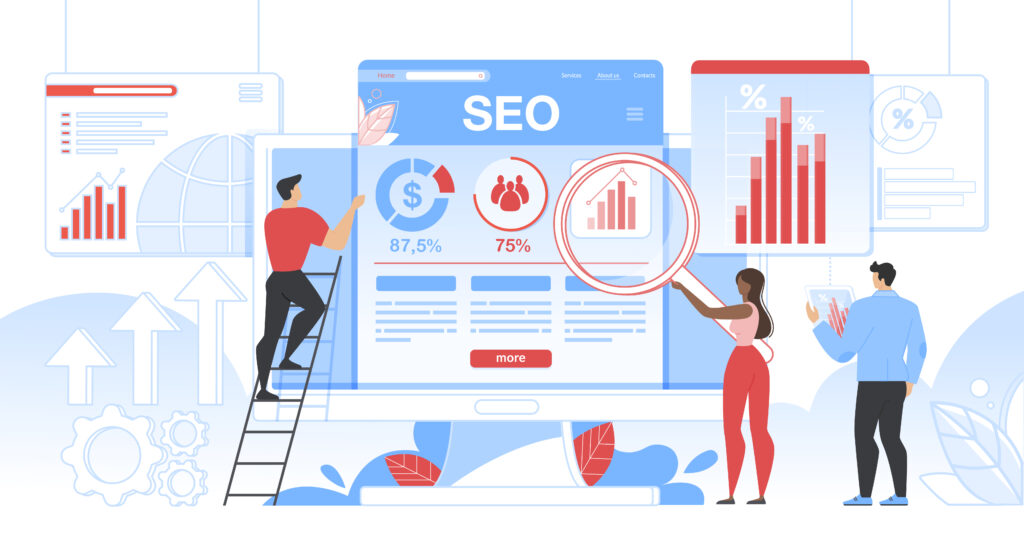
    Google’s SERP ranking algorithm is a complex and ever-evolving system that plays a crucial role in determining the search rankings of websites. With over 3.5 billion Google searches performed daily, understanding the algorithm is essential for businesses and website owners looking to attract organic traffic and improve their online visibility. Learn how the algorithm affects SEO, the benefits and challenges, and how to prepare for the changes. 

    What is Google’s New SERP Ranking Algorithm?

    Google is constantly updating its search algorithm to improve the quality and relevance of its search results, so there may have been updates since then.

    In general, Google uses a complex algorithm that takes into account hundreds of factors to determine the ranking of search results on its search engine results pages (SERPs). 

    Some of the key factors that Google considers include:

    1- Content relevance and quality: Google looks for high-quality content that is relevant to the user’s search query. This includes factors such as the presence of keywords in the content, the overall quality of the content, and the depth of information provided.

    2- User engagement signals: Google looks at how users interact with a website to determine its quality and relevance. This includes factors such as the time spent on a page, bounce rate, and click-through rate.

    3- Backlinks: Google considers the number and quality of external websites linking to a website to indicate its authority and relevance.

    4- Page speed: Google considers the speed at which a website loads as an important factor in determining its ranking. Faster-loading websites are generally preferred by users and are more likely to rank higher.

    5- Mobile-friendliness: Google places a high priority on websites that are optimized for mobile devices, as the majority of searches are now conducted on mobile devices.

    Overall, Google’s search algorithm is highly complex and constantly evolving, so it is difficult to provide a definitive answer to the question of what Google’s new SERP ranking algorithm is.

    How Does the Algorithm Affect SEO?

    SERP ranking algorithm

    Google’s search algorithm plays a critical role in determining how websites rank on the search engine results pages (SERPs). This, in turn, affects search engine optimization (SEO) strategies and tactics that businesses and website owners use to improve their website’s visibility and ranking on Google.

    The main way the algorithm affects SEO is by influencing the factors that are important for ranking on Google. For example, if Google places a higher priority on mobile-friendliness, websites that are optimized for mobile devices are more likely to rank higher. Similarly, if Google places a higher priority on content relevance and quality, websites that have high-quality content that is relevant to the user’s search query are more likely to rank higher.

    As a result, SEO strategies and tactics need to adapt to the changing algorithm to be effective. For example, in the past, SEO focused on keyword stuffing and building as many backlinks as possible. However, with Google’s focus on content quality and relevance, SEO now focuses on creating high-quality content that answers the user’s search query and provides value to the user.

    In addition, the algorithm’s constant evolution means that SEO is an ongoing process. Businesses and website owners need to stay up-to-date on the latest changes to the algorithm and adapt their SEO strategies accordingly to remain competitive in search rankings. This can include regularly updating content, optimizing for mobile devices, and building high-quality backlinks from relevant sources.

    Overall, the algorithm plays a significant role in shaping SEO and how websites rank on Google. Adapting to these changes is important for businesses and website owners who want to improve their online visibility and attract more traffic to their websites.

    What Are the Benefits of the Algorithm? 

    Google’s search algorithm has many benefits for both users and businesses. Here are a few of the main benefits:

    1- Improved Search Quality: One of the primary benefits of the algorithm is that it helps improve the quality of search results. By considering hundreds of factors, including relevance, quality, and user engagement, the algorithm helps ensure that the most relevant and high-quality results appear at the top of the search results pages.

    2- Better User Experience: The algorithm also helps provide a better user experience. It ensures that users can quickly find the information they are looking for. This can be achieved through relevant and high-quality results at the top of the SERPs, as well as prioritizing websites that are optimized for mobile devices and load quickly.

    3- Fair Competition: By prioritizing websites that provide value to users and are optimized for search, the algorithm helps ensure fair competition among businesses. This means that businesses that invest in high-quality content, user experience, and SEO have a better chance of ranking higher on Google.

    4- Increased Traffic and Sales: For businesses, the algorithm can provide significant benefits in terms of increased traffic and sales. By ranking higher on Google, businesses can attract more visitors to their websites, which can lead to increased leads, sales, and revenue.

    5- Improved Credibility: Finally, ranking higher on Google can also help improve a business’s credibility and authority in its industry. When a business appears at the top of the search results pages, it can be seen as a trustworthy and credible source of information, which can help build trust with potential customers.

    If you are looking for the Best Digital Marketing Agency for your Business please contact Bliss Marcom.
    Office Address in Noida.
  • How To Keep Your Brand Reputation Thriving On Social Media?

    This article provides tips on how to maintain a positive brand reputation on social media, including strategies to improve your reputation, engage with customers, and create content that resonates with your target audience. Learn how to keep your brand reputation thriving on social media.

    What is Brand Reputation? 

    Brand reputation is the overall opinion of a brand among customers, investors, and the general public. It’s built up over time through visibility, customer service, advertising, media presence, and other forms of communication – both intentional and unintentional. A company with a good reputation will be seen as reliable, trustworthy, as well as knowledgeable in the eyes of consumers and potential investors. On the other hand, one with a poor reputation will struggle to attract customers or secure partnerships. Having an understanding of your brand’s reputation is vital to ensuring that customers have a positive experience when interacting with your business.

    Why is Brand Reputation Important? 

    1- Attracts customers: A positive brand reputation attracts customers and encourages them to do business with the brand. Customers are more likely to choose a brand with a good reputation over a brand with a poor reputation.

    2- Builds trust: A positive brand reputation builds trust with customers, investors, and other stakeholders. Customers are more likely to trust a brand that has a good reputation for delivering high-quality products and services.

    3- Increases brand value: Additionally, a positive brand reputation increases the value of the brand. Customers are willing to pay more for products or services from a brand that they trust and perceive to have a good reputation.

    4- Enhances brand loyalty: A positive brand reputation enhances brand loyalty. Customers who have a positive experience with a brand are more likely to become repeat customers and recommend the brand to others.

    5- Reduces business risks: A positive brand reputation reduces business risks. A brand with a good reputation is less likely to face legal or regulatory issues, negative publicity, or damage to its reputation.

    6- Attracts top talent: A positive brand reputation attracts top talent. Job seekers are more likely to want to work for a company that has a good reputation for treating its employees well and being socially responsible.

    How to Monitor Your Brand Reputation 

    Brand reputation

    Here are some steps you can take to monitor your brand reputation:

    1- Set up Google Alerts: Google Alerts is a free tool that allows you to receive email notifications when your brand is mentioned online. You can set up alerts for your brand name, product name, and other relevant keywords. This will help you stay on top of any conversations happening about your brand online.

    2- Monitor social media: Social media platforms such as Twitter, Facebook, and LinkedIn are great places to monitor your brand reputation. Use social media monitoring tools such as Hootsuite, Sprout Social, or Buffer to monitor mentions, hashtags, and conversations about your brand. Respond to any negative feedback or reviews promptly and try to address the issues raised by customers.

    3- Monitor review sites: Review sites such as Yelp, TripAdvisor, and Google My Business are important sources of feedback and reviews for businesses. Monitor these sites regularly to see what customers are saying about your brand and respond to any negative reviews professionally and courteously.

    4- Conduct surveys: Conduct surveys to gather feedback from your customers about their experience with your brand. This will help you identify areas where you need to improve and make changes to your products or services.

    5- Monitor your competitors: Keep an eye on your competitors to see how they are positioning themselves in the market and how they are perceived by customers. This will help you stay competitive and make changes to your brand if necessary.

    6- Track metrics: Afterward, use analytics tools to track metrics such as website traffic, social media engagement, and customer sentiment. This will help you measure the effectiveness of your brand reputation management strategies and make data-driven decisions to improve your brand’s reputation.

    Strategies to Improve Your Brand Reputation 

    1- Be transparent: Transparency is key to building customer trust. Be honest about your products, services, and business practices. This includes being transparent about your pricing, policies, and any issues your business may be facing.

    2- Provide excellent customer service: Providing excellent customer service is crucial to building a positive brand reputation. Train your employees to be friendly, helpful, and responsive to customer inquiries and complaints.

    3- Deliver high-quality products and services: Delivering high-quality products and services is essential for building a positive brand reputation. Ensure that your products and services meet or exceed the expectations of the customers.

    4- Engage with your customers: Engage with your customers on social media, email, or other channels. This will help you build a relationship with your customers and show them that you care about their opinions.

    5- Monitor your online presence: Monitor your online presence to ensure that your brand is being portrayed in a positive light. Respond to any negative feedback or reviews promptly and try to address the issues raised by customers.

    6- Give back to the community: Giving back to the community is a great way to build a positive brand reputation. This can include sponsoring local events, donating to charitable causes, or volunteering in the community.

    7- Build relationships with influencers: Building relationships with influencers in your industry can help you reach a wider audience and build a positive brand reputation. Identify influencers who align with your brand values and collaborate with them on content or marketing campaigns.

    Conclusion

    Social media has become a critical platform for businesses to reach their target audience, build brand awareness, and engage with customers. However, it can also be a double-edged sword, as negative comments or feedback on social media can quickly damage a brand’s reputation.

    To keep your brand reputation thriving on social media, it’s essential to monitor your social media channels regularly and respond promptly to any negative comments or feedback. You should also engage with your followers by creating and sharing high-quality content that resonates with them.

    Building trust and transparency with your audience by being authentic, honest, and responsive is also crucial to maintaining a positive brand reputation on social media. You can achieve this by delivering high-quality products and services, providing excellent customer service, and actively engaging with your audience.

    Additionally, it’s crucial to establish clear guidelines for social media use for your employees to ensure that their actions align with your brand’s values and image. Finally, staying up-to-date with the latest social media trends and incorporating them into your social media strategy can help your brand stay relevant and engaging to your audience.

    Yet by implementing these strategies, you can keep your brand reputation thriving on social media and build a loyal customer base that supports and advocates for your brand.
    If you need the Best Social media Marketing Agency for your Business please contact Bliss Marcom.
    Office Address in Noida.

  • It’s Time to Expand Your Business with Instagram Marketing

    In today’s digital age, Instagram has become a powerhouse platform for businesses to showcase their brand as well as to connect with customers. With so many businesses vying for attention on Instagram, it’s important to have a solid marketing strategy in place to stand out from the competition. In this blog, we’ll explore the key components of a successful Instagram marketing campaign, from optimizing your profile to creating engaging content, and share tips on how to leverage the platform to grow your business.

    Do You Know What is Instagram Marketing?

    Instagram marketing is the practice of using the social media platform, Instagram, to promote a product or service, and also to build a brand’s online presence.

    With over a billion active users, the photo-sharing app has evolved beyond just a social media platform and into a marketing tool that can help businesses increase brand awareness, drive website traffic, and boost sales. 

    Ways in which Instagram is Regarded Beneficial for Businesses

    You know what, Instagram can help businesses in several ways, including:

    1. Increased brand visibility: By creating an Instagram account, businesses can increase their brand’s visibility and reach a larger audience.
    2. Direct communication with customers: Instagram provides businesses with a platform to directly communicate with their customers, allowing them to build stronger relationships and provide better customer service.
    3. Targeted advertising: Instagram’s advertising platform allows businesses to target their ads to specific audiences, increasing the effectiveness of their marketing campaigns.
    4. Showcasing products/services: Instagram’s visual nature makes it an excellent platform for showcasing products or services, which can help businesses attract new customers.
    5. Building a community: Instagram can help businesses build a community of followers who are interested in their brand and engage with their content, creating brand loyalty and advocacy.

    Steps For Creating an Instagram Business Page

    Now you are well known about Instagram marketing and how Instagram can result in benefits for your business so after that you might be wondering how you should create an Instagram business page to get started in Instagram marketing. To create an Instagram business page, follow these steps:

    1. Sign up for an Instagram account or convert your account to a business account.
    2. Click the three horizontal lines in your profile’s top right corner.
    3. Tap “Settings.”
    4. Tap “Account.”
    5. Tap “Switch to Professional Account.”
    6. Select “Business” and follow the prompts to connect your Facebook page (if you have one) or create a new one.
    7. Once your Facebook page is connected, make sure your Instagram profile is set up with all relevant business information, including contact information and a bio.
    8. Start creating content and engaging with your followers to build your brand and grow your business on Instagram.

    Note: Make sure you have a clear understanding of Instagram’s business policies and guidelines to avoid violating any rules or restrictions.

    How to Generate Leads Through Instagram?

    Instagram

    To generate leads with the help of Instagram you should optimize your bio and profile. Ensure your bio is clear and concise, as well as includes a strong call-to-action (CTA) that directs visitors to take action and use relevant hashtags to reach a wider audience as well as to attract potential customers and post engaging content. Share visually appealing and informative content that aligns with your brand and audience’s interests, and utilize Instagram stories. Post BTS clips of the videos to engage more customers. Also to partner with influencers. Collaborate with influencers in your industry to reach their followers and drive leads to your page.

    And lastly, engage with your audience, and respond to comments and messages to build relationships and establish trust with potential leads.

    Tips to Get Started with Instagram Marketing

    1. Set up a business account: Make sure to create a business account to get access to analytics and other features that are not available on personal accounts.
    2. Define your target audience: Determine who your target audience is, what they are interested in, and what type of content they respond to.
    3. Create a content strategy: By deciding on the type of content you will post, plan your content strategy, the frequency of your posts, and the overall aesthetic of your feed.
    4. Use hashtags: Use relevant hashtags in your posts to reach a wider audience and to make it easier for people to find your content.
    5. Engage with your followers: Respond to comments, DMs, and mentions, and actively engage with your followers to build a community and foster brand loyalty.
    6. Collaborate with influencers: Consider collaborating with influencers in your niche to reach a larger audience and build credibility for your brand.
    7. Use Instagram ads: Consider using Instagram ads to reach a larger audience and to promote specific products or services.

    Remember, consistency is key when it comes to Instagram marketing. Stay committed to your content strategy and engage with your followers to build a strong brand presence on the platform.

    Conclusion

    So finally, in conclusion, Instagram can be a highly effective platform for businesses to reach and engage with their target audience. To succeed on Instagram, businesses should focus on creating high-quality visual content, using relevant hashtags, and also engaging with their followers. By following these best practices, businesses can increase their brand awareness, drive more traffic to their website, and ultimately boost their sales. However, it’s important to stay up-to-date with the latest Instagram trends and algorithm changes and to adjust your strategy accordingly. Moreover, Instagram can be a valuable tool for businesses looking to grow and succeed in today’s digital age.

    If you are looking for the Best Instagram Marketing Agency for your Business please contact Bliss Marcom.
    Office Address in Noida.

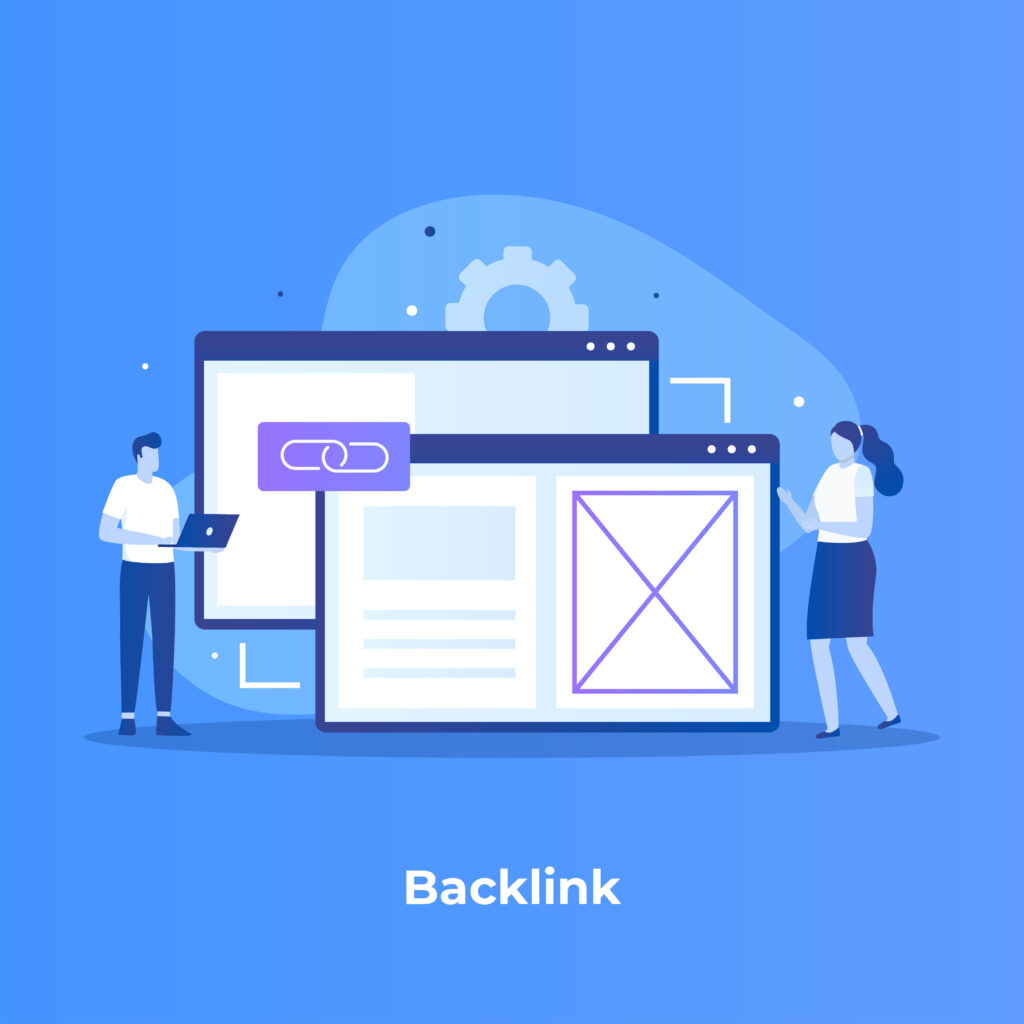
  • Complete Reference on Backlinks & Their Significance for SEO

    Backlinks are the backbone of SEO, and they play a critical role in determining your website’s search engine ranking. In this blog, we’ll take a deep dive into what backlinks are, why they’re important, and how you can use them to improve your website’s ranking.

    What are Backlinks?

    Links that take visitors from one website to another are known as backlinks. Think of backlinks as a validation of content or an endorsement through another reputable source. Essentially, they help search engines understand how valuable and credible your website is. Backlinks can be gained organically through creating high-quality content that other websites want to reference and link to or through outreach efforts in which you reach out to other websites and pitch them on the value of linking back to your site. 

    While backlinking can help improve your ranking on search engine result pages, it’s important not to game the system or try to manipulate rankings with spammy links – this approach will do more harm than good and even search engines penalize or ban these.

    Why are Backlinks Important for SEO?

    When it comes to SEO, backlinks are undoubtedly a crucial factor that cannot be overlooked. Search engines regarded these links as a vote of confidence and trust, which ultimately leads to higher rankings on the search engine results page (SERP). 

    1- Backlinks play a significant role in determining the authority of a website. Search engines consider the number of quality links that point to a website as a sign of its credibility and value. Thus, the more backlinks a website receives, the more authoritative it becomes in the eyes of search engines. The logic behind this is simple – if multiple websites are linking to a particular site, it must be providing something valuable and relevant to its audience.

    2- Backlinks help search engines understand the relevance and context of a website. Search engines use crawlers to analyze and index web pages with these links. A backlink from a relevant and trustworthy website tells search engines that the content on your site is valuable and relevant to the topic. This, in turn, leads to your website ranking higher in search results pages in response to specific keywords. 

    3- Backlinks help drive referral traffic from other websites. When other websites link back to your site, it can increase the possibility of referral traffic. Referral traffic arrives from other websites, and it is an essential factor for any online business to succeed. Referral traffic can result in increased conversions and sales for an online business. 

    4- Backlinks are an essential factor in off-page optimization. Off-page optimization deals with external factors that affect the website’s rankings. Backlinks fall under the category of off-page optimization, which means that they are vital for improving a website’s ranking.

    5- High-quality backlinks help build relationships with bloggers and other webmasters. Building a good relationship with other webmasters and site owners can result in numerous advantages, such as getting more high-quality backlinks. Collaborating with webmasters and bloggers can help generate valuable content and increase the chances of obtaining high-quality backlinks.

    Types of Backlinks

    Backlinks

    There are several types of backlinks:

    1- Natural Backlinks: These are links that occur organically without any effort on your part. Your material is significant enough to other websites that they link to it.

    2- Editorial backlinks: These are hyperlinks that are incorporated into the text of an article or blog post. These links are often included because the website owner believes that the content on the linked page is relevant and valuable to their readers.

    3- Guest Post Backlinks: These are links that are included within a guest post that you have written for another website. The link is usually included in the author’s bio or within the body of the article.

    4- Forum Backlinks: These are links that are included within forum posts or comments. These links can be valuable for SEO if the forum is relevant to your niche.

    5- Social Media Backlinks: These are links that are included within social media posts or profiles. While these links are often no-follow, they can still help to drive traffic to your website.

    6- Directory Backlinks: These are links that are included within online directories. While directory links are not as valuable as they used to be, they can still help to improve your website’s SEO.

    7- Image Backlinks: These are links that are included within the alt text of an image. While these links are not as valuable as other types of backlinks, they can still help to improve your website’s SEO.

    How to Build Quality Backlinks

    Building quality backlinks is an important part of SEO, as they can help to increase your website’s visibility and rankings in search engine results pages. 

    Here are some tips for building quality backlinks:

    1- Create high-quality content: The best way to attract backlinks is to create high-quality content that is useful, informative, and engaging. If your content is valuable and relevant, other websites are more likely to link to it.

    2- Guest posting: Guest posting on other relevant websites is a great way to build quality backlinks. When you contribute a guest post, you can include a link back to your website in your author bio or within the body of the article.

    4- Broken link building: Broken link building involves finding broken links on other websites and offering to replace them with links to your content. This strategy can be effective if you find broken links on high-authority websites.

    5- Resource link building: Resource link building involves creating a valuable resource, such as an infographic or a comprehensive guide, and then promoting it to relevant websites. If your resource is useful and informative, other websites are more likely to link to it.

    6- Social media promotion: Promoting your content on social media can help to attract backlinks. If your content is valuable and relevant, other websites may link to it after seeing it on social media.

    7- Linking to others: Linking to other relevant websites can also help to attract backlinks. When you link to other websites, they may reciprocate to your website.

    Common Mistakes to Avoid When Building Backlinks

    Here are some mistakes to avoid when building backlinks:

    1- Using spammy tactics: Avoid using spammy tactics such as buying links, participating in link schemes, or using automated link-building tools.  Search engines penalize these strategies and hurt their SEO.

    2- Focusing only on quantity: It’s important to focus on building high-quality, relevant backlinks, rather than just focusing on quantity. A few high-quality backlinks from authoritative websites can be more valuable than many low-quality backlinks.

    3- Ignoring relevance: Make sure that the websites you are getting backlinks from are relevant to your niche and audience. Backlinks from irrelevant websites may not provide much value for your SEO.

    4- Neglecting anchor text: Anchor text is the text that is used to create a hyperlink. It’s important to use relevant, descriptive anchor text for your backlinks, rather than using generic phrases such as “click here”.

    5- Overusing exact match anchor text: While anchor text is important, it’s also important to avoid overusing exact match anchor text. This can look spammy to search engines and harm your website’s SEO.

    6- Focusing only on homepage links: It’s important to build backlinks to multiple pages on your website, not just your homepage. This can help to improve the overall authority and ranking of your website.

    7- Not monitoring backlinks: It’s important to regularly monitor your backlinks to ensure that they are still alive and relevant. If you find any low-quality or irrelevant backlinks, take steps to remove them.

    If you are looking for the Best Digital Marketing Agency for your Business please contact Bliss Marcom.
    Office Address in Noida.
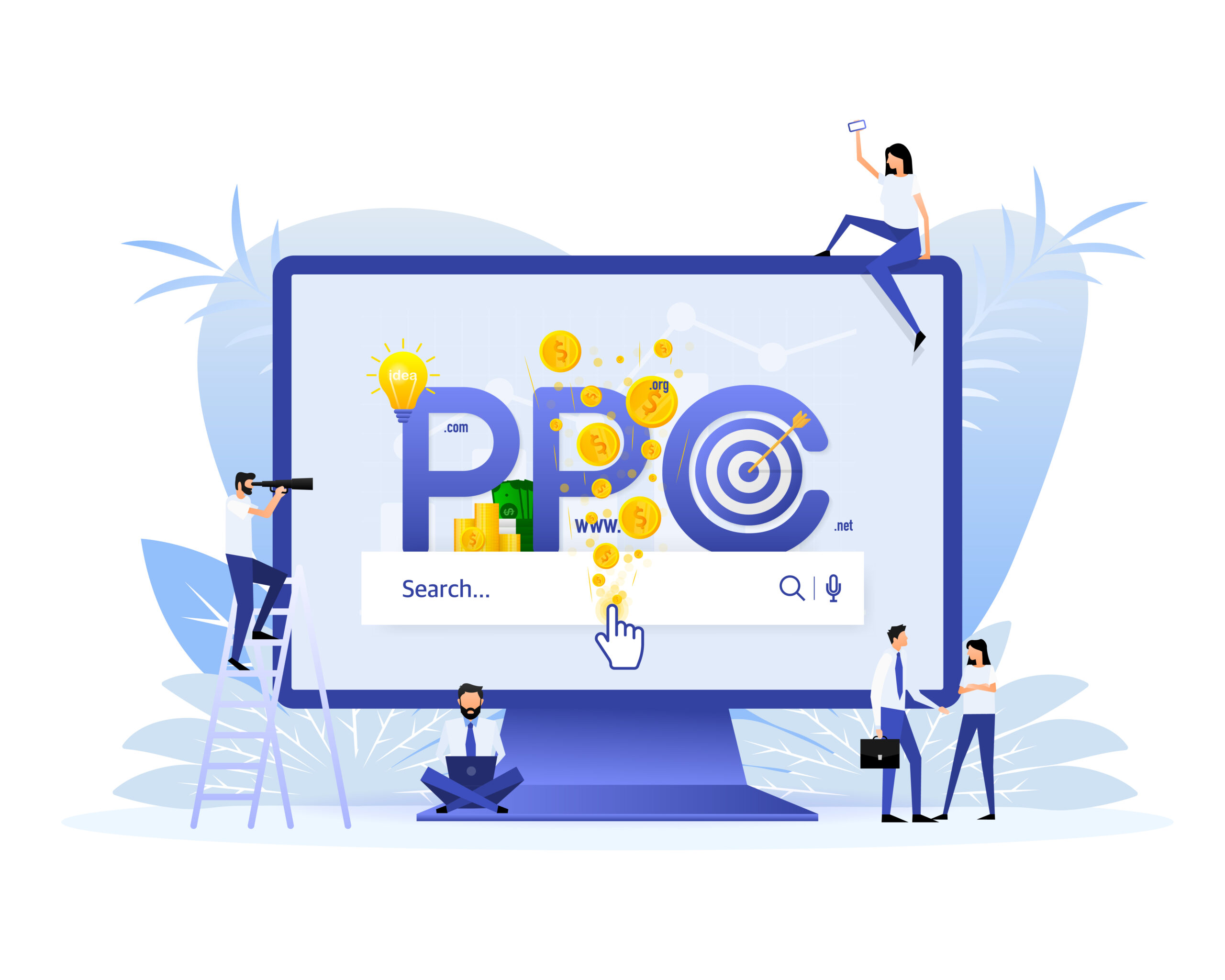
  • PPC vs. SEO: Which is Better for Your Business?

    Do you still confused about making a decision that which strategy to use, PPC or SEO in your marketing campaign? This question remains the same – which is better? In this blog post, we will understand both the strategies, their pros and cons, and lastly will discuss which one is more effective for your business.

    PPC and SEO: Introduction

    In the world of digital marketing, there are two key strategies that every business owner should understand to help drive traffic to their website: Pay-per-click (PPC) advertising and Search engine optimization (SEO).

    PPC advertising is a form of online advertising that allows businesses to place ads on search engine result pages (SERPs), social media platforms, and other websites. The business pays a fee each time a user clicks on their ad, hence the term “pay-per-click”. PPC campaigns are typically managed through platforms such as Google Adwords or Facebook Ads.

    On the other hand, SEO is the practice of optimizing a website to improve its ranking on search engine result pages. This is important because the majority of internet users rely on search engines like Google to find the products and services they need. By optimizing their website for search engines, a business can ensure that their website appears in relevant search results, making it easier for potential customers to find them.

    Pros and Cons of PPC Advertising

    Pros of PPC Advertising:

    1- Targeted advertising: With PPC advertising, you can target specific keywords, demographics, geographic locations, and even the time of day when your ads are shown. The proper audience can be reached at the right moment because of this.

    2- Control over ad spend: You can set your daily or monthly budget, and you won’t pay more than that amount. This allows you to have control over your ad spend and ensures you won’t overspend.

    3- Immediate results: Unlike SEO, which can take months to see results, PPC advertising can start driving traffic to your website immediately.

    4- Measurable results: PPC advertising platforms provide detailed analytics, allowing you to track the performance of your campaigns and measure the ROI of your ad spend.

    5- Flexibility: PPC advertising is very flexible, allowing you to adjust your campaigns in real-time, change ad copy, and test new keywords or ad formats.

    Cons of PPC Advertising:

    1- Cost: PPC advertising can be expensive, especially for highly competitive keywords. You may need to bid a lot of money so that your ad is reachable to your target audience.

    2- Competition: Depending on your industry, you may face a lot of competition for keywords, making it difficult to stand out and get clicks.

    3- Click fraud: Click fraud is when someone clicks on your ad with no intention of actually purchasing your product or service. Reduced ROI and wasted ad expenditure may result from this.

    4- Ad fatigue: If you run the same ad for a long time, users may become immune to it and stop clicking, leading to lower CTR and wasted ad spending.

    5- Requires constant monitoring: PPC advertising requires constant monitoring and adjustment to ensure optimal performance. If you don’t keep a close eye on your campaigns, you could be wasting money on ineffective ads.

    Pros and Cons of SEO Optimization 

    Pros of SEO Optimization:

    SEO

    1- Increased visibility: With SEO, you can improve your website’s ranking in search engine results pages, leading to increased visibility and traffic to your website.

    2- Cost-effective: SEO can be cost-effective compared to other forms of online advertising such as PPC. Once you’ve invested in optimizing your website, the ongoing maintenance and updates are typically less expensive than paid advertising.

    3- Increased credibility: Users find that website more credible that ranks highly in search results, leading to increased trust in your brand.

    4- Long-term results: Unlike PPC advertising, where traffic stops flowing as soon as you stop paying, the results of SEO can last for a long time, providing ongoing traffic and revenue.

    5- Better user experience: SEO requires optimizing your website for both search engines and users. This can lead to a better user experience, faster page load times, and improved navigation.

    Cons of SEO Optimization: 

    1- Slow results: SEO can take time to show results, sometimes taking several months to see a significant increase in traffic and rankings.

    2- Constant algorithm changes: Search engine algorithms are constantly changing, which means SEO requires ongoing maintenance and updates to ensure your website stays optimized.

    3- Competition: Depending on your industry, you may face a lot of competition for high-ranking keywords, making it difficult to rank on the first page of search results.

    4- Limited control over ranking factors: While you can optimize your website for SEO, ultimately, search engines have the final say over where your website ranks in search results.

    5- Potential for penalties: Black-hat SEO tactics such as keyword stuffing or buying backlinks can lead to penalties and even complete removal from search results.

    PPC or SEO: Which One is Right for Your Business?

    Whether PPC or SEO is right for your business depends on various factors, such as your budget, marketing goals, and target audience. 

    Here are some considerations to help you decide which one is best for your business.

    1- Budget: If you have a limited budget, SEO may be a better option, as it involves optimizing your website and content for search engines, which doesn’t require you to pay for each click or impression. On the other hand, PPC involves paying for every click, and the cost per click can vary depending on various factors such as keywords, competition, and ad quality.

    2- Marketing goals: If you want to drive immediate traffic and conversions to your website, PPC may be a better option as it can deliver faster results compared to SEO, which can take time to generate organic traffic and rankings. However, if you want to establish long-term visibility and authority for your website, SEO may be a better option, as it can help improve your website’s ranking and organic traffic over time.

    3- Target audience: If your target audience is more likely to use search engines to find products or services similar to yours, SEO may be a better option, as it can help your website appear in search results when users search for relevant keywords. However, if your target audience is more active on social media or other online platforms, PPC may be a better option, as it can help you reach them through targeted ads.

    Both PPC and SEO can be effective marketing strategies for businesses, and the decision to choose one over the other depends on your specific business needs and goals. It’s also worth noting that integrating both PPC and SEO can help you achieve a more comprehensive and effective online marketing strategy.

    If you are looking for The Best Digital Marketing Agency for your Business please contact Bliss Marcom.
    Office Address in Noida.
  • Upcoming Projections for Social Media Marketing in 2023

    As we move further into 2023, the world of digital marketing is evolving rapidly, and social media is no exception. With new trends, technologies, and platforms emerging daily, it can be challenging to keep up with the latest developments. In this blog post, we’ll dive into the top predictions for the future of social media marketing and explore how businesses can stay ahead of the curve. Get ready to discover the future of social media marketing and revolutionize your digital strategy!

    What Exactly is Social Media Marketing?

    Social media marketing refers to the use of social media platforms for product or service promotion. It involves creating and sharing content that attracts and engages an audience to build brand awareness, increase website traffic, and drive sales. Social media marketing can take many forms, including posting photos and videos on Instagram, tweeting on Twitter, creating blog posts on LinkedIn or Facebook, and even partnering with influencers.

    An effective social media marketing strategy requires a deep understanding of the target audience, knowledge of platform algorithms, creativity, and consistent effort.

    The Rise of Video Content

    The rise of video content has already transformed the marketing industry, and it is emerging as the future of social media marketing. The effectiveness of videos in grabbing the audience’s attention and retaining their interest is undeniable. Videos are also ideal for telling stories and creating emotional connections with potential consumers, which are essential for building brand loyalty. Moreover, the popularity of social media platforms like Youtube and TikTok, which are based solely on video content, highlights the importance of video marketing in today’s world.

    Social media platforms like Facebook, Twitter, Instagram, and LinkedIn have also recognized the importance of video marketing and have adopted their algorithms to prioritize video content. Furthermore, this has resulted in more reach and engagement for businesses that use video marketing than those that stick to traditional advertising methods.  

    The Emergence of Augmented Reality

    The emergence of augmented reality (AR) has opened up a whole new world of opportunities for social media marketing as well as for overall digital marketing. AR allows for a more immersive and interactive experience, which can help brands engage with their target audience in a deeper and more meaningful way. Through AR, social media users can explore products and services in real time, view them from different angles, and even try them out virtually.

    AR has also enabled brands to create personalized experiences for their customers. For example, makeup brands can use AR to allow users to see how a particular shade of lipstick would look on their faces, or furniture brands can use AR to enable customers to see how a piece of furniture might appear in their space before purchasing. The possibilities are endless and as technology continues to advance, the opportunities for AR in social media marketing will only continue to grow.  

    The Importance of Personalization

    The importance of personalization in the future of the social media market cannot be overemphasized. In recent years, social media has grown to become an integral part of our daily lives, with billions of people using it regularly. Personalization is a key element of social media that makes it unique and appealing to users. It involves customizing content, recommendations, and preferences for individual users, based on their interests, behavior, and browsing patterns. With personalized social media experiences, users can engage more deeply with content,  connect better with like-minded people, and ultimately derive more value from the platform.

    As we move into the future, the social media market is expected to become more competitive, with new players entering and existing ones expanding their offerings. Personalization will become a key differentiator that will determine the success of social media companies. Those that can deliver customized experiences that meet the unique needs and preferences of their users will be the ones that thrive. The personalized social media experience will not only benefit users but moreover, it also brands and advertisers, who will be able to target their marketing efforts more effectively based on user’s preferences and behaviors.    

    The Growing Significance of Influencer Marketing

    Influencer marketing has become an increasingly popular form of advertising over the past few years, and it is growing at an unprecedented rate too. This marketing strategy has been widely adopted by businesses of all sizes and industries to reach a wider audience and increase their brand awareness. This is because influencer marketing capitalizes on the trust and loyalty that influencers have built up with their followers, allowing businesses to leverage that trust to increase their credibility and visibility. 

    As social media continues to dominate the digital landscape, influencer marketing is expected to become even more important and trending in the coming years. This is because social media platforms like Instagram and TikTok are ideal for influencer marketing due to their highly visual and shareable nature. Additionally, younger generations are increasingly turning to social media for their news and entertainment, making influencer marketing an effective way to reach this demographic. With the continued growth of social media, there is no doubt that influencer marketing will play an even bigger or equally important role in shaping the future of the social media market.

    How Businesses Can Stay Ahead of the Curve?

    Social Media Marketing

    Moreover, staying ahead of the curve in social media marketing requires continuous learning, experimentation, and adaptation. 

    Here are some pointers to keep you one step ahead of the competition and win the strategy game:

    1- Stay up-to-date with industry trends: Follow reputable sources, attend industry events, and keep an eye on emerging technologies to stay on top of the latest trends in social media marketing.

    2- Experiment with new platforms and features: Don’t be afraid to try new social media platforms or features as they emerge. Experimentation is key to staying ahead of the curve and finding what works for your business.

    3- Personalize your approach: Consumers are looking for personalized experiences, so it’s equally important to tailor your social media marketing strategy to your target audience. Use data analytics to understand your audience better and create personalized content that resonates with them.

    4- Be agile and adaptable: Social media is constantly evolving, and so should your marketing strategy. Be prepared to pivot quickly and adapt to new trends, algorithms, and platforms as they arise.

    5- Collaborate and network: Networking with other professionals in the industry can help you stay on top of the latest trends and gain valuable insights into what’s working for others. Finally, consider collaborating with other brands or influencers to expand your reach and build your brand.

    If you are looking for the Best Social media Marketing Agency for your Business please contact Bliss Marcom.
    Office Address in Noida.
  • How a Startup Company can get beneficial services from a Digital Marketing Agency

    Day by day, several startup company are opening all over the worldwide market. But not everyone can stand in their way for an extended period. Only those companies are running dominantly, those who partner with an excellent digital marketing agency. So, you have to have a good digital marketing agency to be a champion in your target market.


    In this writing, let’s find out how you can get a professional Marketing Strategy for a Startup with beneficial services from a digital marketing agency.


    They can build the best-designed Website

    If you are starting a business in Delhi, then you must need a good website to attract your target audience from the first day. Whether you are capable of building a website, that Website never contains the professional touch that a digital marketing company only provides. 


    They have the best design team to design your Website perfectly. You could have made your own choices to have a more lucrative designing website. Or else, they can collage with your ideas to create a frequent design. They can build many intelligent tools for your Website that your viewers cannot even think about jumping on any other website by ignoring you. This is also the top Marketing Strategy for a Startup Company


    They do the best Content Marketing

    After the building of a good website, everyone looks for beautifully written content on there. You can never write the strategic content for your well-built Website. Only a digital marketing company with the best content marketing team can perform this job. They contain the top content writing team with the knowledge of SEO; that’s why they can write the appropriate content that suits your Website according to your business’s core product. 


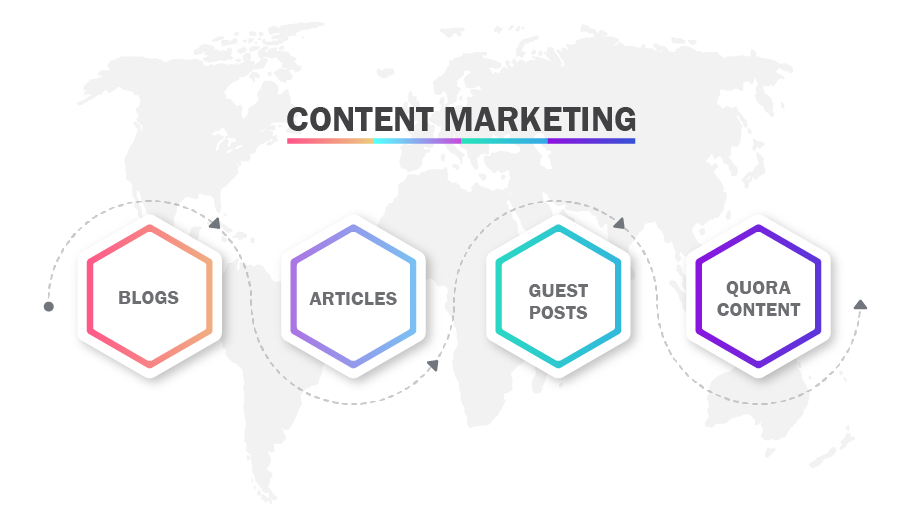
    They write Blogs, Articles, Guest posts, and Quora content that makes your Website more up to the mark to your target audience. Always remember that “Website is the face of your business and Content is the makeup of it“. So when your makeup is done correctly, everyone wants to have it with you. So this is another top way of Digital marketing for a startup company.

     They-do-the-best-Content-Marketing

    They do the top SEO

    Besides Website and content marketing, SEO is also the top digital marketing way for a Startup. SEO stands for Search Engine Optimization. It is a vital marketing way to make your Website more visible on the Google page. The top is SEO teams of good digital marketing companies always do the best SEO for your Website. 


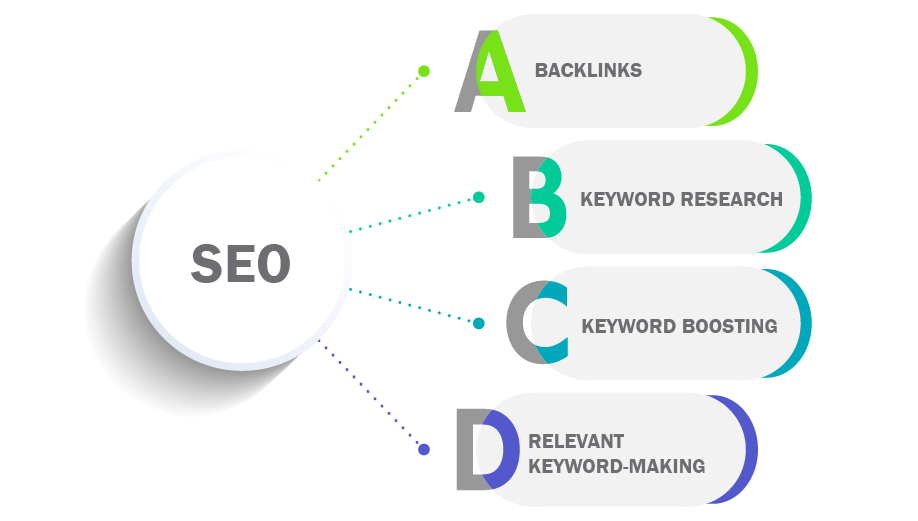
    They create backlinks, keyword research, keyword boosting, and relevant keyword-making for your Website. So that your Website can reach the top of the Google page in ranking, top SEO marketing companies know the core area of SEO, and they do search engine marketing with top SEO techniques by which your Website will reach Google page one or two within a short period. 

    They-do-the-top-SEO

    They do the best PPC Marketing

    PPC means Pay-Per-Click. What does it provide you? Well, It gives your Website a per-click view every time. That means you need to provide only the payment per click. So, if no one clicks, there are no payment reductions. 


    A good PPC Marketing agency always uses the appropriate Meta Tag and Meta Description for your Website so that only your target audience will view you more as you don’t need random viewers for this area. They do Affiliate Marketing simultaneously, so your brand reaches every audience besides the online space. Affiliate marketing spreads your brand products to everyone with the help of social media networks, offline communication, and other various ways. 


    This is a fundamental Marketing Strategy for startups


    They do the best SMO

    Top social marketing agencies of Delhi do the best SMO for startups. SMO means Social Media Optimization. The name is giving the half clarification. In the world of today, you need to have more than 3-4 social media profiles on the top social media channels. 


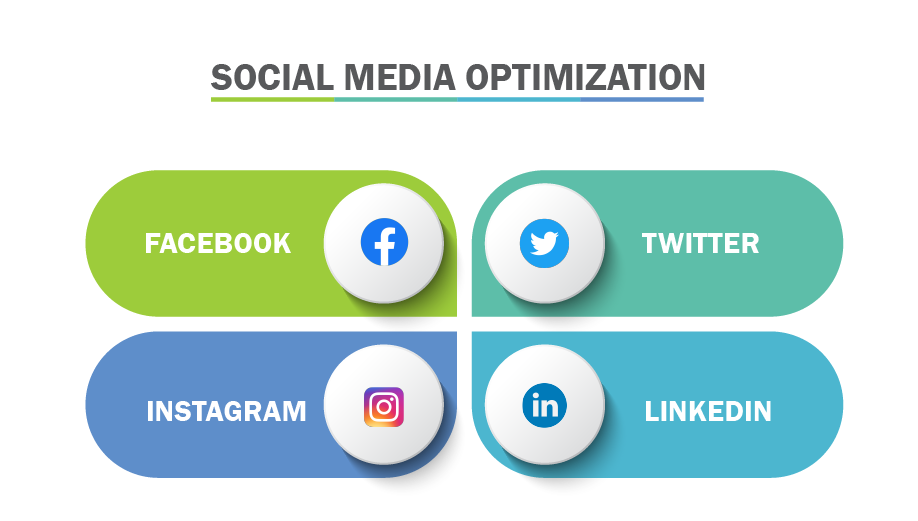
    Today’s top social platforms are Facebook, Twitter, Instagram, and LinkedIn. So, if you want to reach your brand to the top, you need to influence more people through social media because everyone today passes their time on social channels rather than offline. 


    The top SMO firms make great Reels, Social Media tags with beautifully written copies, and Influential small contests on popular social channels to attract and engage more people to be with your brand. 


    So, these are some top ways that you can use to get more possible results from the leading digital marketing for your Startup company.

    They-do-the-best-SMO

    If you are looking for best Digital Marketing Agency for your Business please contact Bliss Marcom.
    Office Address in Noida.