Category: Website

  • How Can I Optimize My Website for Mobile Users?

    Nowadays, mobile devices have become an integral part of our lives. With the majority of internet users accessing websites through smartphones and tablets, it is crucial for businesses and website owners to optimize their sites for mobile users. Mobile optimization ensures that your website is user-friendly, visually appealing, and fully functional on smaller screens. In this article, we will explore the key strategies and best practices to help you optimize your website for mobile users.

    1. Responsive Web Design:

    Responsive web design is the foundation of mobile optimization. It involves creating a website that automatically adjusts its layout and content to fit different screen sizes and resolutions. A responsive website provides an optimal viewing experience across a wide range of devices, from smartphones to large desktop monitors.

    By implementing responsive design, you can eliminate the need for spate mobile and desktop versions of your site, making it easier to manage and ensuring a consistent user experience.  

    To achieve a responsive design, use CSS media queries to adapt the layout, fonts, images, and other elements based on the users’ device. Make sure your website’s content and features are accessible and readable without the need for excessive zooming or scrolling. This includes using legible font sizes, spacing out touch targets for easy navigation, and resizing images to fit smaller screens.

    2. Streamline Your Content:

    Mobile users have limited screen space and shorter attention spans, so it’s essential to streamline your content for optimal mobile browsing. Start by prioritizing the most important information and placing it prominently on the page. Remove any unnecessary elements, such as excessive images, ads, or complex animations that distract users from your main content.

    Break up long paragraphs into shorter, digestible chunks, and use subheadings and bullet points to make your content scannable. Remember that mobile users often skim through content, so make sure your key points are easy to identify. Additionally, use clear and concise calls-to-action (CTAs) to guide users toward desired actions, such as signing up for a newsletter or making a purchase.

    3. Optimize Page Load Speed:

    Page load speed is crucial for mobile optimization. Slow-loading pages can frustrate users and lead to high bounce rates. To optimize your website’s load time, consider the following:

    • Compress and optimize images: Large image files can significantly slow down page load speed. Compress images without sacrificing quality using tolls like TinyPNG or Kraken.io.
    • Minify CSS and JavaScript: Remove unnecessary spaces, line breaks, and comments from your CSS and JavaScript to reduce their file size.
    • Enable browser caching: Leverage browser caching to store certain website files on users’ devices, allowing subsequent visits to load faster.
    • Use a content delivery network (CDN): CDNs distribute your website’s files across multiple servers worldwide, reducing latency and speeding up content delivery.
    • Limit the use of plugins and external scripts: Excessive plugins and external scripts can add additional HTTP requests and slow down your website. Only use essential plugins and scripts and regularly review their performance impact.

    4. Implement Mobile-Friendly Navigation:

    Navigation plays a crucial role in a user’s mobile browsing experience. Ensure your website’s navigation is user-friendly and easy to use on smaller screens. Consider the following best practices:

    • Use a simplified menu: Use a hamburger menu (a collapsible menu represented by three horizontal lines) to hide the navigation options and declutter the screen. This allows users to access the menu when needed.
    • Opt for sticky navigation: Implement sticky navigation, where the menu remains fixed at the top or bottom of the screen as users scroll. This ensures easy access to navigation options at all times.
    • Use intuitive icons: Replace text-based navigation links with intuitive icons where appropriate. Familiar icons like home, search, and shopping cart can enhance the user experience and save screen space.
    • Provide a search bar: Include a search bar prominently on your mobile site to help users find specific content quickly. Make sure the search functionality is optimized for mobile devices.

    5. Test and Optimize for Different Devices and Browsers:

    Not all mobile devices and browsers are created equal. It’s crucial to test your website’s performance and appearance on a variety of devices, screen sizes, and operating systems. Conduct regular testing to ensure your website is fully functional and visually appealing across different platforms.

    Consider using responsive design testing tools or emulators to preview your website on various devices. Additionally, test your website’s performance using tools like Google PageSpeed Insights or GTmetrix to identify potential issues and optimize load speed.

    6. Prioritize Mobile SEO:

    Mobile optimization goes hand in hand with search engine optimization (SEO). Mobile-friendly websites are more likely to rank higher in search engine results pages, leading to increased organic traffic. Here are some mobile SEO best practices:

    • Ensure your website is mobile-friendly: Implement responsive design, as mentioned earlier, to create a mobile-friendly website that Google can crawl and index easily. 
    • Optimize page titles and meta descriptions: Craft concise and compelling page titles and meta descriptions that accurately reflect your content and encourage users to click through from search results.
    • Improve mobile page speed: As discussed earlier, optimize your website’s load speed to improve user experience and increase your chances of ranking higher in search results.
    • Use structures data markup: Implement structured data markup to provide search engines with additional information about your content, such as reviews, ratings, and product details. This can enhance your website’s visibility in search results and attract more targeted traffic.

    Conclusion:

    Optimizing your website for mobile users is essential to provide an optimal browsing experience, improve user engagement, and boost your search engine rankings. By implementing responsive designing, streamlining content, optimizing page load speed, improving navigation, testing across devices, and prioritizing mobile SEO, you can create a user-friendly and successful mobile website that meets the needs and expectations of your mobile audience.
  • Front-End vs. Back-End Development: What’s the Difference?

    Websites consist of two parts: the front end vs. Back end development. While they might sound self-explanatory, understanding the nuances of their roles and the technologies they involve is essential for anyone looking to dive into the world of programming and development. In this blog, we will discuss the differences between Front-End and Back-End Development.


    What Is Front-End vs. Back-end Development?

    Front-end development, often referred to as client-side development, is the practice of creating the user interface and user experience that end-users interact with directly. It involves designing and implementing the visual aspects of websites and applications, including layout, colors, typography, buttons, and interactive elements.

    Front-end developers are responsible for bringing to life the designs created by UX/UI designers. They use technologies like HTML (Hypertext Markup Language), CSS (Cascading Style Sheets), and JavaScript to build responsive and visually appealing interfaces. HTML structures the content, CSS styles it and JavaScript adds interactivity and dynamic behavior.

    Modern front-end development has evolved significantly with the advent of various frameworks and libraries. Frameworks like React, Angular, and Vue.js provide developers with tools to efficiently manage complex user interfaces and update components without reloading the entire page. These tools facilitate the creation of Single Page Applications (SPAs), where content updates occur seamlessly.


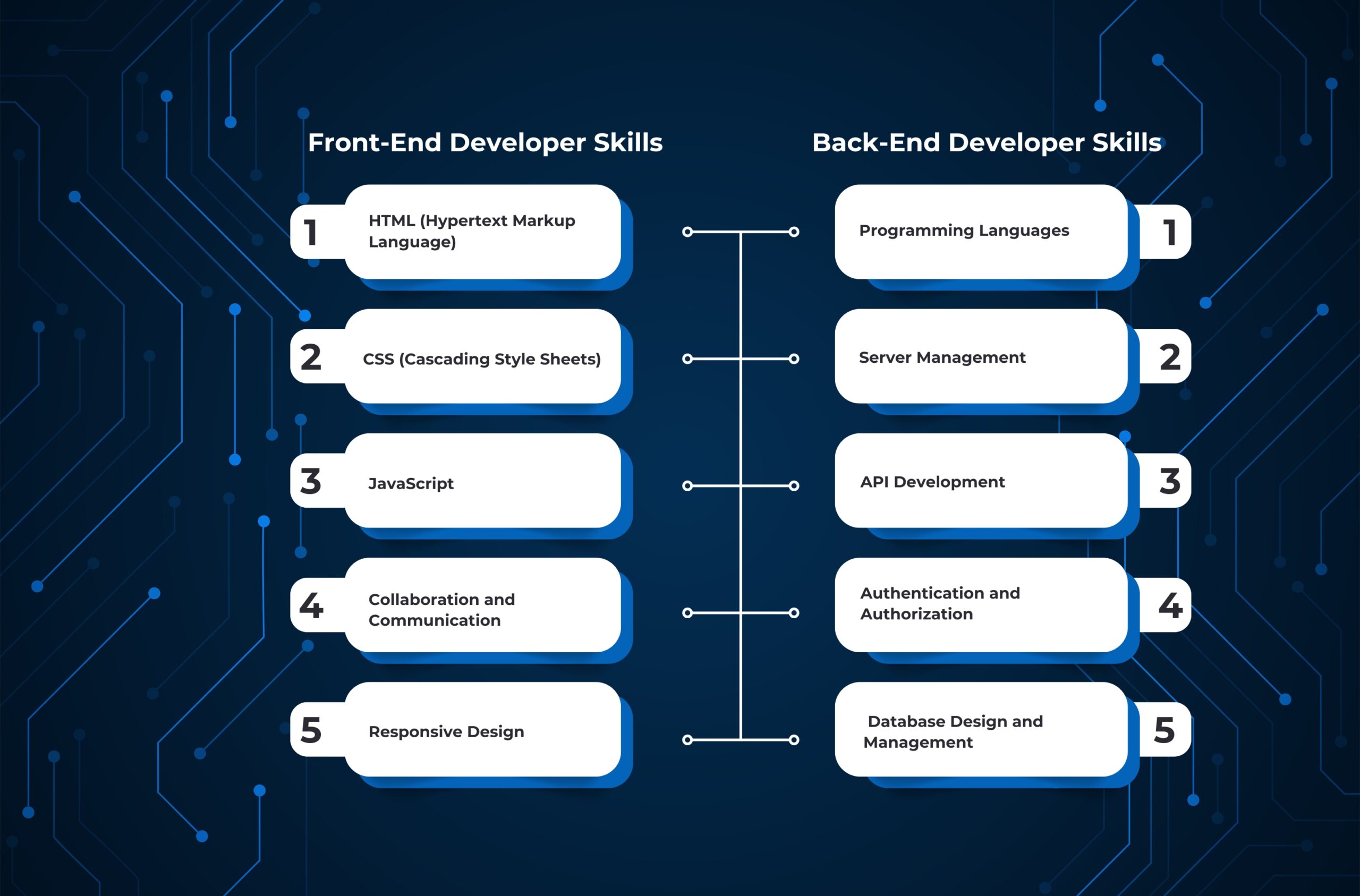
    Front-End Developer Skills:

    Front-end developers play a crucial role in creating visually appealing and user-friendly interfaces for websites and applications. To excel in this role, they need a combination of technical skills, design sensibilities, and the ability to work collaboratively. Here are some essential skills for front-end developers:


    1. HTML (Hypertext Markup Language)

    Proficiency in HTML is a fundamental skill for front-end developers. They should be able to create structured content and understand semantic HTML to ensure proper accessibility and SEO.


    2. CSS (Cascading Style Sheets):

    Strong knowledge of CSS is essential for styling web content. Front-end developers should understand layout techniques, responsiveness, and how to use CSS pre-processors like Sass.


    3. JavaScript:

    A solid grasp of JavaScript is crucial for adding interactivity and dynamic behavior to web pages. Knowledge of ES6+ features, DOM manipulation, and asynchronous programming is important.


    4. Collaboration and Communication:

    Front-end developers often collaborate with designers, back-end developers, and other team members. Strong communication skills and the ability to work in a team are crucial.


    5. Responsive Design:

    Front-end developers need to ensure that websites and applications work well on various devices and screen sizes. They should be familiar with responsive design principles and media queries.


    6. Cross-Browser Compatibility:

    Ensuring that web pages function correctly across different browsers is a key responsibility. Front-end developers should be familiar with browser compatibility issues and how to address them.


    Front-End vs. Back-End

    What is Back-End Development?

    Back-end development, on the other hand, focuses on the server side of applications. It involves building and maintaining the servers, databases, and application logic that operates behind the scenes. Back-end developers handle data storage, retrieval, and manipulation, as well as managing user authentication and the overall application functionality.

    While users interact with the front end, the back end ensures that the right is delivered to the front end and that user inputs are processed correctly. It involves working with databases like MySQL, PostgreSQL, or NoSQL options like MongoDB. Back-end developers also use programming languages like Python, Ruby, Java, PHP, and frameworks like Ruby on Rails, Django, or Node.js to create the necessary logic.

    Security is a significant concern in back-end development. Developers need to protect user data, prevent unauthorized access, and secure communication between the front-end and back-end components. This involves implementing encryption, and authentication protocols, and adhering to best practices to safeguard sensitive information.


    Back-End Developer Skills:

    Back-end developers are responsible for creating and maintaining the server-side logic, databases, and infrastructure that power websites and applications. To succeed in this role, they need a combination of programming skills, database management knowledge, and an understanding of server architecture. Here are some essential skills for back-end developers:


    1. Programming Languages:

    Back-end developers often work with languages like Python, Ruby, Java, PHP, Node.js, and C#. Proficiency in at least one of these languages is crucial for implementing server-side logic.


    2. Server Management:

    Understanding how to set up, configure, and manage servers is essential. Familiarity with server technologies like Apache, Nginx, and deployment platforms like Heroku or AWS is beneficial.


    3. API Development:

    Back-end developers often create APIs (Application Programming Interfaces) to allow communication between the front-end and back-end components. Understanding API design principles and RESTful architecture is important.


    4. Authentication and Authorization:

    Back-end developers should know how to implement user authentication and authorization mechanisms to control access to different parts of an application.


    5. Database Design and Management:

    Designing efficient database structures and managing data consistency, indexing, and migrations are critical skills for back-end developers.


    6. Command Line Usage:

    Proficiency in using the command line is important for tasks like server management, database operations, and running scripts.


    Collaboration and Communication

    Front-end and back-end developers need to collaborate closely to ensure a seamless user experience. Communication between these teams is crucial to align designs, functionality, and data flow. Front-end developers rely on back-end APIs (Application Programming Interfaces) to fetch and update data from the server, while back-end developers depend on the front-end to provide a user-friendly interface for end-users.


    Full-Stack Developers: Bridging the Gap

    In recent years, the term “full-stack developer” has gained prominence. Full-stack developers are proficient in both front-end and back-end development, allowing them to work on all layers of an application. They have a comprehensive understanding of how different components interact and can effectively switch between working on the user interface and the server-side logic.


    Conclusion

    Front-end and back-end development are two sides of the same coin, working together to create the digital experiences we interact with daily. Front-end developers focus on designing user interfaces and ensuring an enjoyable user experience, while back-end developers handle server-side logic, data management, and security.

    Collaboration and communication between these two teams are essential for building successful applications. Whether you’re drawn to the visual aspects of front end or the logic-driven back end, both areas offer exciting opportunities for individuals passionate about creating innovative digital solutions.

  • Web Security: Protecting Against Common Threats

    Today, when businesses, individuals, and governments rely heavily on the internet, web security has become a foremost concern. With the exponential growth of online activities, the risks of cyber threats and attacks have also intensified. From data breaches to malware infections, the digital landscape is riddled with potential vulnerabilities.


    What is Web Security?


    Web security, also known as cybersecurity or web application security, refers to the practice of protecting websites, web applications, and the data type they handle from various threats, attacks, and vulnerabilities that could compromise their integrity, confidentiality, and availability. 

    As businesses and individuals increasingly rely on the internet for various activities, web security becomes paramount to ensure the safety of sensitive information, prevent unauthorized access, and maintain the overall trustworthiness of online interactions.

    Web security encompasses a wide range of techniques, practices, and technologies aimed at identifying, preventing, and mitigating potential risks associated with online platforms.


    Understanding Web Threats


    Cyber threats come in various forms, each with the potential to wreak havoc on websites and compromise sensitive data. Understanding these threats is the first step toward implementing robust security measures.


    1. Malware Attacks: Malicious software, or malware, is designed to infiltrate systems, steal information, and disrupt operations. Examples include viruses, worms, Trojans, and ransomware.


    1. Phishing Attacks: Phishing involves tricking users into revealing sensitive information, such as login credentials or financial details, by posing as a legitimate entity through emails or websites.


    1. Cross-Site Scripting (XSS): This attack injects malicious scripts into websites, which then execute in the users’ browser. It allows attackers to steal data or perform actions on behalf of users without their consent.


    1. SQL Injection: In an SQL injection attack, attackers manipulate input fields to inject malicious SQL code into a website’s database, potentially exposing sensitive information.


    1. Distributed Denial of Service (DDoS): A DDoS attack floods a website with an overwhelming volume of traffic, rendering it unavailable to legitimate users and disrupting operations.


    1. Cross-Site Request Forgery (CRSF): Attackers trick users into performing unwanted actions without their knowledge, such as making unauthorized transactions or changing settings.


    1. Brute Force Attacks: In a brute force attack, attackers systematically try different combinations of passwords until they find the correct one, gaining unauthorized access to accounts.


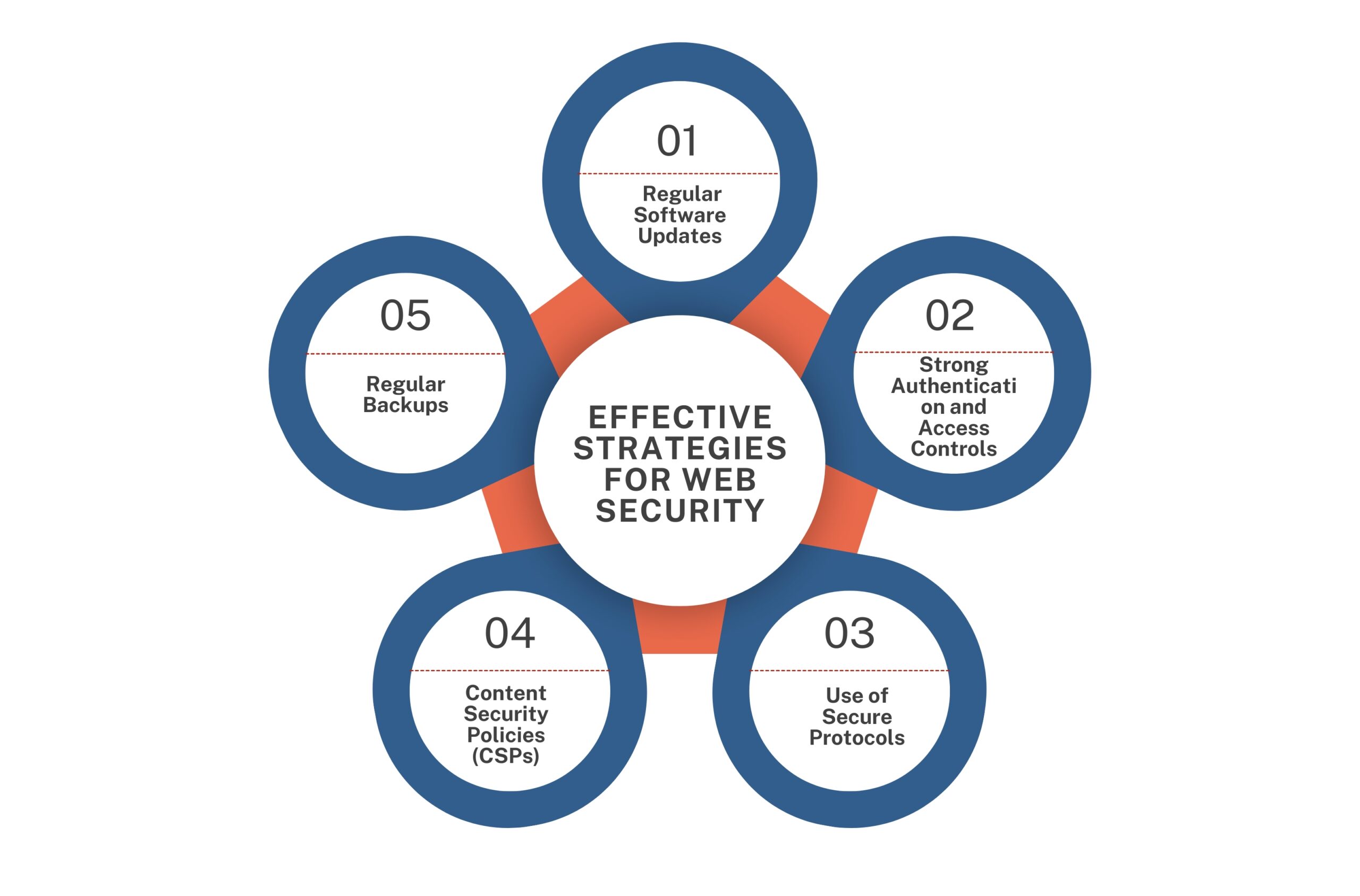
    Effective Strategies for Web Security


    Web Security

    1. Regular Software Updates: Keeping all software, including web server software and content management systems, up to date is crucial. Updates often include security patches that address known vulnerabilities.


    1. Strong Authentication and Access Controls: Implement multi-factor authentication (MFA) and role-based access controls to ensure that only authorized users can access sensitive areas of a website.


    1. Use of Secure Protocols: Utilize HTTPS (Hypertext Transfer Protocol Secure) to encrypt data transmitted between users and the website. SSL/TLS certificates validate the authenticity of the website and protect against eavesdropping.


    1. Security Audits and Vulnerability Scans: Regularly conduct security audits and vulnerability scans to identify weaknesses in your website’s code and infrastructure, allowing you to address them before they are exploited.


    1. Web Application Firewalls (WAFs): Implement WAFs to filter out malicious traffic and protect against common attacks like XSS and SQL injection. WAFs provide an additional layer of defense beyond traditional firewalls.


    1. Content Security Policies (CSPs): CSPs define which sources of content are trusted and can be executed on a website. They help prevent XSS attacks by limiting the sources of executable scripts.


    1. Regular Backups: Perform regular backups of your website’s data and files. This ensures that, in the event of an attack or data loss, you can restore your website to a previous state.


    1. User Input Validation: Validate and sanitize all user input to prevent malicious code from being injected into your website’s forms and fields.


    1. Employee Training: Educate your staff about security best practices, including recognizing phishing emails and avoiding risky online behavior. 


    1. Incident Response Plan: Develop a comprehensive incident response plan outlining the steps to take in case of a security breach. This minimizes damage and helps you recover quickly.


    1. Third-Party Integrations: Be cautious when integrating third-party scripts and plugins. Only use reputable sources, as malicious code in third-party components can compromise your website. 


    1. Limit Server Privileges: Restrict the privileges of users and applications on your server. This prevents potential attackers from gaining unauthorized access to critical resources.


    Conclusion


    From small business websites to large e-commerce platforms, no online entity is immune to the threats that lurk in cyberspace. Implementing a comprehensive security strategy that encompasses regular updates, user training, encryption, and proactive monitoring is essential to safeguarding against common threats. 

    By staying vigilant and proactive, website owners and administrators can mitigate risks, protect sensitive data, and provide users with a safe and secure online experience. Remember, the price of complacency in web security far outweighs the cost of investing in robust protective measures.


    Frequently Asked Questions (FAQs)


    1. What are the best practices for web application security?

    Best practices include regular security assessments, patch management, user education, implementing the principle of least privilege, and staying updates in security vulnerabilities.


    1. Why is web security important?

    Web security is crucial to safeguard sensitive data, maintain user trust, and prevent financial losses. It helps protect against cyberattacks and ensures the confidentiality, integrity, and availability of web resources.


    1. How can I stay updated on the latest web security threats and trends?

    To stay informed, follow security blogs, subscribe to security newsletters, participate in web security forums, and consider attending security conferences or webinars.


    1. Should I use HTTPS for my website?

    Yes, HTTPS encrypts data transmitted between the user’s browser and your server, protecting it from eavesdropping and tampering. It also improves search engine ranking and user trust.

  • The Power of JavaScript: Enhancing User Interactivity

    JavaScript stands as an indispensable tool, a powerhouse that fuels the interactivity and user experience on the internet. It has become the go-to language for creating rich, responsive, and interactive web applications. In this blog, we will explore the transformative role of JavaScript in enhancing user interfaces and interactivity on the web.


    The Rise of JavaScript


    JavaScript was first introduced by Netscape Communications in 1995, initially as a client-side scripting language for adding interactivity to static web pages. Over the years, it has evolved into a versatile and multifaceted language, enabling developers to create everything from simple website animations to complex single-page applications.


    One of the key reasons behind JavaScript’s popularity is its compatibility with all major web browsers. This ubiquity ensures that JavaScript code runs consistently across various platforms, making it an ideal choice for web developers worldwide.


    User Interfaces: Where JavaScript Shines


    Javascript


    User interfaces are the bridge between humans and technology. They play a crucial role in determining how users interact with web applications. Java Script is a cornerstone of modern web development, contributing significantly to the creation of dynamic and responsive user interfaces.


    1. Dynamic Content Updates:


    JavaScript allows developers to update content on a web page without requiring a full page reload. This feature is vital for creating real-time applications, such as social media feeds, chat applications, or live scoreboards. With JavaScript, developers can fetch and display new data from a server without interrupting the user’s experience. 


    2. User Feedback:


    Interactive forms, validation, and feedback mechanisms are essential for user-friendly interfaces. JavaScript empowers developers to create these elements seamlessly. For instance, it can validate user inputs in real-time, providing instant feedback on errors or suggesting improvements.


    3. Animations and Transitions In Javascript:


    Smooth animations and transitions enhance the visual appeal of a website. JavaScript, in combination with CSS, enables the creation of captivating animations. These can range from subtle fading effects to complex interactive visualizations, adding depth and engagement to the user experience.


    4. Response Design:


    In the age of smartphones and tablets, responsive design is paramount. JavaScript assists in building adaptive user interfaces that adjust to different screen sizes and orientations. This ensures that your web application looks and works seamlessly across various devices, boosting user satisfaction.


    Interactivity: Engaging Users


    Interactivity is the heart of modern web applications. It’s what transforms a static website into an engaging and dynamic experience. JavaScript empowers developers to craft interactive features that captivate and involve users.


    1. Event Handling: JavaScript’s event-driven nature allows developers to respond to user actions, such as clicks, keystrokes, or mouse movements. This responsiveness is essential for creating interactive elements like buttons, menus, and sliders, which users can interact with effortlessly.


    1. Ajax (Asynchronous JavaScript and XML): With Ajax, JavaScript can fetch and send data to a server without requiring a full page reload. This technology powers the real-time updates you see on social media platforms and allows for seamless data retrieval in the background, enhancing the user engagement. 


    1. Web APIs: JavaScript interfaces with various web APIs, enabling developers to integrate features like geolocation, camera access, and notifications directly into web applications. This opens up a world of possibilities for creating feature-rich, centric experiences. 


    1. Single-Page Applications (SPAs): SPAs, built primarily with JavaScript frameworks like React, Angular, or Vue.js, provide a fluid and uninterrupted user experience. They load a single HTML page and dynamically update content as users navigate, eliminating page reloads and speeding up interactions.


    Challenges and Considerations in Javascript


    While JavaScript offers immense power, it’s not without its challenges. Here are a few considerations:


    1. Performance: Poorly optimized JavaScript code can slow down a website, leading to a subpar user experience. It’s essential to write efficient code and minimize unnecessary operations to ensure snappy performance.


    1. Security: JavaScript can be vulnerable to attacks like cross-site scripting (XSS) if not handled carefully. Developers must be diligent in sanitizing user inputs and implementing security best practices to protect their applications and users.


    1. Compatibility: While JavaScript enjoys broad browser support, differences in browser implementations can still pose challenges. Developers often use libraries and frameworks like jQuery or Babel to manage these disparities.


    Conclusion


    In the world of web development, JavaScript is the cornerstone of modern user interfaces and interactivity. It empowers developers to create engaging and dynamic web applications that captivate users and keep them coming back for more. From real-time updates to immersive animations, JavaScript continues to push the boundaries of what’s possible on the web.


    As technology advances, JavaScript remains at the forefront of innovation, constantly evolving to meet the demands of a dynamic online world. Its power lies not just in its versatility but also in its community of developers who push the boundaries of what can be achieved. In the hands of skilled developers, JavaScript is an instrument of endless creativity, bringing to life the web experiences we enjoy today.


    So, the next time you encounter a website with a stunning user interface or a web application that keeps you engaged for hours, remember that JavaScript is the invisible force behind it all, making the web a more interactive and exciting place to be.


    Frequently Asked Questions (FAQs)


    1. What is JavaScript?

    JavaScript is a high-level, interpreted programming language primarily used for adding interactivity and dynamic behavior to websites. It can also be used for server-side development with Node.js.


    1. What is asynchronous programming in JavaScript?

    Asynchronous programming allows you to execute code non-blocking, which is crucial for tasks like making AJAX requests or handling user input without freezing the UI. JavaScript uses callbacks, Promises, and async/await for asynchronous operations. 


    1. What is the DOM in JavaScript?

    The DOM (Document Object Model) is a programming interface for web documents. It represents the page so that programs can change the document structure, style, and content dynamically.

  • Mastering Website Page Speed: Tips to Keep Your Website Fast and Reliable

    A slow-loading website not only frustrates visitors but also affects your search engine rankings. However, we have to focus on Website Page Speed. in This article learn about how to Improve Website Page Speed

    The Importance of  “Website Page Speed”


    Page speed is a critical factor in website performance. It directly impacts user experience, search engine rankings, conversion rates, and mobile-friendliness. Slow-loading websites frustrate users, leading to high bounce rates.

    Additionally, search engines favor faster websites, resulting in improved visibility and organic traffic. Faster load times also boost conversion rates and cater to mobile users with limited patience.

    Increasing your website page speed will give you several benefits like high ranking on Google, reduced costs, and increased organic traffic. If the website loads quickly and a provides good experience then the user is more likely to check the rest of the information on your website.


    How Website Page Speed Helps You Rank Higher on Google Search Results?

    Page speed is an important factor for ranking higher on Google search results for several reasons:


    1. Mobile-First Indexing: 

    Google primarily uses mobile-first indexing, which means it evaluates your website’s mobile version for ranking. Mobile users often have slower internet connections, making page speed even more crucial for mobile rankings.


    2. Bounce Rates: 

    Slow-loading pages tend to have higher bounce rates (users leaving the site quickly). Google interprets a high bounce rate as an indication that users didn’t find what they were looking for, potentially leading to lower rankings.


    3. Check Core Web Vitals for Website Page Speed: 

    Google introduced Core Web Vitals as ranking factors, which include metrics like “Largest Contentful Paint” (LCP), First Input Delay (FID), and Cumulative Layout Shift (CLS). These metrics assess page loading speed, interactivity, and visual stability, respectively, emphasizing the importance of page speed in rankings.


    How a Fast-Loading Website Reduces Costs


    1. Lower Hosting Costs:

    Fast websites typically require fewer server resources, as they process requests more efficiently. This can lead to lower hosting expenses, especially for websites with high, traffic, as they can often operate on less powerful servers.


    2. Reduced Bandwidth:

    Faster websites transfer data more efficiently, resulting in lower bandwidth usage. This is particularly beneficial for websites with limited data transfer allocations or those using Content Delivery Networks (CDNs) where bandwidth can be costly.


    3. Lower Development Costs:

    Efficiently coded websites with faster load times are easier to develop and maintain. They require less time spent on optimization, bug fixing, and troubleshooting, which can reduce development and maintenance expenses.


    4. Faster Content Delivery:

    In the case of e-commerce websites, faster loading times can lead to improved product page loading and checkout processes. This can reduce cart abandonment rates and increase sales, ultimately offsetting costs.


    Creating a website that is consistently optimized for page speed requires a proactive and continuous effort. Here are seven powerful steps to achieve this:


    Step 1: Choosing a Fast Hosting Provider:

    • Start with a hosting provider known for speed and reliability.
    • Consider a hosting plan that includes features like SSD storage, content caching, and scalable resources.


    Step 2: Optimize Images and Media in Website to Improve Website Page Speed

    • Compress and resize images to reduce file sizes.
    • Use modern image formats like WebP for better compression. 
    • Implement responsive images to serve appropriately sized images based on the user’s device.


    Step 3: Implement Caching:

    • Enable server-side caching mechanisms like opcode caching and object caching.
    • Use a Content Delivery Network (CDN) to cache and serve content from edge servers closer to users.


    Step 4: Minimize HTTP Requests in website:

    • Combine CSS and JavaScript files to reduce the number of requests. 
    • Use CSS sprites or inline small CSS/JS when appropriate.
    • Remove or defer unnecessary scripts and widgets.

    Step 5: Prioritize Critical Rendering Path:

    • Load critical CSS inline to render above-the-fold content quickly.
    • Use asynchronous or deferred loading for non-essential scripts.
    • Optimize the order in which resources load to avoid render-blocking issues.


    Step 6: Implement Lazy Loading to Improve website page Speed:

    • Lazy loading allows images and videos to be loaded only when they are presented in the user’s field of view.
    • Use the ‘loading=” lazy” attribute for images and iframes.


    Step 7: Regular Performance Audits and Optimization for website:

    • Continuously monitor your website’s performance using tools like Google PageSpeed Insights, GTmetrix, or Lighthouse.
    • Address issues and optimize your website based on the audit results.
    • Keep your CMS, themes, and plugins up-to-date to benefit from performance improvements.


    Frequently Asked Questions (FAQs) To Improve Website Page Speed.


    1. What is website Page Speed ?

    Page speed refers to how fast a web page loads and displays its content to users when they visit a website. It’s typically measured in seconds or milliseconds.


    1. Why “website page speed” is important?

    Page speed is crucial for user experience, SEO, and conversions. Fast-loading pages keep users engaged, rank higher in search results, and lead to higher conversion rates.


    1. How can I check my website’s page speed?

    You can use various online tools like Google PageSpeed Insights, GTmetrix, or Pingdom to analyze your website’s page speed and receive performance recommendations.


    1. What is the ideal page load time for a Website?

    Ideally, a web page should load in under 3 seconds. However, faster is always better, especially for mobile users with slower connections.


    1. What is the impact of  Website page speed on SEO?

    Page speed is a ranking factor in Google’s search algorithm. Faster-loading pages tend to rank higher in search results, which can positively impact your website’s SEO and visibility.

  • How can I convert website visitors into paying customers?

    [vc_row][vc_column][vc_column_text css=””]Today, online presence is crucial for businesses of all sizes. However, simply attracting visitors to your website is not enough; the ultimate goal is to convert those visitors into paying customers requires a thoughtful and strategic approach. In this article, we will explore effective strategies and techniques to help you optimize your website and maximize conversion rates.


    Understand Your Target Audience:


    Before diving into conversion strategies, it’s essential to have a deep understanding of your target audience. Identify their needs, preferences, pain points, and what motivates them to make a purchase. This information will guide your website optimization efforts and enable you to tailor your messaging and offerings to resonate with your audience.


    Clear and Compelling Proposition:


    Your website’s value proposition should be clear, concise, and compelling. Communicate the unique benefits and value your products or services offer to visitors. Highlight what sets you apart from the competition and explain why customers should choose your business. Use persuasive language and engaging visuals to captivate visitors and convey the value they stand to gain.


    Streamline Website Navigation:


    A website that is easy to navigate enhances user experience and encourages visitors to explore further. Ensure your website has intuitive navigation, with clear menu labels and a logical hierarchy. Make it effortless for visitors to find the information they need and access product/service pages. Utilize a search function to enable users to quickly locate specific content. A smooth browsing experience reduces frustration and increases the likelihood of conversion.


    Optimize Landing Pages:


    Landing Pages are critical for converting visitors into paying customers. Optimize each landing page to align with specific marketing campaigns or target keywords. Keep the layout clean, targeted, and visually attractive. Communicate the value proposition, key benefits, and a compelling call-to-action (CTA). A well-crafted landing page that aligns with visitor expectations can significantly increase conversion rates.


    Engaging and Relevant Content:


    Content plays a vital role in engaging website visitors and establishing credibility. Create high-quality applicable content material that speaks immediately to your audience. Offer informative blog posts, articles, case studies, videos, or infographics that address their pain points and provide solutions. Incorporate relevant keywords to improve organic search visibility. Engaging content builds trust, establishes authority, and keeps visitors on your website longer, increasing the chances of conversion.


    Capture Visitor Information:


    Implementing lead capture forms is an effective way to convert website visitors into potential leads. Offer valuable resources, such as e-books, whitepapers, or newsletters, in exchange for visitors’ contact information. Ensure the form is simple and easy to fill out, with minimal required fields. Once you have their information, you can nurture these leads through targeted email marketing campaigns and personalized communication.


    Use Social Proof and Testimonials:


    Social proof is a powerful persuasion tool. Incorporate customer testimonials, reviews, case studies, and success stories on your website. Display positive feedback prominently to build trust and credibility. Include real names, photos, and any relevant details to enhance authenticity. Social proof assures visitors that they have had a positive experience with your business, increasing their confidence in making a purchase.


    Implement Live Chats and Chatbots:


    Live chat and chatbots provide immediate assistance and personalized interaction with website visitors. They can answer common questions, provide recommendations, and address concerns in real time. Prompt response to inquiries demonstrates your commitment to customer service and helps overcome any hesitation or objections visitors may have, resulting in increased conversions.


    Optimize for Mobile Devices:


    With the increasing use of smartphones and tablets, optimizing your website for mobile devices is crucial. Ensure your website is fully responsive, providing a seamless experience across different screen sizes. Mobile-friendly design and fast loading times are critical for retaining visitors and improving conversion rates. Test your website on various devices to ensure a consistent and enjoyable experience for all users.


    A/B Testing and Conversion Rate Optimization:


    Continuously test and optimize your website using A/B testing techniques. Experiment with different layouts, headlines, CTA buttons, colors, and page elements to determine what resonates best with your audience. Small changes can have a significant impact on conversion rates. Regularly analyze user behavior, track conversion funnels, and use data-driven insights to refine your website and maximize its conversion potential.


    In conclusion, converting website visitors into paying customers requires a comprehensive and strategic approach. By understanding your target audience, optimizing your website’s user experience, crafting persuasive content, implementing lead capture strategies, and utilizing social proof, you can significantly increase your conversion rates.


     Regularly analyze and refine your website based on user data and feedback to continuously improve your conversion optimization efforts. Remember, the path to conversion is an ongoing journey of optimization and adaptation to meet the changing needs and expectations of your audience.

    If you are looking for The Best Digital Marketing Agency for your business. Contact Bliss Marcom

    office address in Noida

    Frequently Asked Questions (FAQs)

    [/vc_column_text][/vc_column][/vc_row][vc_row][vc_column][vc_toggle title=”How can I build trust with website visitors?” css=””]Use trust signals like customer reviews and testimonials, security badges, clear privacy policies, and transparent pricing. Highlight your expertise and commitment to customer satisfaction.[/vc_toggle][vc_toggle title=”Why is it important to convert website visitors into paying customers?” css=””]Converting visitors into customers is essential for business growth and revenue generation. It maximizes the value of your website traffic and helps you achieve your business goals.[/vc_toggle][vc_toggle title=”What are some effective strategies to convert visitors into customers?” css=””]Strategies include optimizing your website design, providing valuable content, using clear and compelling calls-to-action, offering incentives, and ensuring a user-friendly checkout process.[/vc_toggle][vc_toggle title=”What role does content play in conversion optimization?” css=””]High-quality content, such as informative blog posts, product descriptions, and customer reviews, can build trust and influence purchase decisions. Tailor content to address visitor needs and pain points.[/vc_toggle][vc_toggle title=”What are some common mistakes to avoid in conversion optimization?” css=””]Avoid cluttered website designs, confusing navigation, irrelevant content, and excessive form fields. Also, don’t neglect mobile optimization, as many visitors use smartphones.[/vc_toggle][/vc_column][/vc_row]

  • SEMrush – The Ultimate Guide to Boosting Your Website’s Search Engine Rankings

    SEMrush, a comprehensive SEO and digital marketing tool, has emerged as a game-changer for businesses worldwide. With its vast array of features and functionalities, SEMrush empowers marketers to optimize their online presence, outshine competitors, and drive impactful results. This article shows how SEMrush works, explores its key features, and highlights how it helps businesses achieve their digital marketing objectives.


    Understanding SEMrush’s Functionality:


    SEMrush serves as an all-in-one digital marketing solution, catering to various aspects of online visibility. Its core functionality revolves around providing actionable insights and data-driven strategies for Search Engine Optimization (SEO), Pay-Per-Click (PPC) advertising, Content Marketing, Social Media Management, and more.


    One of SEMrush’s standout features is its ability to perform comprehensive keyword research. By analyzing search volumes, competition levels, and keyword trends, SEMrush assists marketers in identifying lucrative keywords to target. This helps businesses optimize their website content, create compelling ad campaigns, and boost their organic search rankings.


    SEMrush’s competitive analysis tools enable businesses to gain valuable insights into their competitors’ strategies. Marketers can examine their rivals’ top-performing keywords, backlinks, and ad copy, empowering them to refine their strategies and gain a competitive edge.


    In addition to SEO and PPC, SEMrush offers robust tools for content marketing. Its content analysis feature evaluates the performance of webpages, providing recommendations for optimization. Furthermore, marketers can leverage the content marketing toolkit to identify trending topics, analyze their content’s impact, and monitor their brand’s online reputation.


    Harnessing SEMrush for Digital Marketing Success:


    SEMrush helps businesses achieve digital marketing success through its diverse range of features and functionalities. Let’s explore some key ways in which SEMrush empowers marketers:


    1. SEO OPTIMIZATION:


    SEMrush offers a suite of SEO tools, including site audits, backlink analysis, and position tracking. Marketers can identify and fix website issues, monitor keyword rankings, and gain insights into their backlink profile, ultimately improving their organic search visibility. 


    SEMrush’s Site Audit tool allows users to scan their websites for technical SEO issues, providing actionable recommendations for improvement. Additionally, its On-Page SEO Checker provides real-time suggestions to optimize content and metadata for better search visibility.


    2. PPC ADVERTISING:


    With SEMrush’s PPC tools, marketers can conduct in-depth keyword research, analyze competitors’ ad strategies, and create effective ad campaigns. This helps drive targeted traffic, increase ad performance, and optimize ad spend.


    3. COMPETITIVE ANALYSIS:


    SEMrush’s competitive analysis tools allow businesses to gain a thorough understanding of their competitors’ strategies. Marketers can uncover their rivals’ best-performing keywords, ad copy, and backlinks, enabling them to refine their tactics and stay ahead in the market.


    4. CONTENT MARKETING:


    SEMrush’s content marketing toolkit provides valuable insights for crafting compelling content. Marketers can identify trending topics, conduct content audits, and attract their brand’s online reputation. This ensures that content efforts align with audience interests and help drive engagement and conversions.


    5. SOCIAL MEDIA MANAGEMENT:


    SEMrush enables marketers to streamline their social media efforts. It offers features like scheduling posts, monitoring social media mentions, and analyzing social media performance. This facilitates efficient social media management and helps drive brand awareness and engagement.


    6. REPORTING AND ANALYTICS:


    SEMrush provides comprehensive reporting and analytics features, enabling marketers to track and measure the impact of their digital marketing efforts. Customizable reports, traffic analytics, and conversion tracking assist in identifying successful strategies and optimizing future campaigns.


    7. BACKLINK ANALYSIS:


    Backlinks play a crucial role in Search Engine Rankings, and SEMrush offers a comprehensive backlink analysis toolset. Marketers can track their backlinks, analyze referring domains, evaluate anchor text distribution, and identify potentially harmful links. This information empowers businesses to build high-quality backlinks, disavow toxic ones, and stay on top of their link-building efforts.


    8. KEYWORD RESEARCH:


    One of SEMrush’s standout features is its extensive keyword research capabilities. Marketers can conduct comprehensive keyword analysis, identify long-tail and low-competition keywords, and discover related terms. SEMrush offers data on search volume, keyword difficulty, and trend patterns, allowing businesses to make data-driven decisions. With the Keyword Gap tool, users can compare their keyword performance against competitors and uncover new opportunities.


    CONCLUSION:


    SEMrush has proven to be an invaluable tool for businesses seeking to optimize their online presence and drive impactful results. With its wide range of features, SEMrush empowers marketers to conduct in-depth research, develop effective strategies, and gain a competitive advantage. 


    Whether it’s SEO, PPC, Content Marketing, or Social Media Management, SEMrush offers a comprehensive suite of tools that help businesses stay ahead in the ever-evolving digital landscape. By harnessing the power of SEMrush, marketers can unlock valuable insights and maximize their digital marketing success.


    Frequently Asked Questions (FAQs)


    1. Can SEMrush track keyword rankings?

    Yes, SEMrush offers a feature to track keyword rankings over time, allowing you to monitor your SEO performance.


    1. What type of support does SEMrush offer?

    SEMrush offers customer support through email and live chat, along with extensive documentation and webinars.


    1. What makes SEMrush different from other SEO tools?

    SEMrush stands out due to its extensive feature set, competitive analysis capabilities, and user-friendly interface. It’s known for its comprehensive data and insights.


    1. Is SEMrush suitable for beginners in digital marketing?

    SEMrush provides resources and tutorials for users at all skill levels, including beginners. However, some features may be more advanced and require some learning.


    1. What type of businesses can benefit from SEMrush?

    SEMrush is valuable for businesses of all sizes and industries, including digital marketers, SEO professionals, content creators, e-commerce stores, and agencies.

    If you are looking for The Best Digital Marketing Agency for your business. Contact Bliss Marcom

    office address in Noida

  • How Can I Improve My Website’s Search Engine Rankings (SERPs)?


    Nowadays, having a strong online presence is crucial for the success of any business. One of the key factors in building that presence is ensuring that your website ranks high in search engine results. Improving website rankings is a top priority for businesses and individuals looking to increase their online visibility and attract more organic traffic. 


    Higher rankings lead to increased visibility, organic traffic, and potential customers. To achieve a better ranking, it is essential to implement effective search engine optimization (SEO) strategies. In this article, we will explore ten effective strategies to improve your website’s search engine rankings and enhance its overall online visibility.


    Conduct Comprehensive Keyword Research:


    Keyword research is the muse of any successful search engine optimization (SEO) strategy. Start by figuring out relevant keywords and terms that are frequently searched by your target audience. 


    Utilize keyword research tools to assess search volume, competition, and identity long-tail keywords naturally throughout your website’s content, including titles, headings, meta-tags, and within the body of your webpages. Aim for a balance between relevancy and search volume to maximize your chances of ranking well.


    Create High-Quality and Engaging Content:


    Search engines prioritize websites that provide valuable and engaging content to users. Invest time and effort into creating high-quality content that aligns with your audience’s needs. Craft informative blog posts, articles, guides, and videos that are relevant to your industry.


    Focus on addressing common pain points, answering frequently asked questions, and providing actionable insights. Incorporate relevant keywords naturally within your content, but ensure it reads well and offers genuine value to your readers.


    Optimize On-Page Elements:


    On-page optimization involves optimizing various elements on your web pages to enhance search engine visibility. Ensure your page titles, meta-descriptions, headings, and URLs contain relevant keywords and accurately describe the content. 


    Utilize header tags (H1, H2, etc.) to structure your content and improve using descriptive alt tags and reducing file sizes for faster page leading. Additionally, improve your website’s user experience by ensuring fast page load times, mobile responsiveness, and easy navigation.


    Enhance Website Speed and Performance:


    Website speed is a crucial ranking factor and affects user experience. Improve your website’s loading time by optimizing images, minimizing HTTP requests, leveraging browser caching, and using a content delivery network (CDN). 


    Compress files and enable GZIP compression to reduce the page size. Regularly monitor your website’s performance using tools like Google PageSpeed Insights or GTmetrix, and address any identified issues promptly.


    Build High-Quality Backlinks:


    Backlinks, or links from other websites to yours, are a significant ranking factor. Develop a link-building strategy that includes outreach, guest blogging, content partnerships, and leveraging your existing network.


    Create shareable content that naturally attracts backlinks, and promote it through social media and email marketing to increase its visibility. However, avoid black hat techniques, such as buying or spamming links, as they can result in penalties from search engines.


    Optimize for Mobile Devices:


    With the increasing use of mobile devices, optimizing your website for mobile users is essential. Ensure your website is mobile-friendly and responsive, adapting seamlessly to different screen sizes. 


    Optimize your content for mobile consumption by using shorter paragraphs, larger fonts, and clear calls to action. Test your website’s mobile usability regularly using tools like Google’s Mobile-Friendly Test and make necessary improvements.


    Improve User Engagement:


    Engagement metrics, such as time on page, bounce rate, and social shares, indirectly influence search engine rankings. Create compelling and visually appealing content that encourages customers to stay on your internet site longer. Incorporate multimedia elements like images, videos, and infographics to enhance engagement. 


    Encourage social sharing by integrating social sharing buttons and optimizing your content for social media platforms. Prompt visitors to leave comments, ask questions, or participate in discussions to foster a sense of community and increase user engagement.


    Leverage Social Media Platforms:


    Social media signals can indirectly impact search engine rankings. Establish a strong presence on relevant social media platforms to amplify your content’s reach and engage with your audience. Share your content regularly, encourage social sharing, and participate in industry-related conversations. 


    Engage with your followers, respond to comments and messages promptly, and be thought leaders in your industry. Utilize social media advertising to reach a wider audience and drive traffic back to your website.

    Implement Structured Data Markup:


    Structured data markup, also known as schema markup, helps search engines understand and display your content more effectively in search results. Implement schema markup on your website to provide additional information about your content, such as reviews, ratings, prices, and event details. This can enhance your website’s visibility in search results and increase click-through rates.


    Monitoring, Analyze, and Adapt: 


    Often display your website’s performance using analytics tools like Google Analytics and Google Search Console. Examine key metrics, including organic traffic, keyword rankings, bounce rates, and conversions. Identify areas for improvement and adapt your SEO strategy accordingly. 


    Stay updated with the latest trends and algorithm changes in the search engine industry to ensure your website remains optimized for ranking success.


    Conclusion:


    Improving your website’s search engine rankings requires a comprehensive and multifaceted approach. By implementing these ten effective strategies, including conducting thorough keyword research, creating high-quality content, optimizing on-page elements, building high-quality backlinks, and leveraging social media, you can significantly enhance your website’s visibility and attract organic traffic. Remember to monitor your strategy as needed to stay ahead in the ever-evolving world of search engine optimization.


    Frequently Asked Questions (FAQs)


    1. How can I improve my website’s SERP ranking?

    You can improve your SERP ranking through various strategies including optimizing content, using relevant keywords, building high-quality backlinks, and ensuring a mobile-friendly and fast-loading website.


    1. Is keyword research important for SERP improvement?

    Yes, keyword research helps you identify the terms people use to search for content related to your website. Incorporating these keywords into your content can improve your SERP ranking.


    1. What role does backlink building play in SERP improvement?

    Backlink building, when done with high-quality and relevant websites, can boost your website’s authority and trust in the eyes of search engines, positively impacting your SERP’s ranking. 


    1. What’s the importance of website speed in SERP ranking?

    Faster-loading websites are favored by search engines because they provide a better user experience. You can improve speed by optimizing images, using efficient code, and leveraging content delivery networks (CDNs).

    If you are looking for the Best Digital Marketing Agency for your Business please contact Bliss Marcom.
    Office Address in Noida.

  • The Shocking Truth About Why Your Website is Not Ranking

    What good is it if no one can find your website on the internet, even if it has fantastic content and a killer website design? Ranking websites has a role in this. Website ranking essentially relates to where on search engines like Google your site is listed. The likelihood that users will click on your site increases with your rating. Why is this crucial? Well, to start with, it can raise brand awareness and increase website traffic. A high-ranking website also fosters trust with prospective clients because consumers are more likely to view you as credible and genuine if you appear at the top of search results. Additionally, over time, a high website ranking may potentially result in increased sales and conversion rates. As a result, you shouldn’t undervalue the influence website ranking has on your online presence.

    The Role of SEO in Website Ranking

    SEO entails improving a website’s exposure and organic search engine rankings by optimizing its structure, content, and other elements. The following are some crucial elements of SEO and how they affect website ranking:

    1- Organic Search Visibility: SEO enables search engines to recognize the relevance and significance of your website to particular search queries. You can improve your website’s exposure in organic search results by optimizing its content, meta tags, keywords, and other on-page components. Greater visibility increases the likelihood that users will find and visit your website.

    2- SEO’s most important components are keyword research and optimization. You can increase your website’s chances of ranking for those particular search queries by choosing pertinent keywords and thoughtfully putting them into the content. The potential ranking of your website is increased by effective keyword utilization, which helps search engines grasp the subject and relevancy of your material.

    3- Quality and Relevant Content: SEO places a strong emphasis on producing interesting, pertinent content. Search engines give websites that users can use a higher priority. You may boost the number of visits to your website and the possibility that other websites will link to your material by creating educational articles, blog posts, videos, and other content kinds. Such inbound links from reliable websites increase the authority of your website and help it rank higher.

    4- On-Page Optimisation: SEO entails making changes to a website’s on-page components to improve its visibility to search engines. This entails optimizing headings, URLs, internal linking structure, and meta tags (title, description). By ensuring that search engines can quickly explore and understand the content of your website, on-page optimization raises the likelihood that it will rank higher.

    5- Technical SEO: Technical SEO entails optimizing your website’s technical components so that search engines can efficiently crawl and index it. This entails enhancing the functionality of the website on mobile devices, its architecture, and its XML sitemaps, and fixing problems like broken links and duplicate content. Technical optimization makes sure that search engines can properly access and understand your website, which has a beneficial effect on its ability to rank well.

    Common Mistakes That Affect Website Ranking

    The ranking of a website in search engine results can be severely impacted by a number of frequent mistakes. Here are a few examples:

    1- Poor or irrelevant content: Poor or irrelevant content might hurt your website’s ranking because it is of low quality, has no substance, or is irrelevant to the intended audience. It’s critical to produce excellent, educational, and interesting material that fulfills users’ search intentions.

    2- Keyword stuffing: Stuffing your content with unnecessary keywords in an effort to trick search engines is a bad idea. Stuffing your content with keywords gives it an artificial appearance and could get you in trouble with search engines. Make an effort to organically and sparingly use relevant keywords.

    3- Inadequate on-page optimization: Title tags, meta descriptions, heading tags, and URL structures are just a few of the aspects of your web pages that can be optimized as part of on-page optimization. The visibility of your website in search results may suffer if you ignore these optimization techniques.

    4- Page load times that are too long: Users expect websites to load quickly, and search engines factor page load times into their rankings. Your website’s loading speed can have an adverse effect on both user experience and search engine rankings. By reducing the amount of code on your website and compressing images, you can improve its efficiency.

    5- Broken or poor-quality links: Broken links or links to unrelated or low-quality websites might damage the reputation of your website. Make sure the websites you link to are reliable and appropriate for your material, and regularly verify and fix broken links.

    Tips to Improve Your Website Ranking

    website

    1- Produce high-quality, valuable content: Create useful, entertaining, and pertinent content for your target audience in order to produce high-quality, worthwhile content. Put your attention on adding value and answering users’ search queries. Content that is well-written, distinctive, and thorough usually performs better in search engine results.

    2- Conduct keyword research: Conduct keyword research to find the pertinent words and phrases that people in your sector are using when searching. To locate popular and less competitive terms, use keyword research tools. Include the  se keywords naturally throughout your material, in headings, titles, meta descriptions, and the main text.

    3- Optimize on-page elements: Ensure that your web pages are correctly optimized for search engines by optimizing the on-page features. Use accurate and evocative heading tags, meta descriptions, and title tags. Make sure your URLs are organized and readable. Give search engines extra information by using structured data markup.

    4- Improve website speed and performance: Enhance the speed and functionality of your website to provide users with a better experience and raise search engine rankings. To serve your website’s content more quickly, compress pictures, enable browser caching, minify CSS and JavaScript files, and employ content delivery networks (CDNs).

    5- Optimise for mobile devices: Having a mobile-friendly website is crucial due to the growing use of mobile devices. Make sure your website responds to different screen widths and is responsive. To ensure a seamless and simple user experience, test your website on a variety of mobile devices.

    6- Build high-quality backlinks: Create high-quality backlinks by acquiring them from reliable, pertinent websites. Backlinks from reliable websites can increase your website’s ranking and trustworthiness. Engage in outreach and guest posting to obtain high-quality backlinks, or concentrate on producing useful material that naturally draws links.

    If you need the Best Digital Marketing Agency for your Business please contact Bliss Marcom.
    Office Address in Noida.

  • Motives for Choosing eCommerce Development

    Today’s world has drastically changed, and individuals prefer shopping online over visiting their neighborhood shops.  Thanks to all these trends, every com organization has its retail site, which has completely transformed the online retail sector.  About sales and patrons, it has grown to be among the most prominent industries. 

    The business sector’s operations have significantly changed due to website maintenance services.  Therefore, this article includes information on the significance of websites for professional business owners or organizations.

    What exactly is web development?

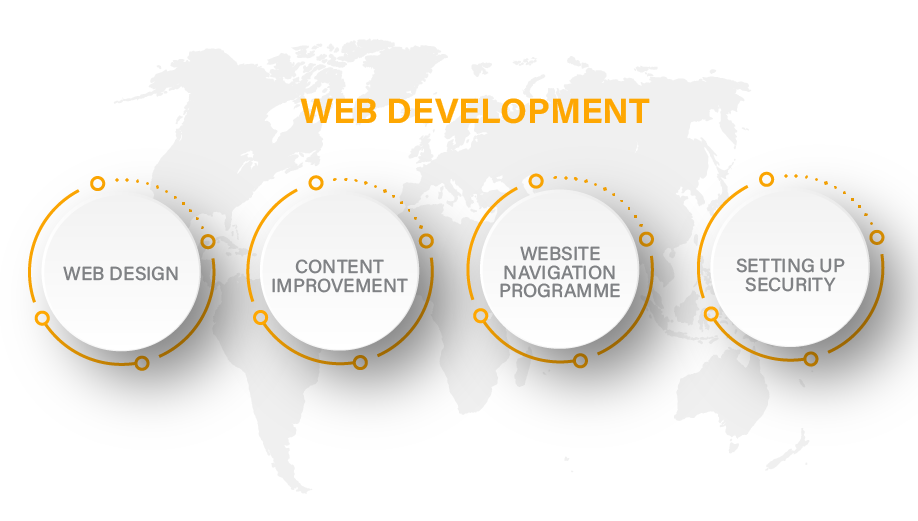
    There is no reasonable suggestion for you to enter the website development company career and produce top-notch websites if you’ve recently earned an IT degree or finished your studies.  And besides, the industry that is now creating the most employment worldwide is information technology.  Web development is the number of actions necessary to develop a website to post on the Internet.  The following steps are likely to be involved if you intend to build websites as a profession:

    • Web design
    • Content improvement
    • Website navigation programme
    • Setting up security

    If you wish to pursue a profession in website maintenance services, you must be aware of these duties and responsibilities.  Because they are receiving assignments connected to them in the IT industry, many individuals are also learning about these positions in addition to their regular work.

    Regarding creating the best website for eCommerce, Bliss marron is currently the best website Development company in the world because it is so simple to create websites with Strikingly; many developers are reconsidering using this platform.

    What-exactly-is-web-development

    Ecommerce Web Development: What Is It? 

    With only approximately 2 million to 3.7 million online businesses worldwide, retailers and traders must invest in eCommerce to keep up with the competition. 

    However, what exactly is eCommerce creation, and how does a store establish a fruitful and revenue-generating best website for eCommerce?  In just this essay, we’ll go into great detail about everything.  Let’s start now!

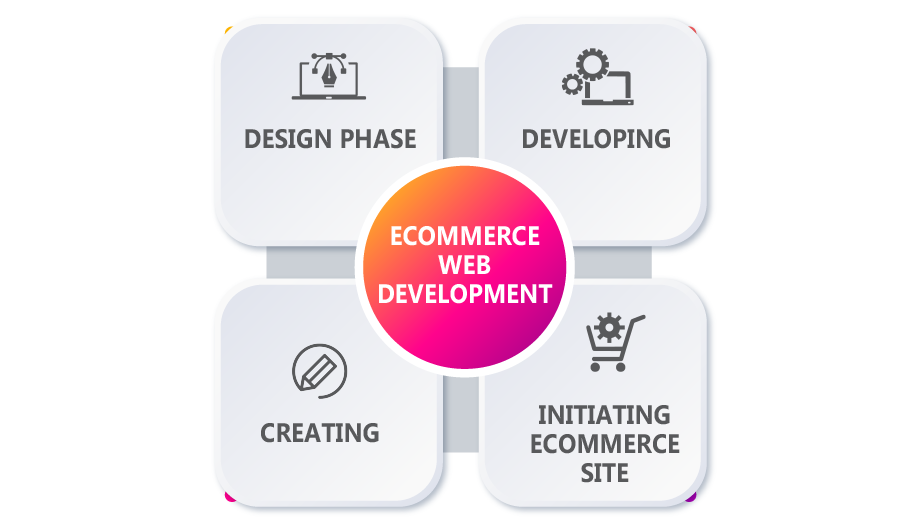
    The design phase, developing, creating, and initiating an eCommerce site so that customers can shop digitally, is known as eCommerce web development.  Even though customers love eCommerce development stores, developing a user-friendly, straightforward, and high-security eCommerce site could indeed help you increase the business’s revenue.

    Due to the enormous demand, best websites for eCommerce web development firms are under pressure to create eCommerce websites that are future-proof by utilising the latest advancements.  The best option for any company in the corporate world to grow its business today is through internet stores.  Therefore, if you choose the leading eCommerce development firm, you can receive a website that meets your needs.

    You’re losing many advantages if you’re unaware of how an internet development authority can offer your local retail company significant global visibility.  Keep reading to learn more about the benefits of e-commerce web development. 

    Ecommerce-Web-Development_

    Principal Advantages of E-Commerce Website Development 

    The current trend states that using eCommerce online portals is the best approach to generate cash and establish a brand.  As a result, businesses choose online retailers since they benefit from them in several ways.  For website maintenance services, WordPress is used.

    Businesses don’t need physical locations everywhere when they have internet stores.  Here are a few more ways that eCommerce web development benefits your company. 

    • Forms the initial impression of your firm. 

    Customers will likely advertise and promote for the first time through the website.  A positive first image of the brand from an eCommerce website developed effectively will persuade visitors to browse the page for longer.

    • Extends the reach of the company 

    They make it simple for your company to reach out to clients who cannot visit the actual store. 

    • Facilitates marketing 

    The company’s advertising becomes incredibly simple and can attract more devoted and returning customers. 

    • Aids in enhancing SEO tactics 

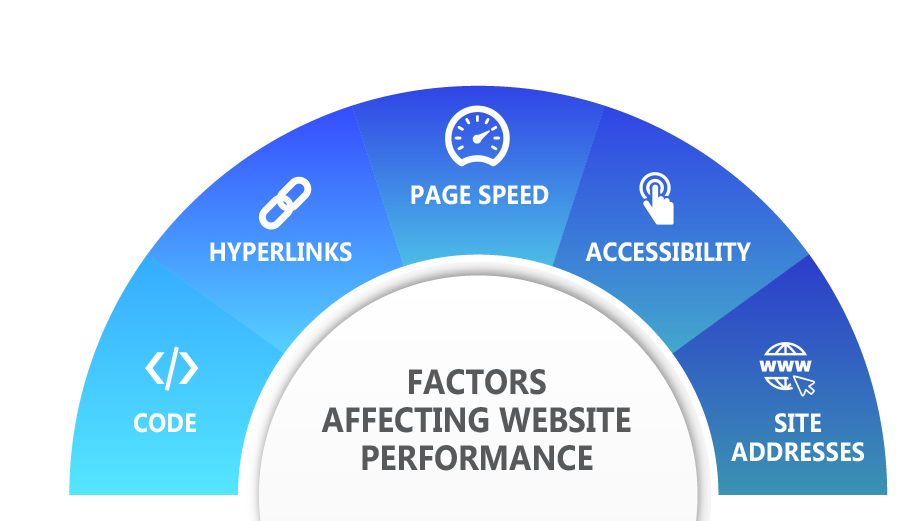
    The development of an e-commerce website is crucial to any SEO plan.  Page speed, code, accessibility, site Addresses, and hyperlinks are just a few examples of the variables that might affect how well the website performs in search engine results.

    • Bring purchasing convenience. 

    With only a few taps, customers can conveniently purchase their preferred products anywhere. 

    • Assists you in comprehending the clients 

    An eCommerce website enables business owners to learn about client interests, and utilising this knowledge, it is simple for them to persuade customers by making offers about their chosen products.

    • Aids in differentiating you from the competition 

    Building an e-commerce portal is a terrific method to remain in front of the competition.  It can assist you in creating a high-quality, up-to-date website which will outperform your rivals and attract more leads and visitors. 

    In the end, developing an eCommerce site is a valuable instrument that you may use to hasten the expansion and success of your eCommerce firm.  A website development company can assist you in creating a solid website which will bring in more visitors and high-quality leads, boost sales, and bring in more money for your company.

    How to take Consultancy Services for eCommerce Development? 

    WordPress offers the best website for eCommerce development resources to allow you if you wish to take advantage of the advantages of eCommerce web design.  They can create any form of an eCommerce site in the quickest time, whether a supplier site or even a multi-vendor eCommerce site. 

    Their skilled project team has decades of expertise in building customised eCommerce stores that increase the clients’ traffic and revenue.  For the international clientele, they have a history of creating multiple popular eCommerce websites.

    They genuinely want to demonstrate their incredible job, not simply tell people about it.  One can look at eCommerce’s outstanding achievements if you’re interested.  With new technologies, passing up the best available chances is straightforward.  When one lacks the knowledge to capitalise on these shifts, the situation worsens.  That’s the situation faced by companies with little experience in website creation and design. 

    Conclusion

    The dream of any web designer in the digital sector is to establish a presence online.  Bliss marron is the best website development company.  Individuals must study the current relevant website features and how you can incorporate them if you want to ensure that your site has a special place within the digital industry.  Nowadays, web designers compete against one another in a marathon run to create the most attractive website possible.

    If you are looking for the Best Digital Marketing Agency for your Business please contact Bliss Marcom.
    Office Address in Noida.