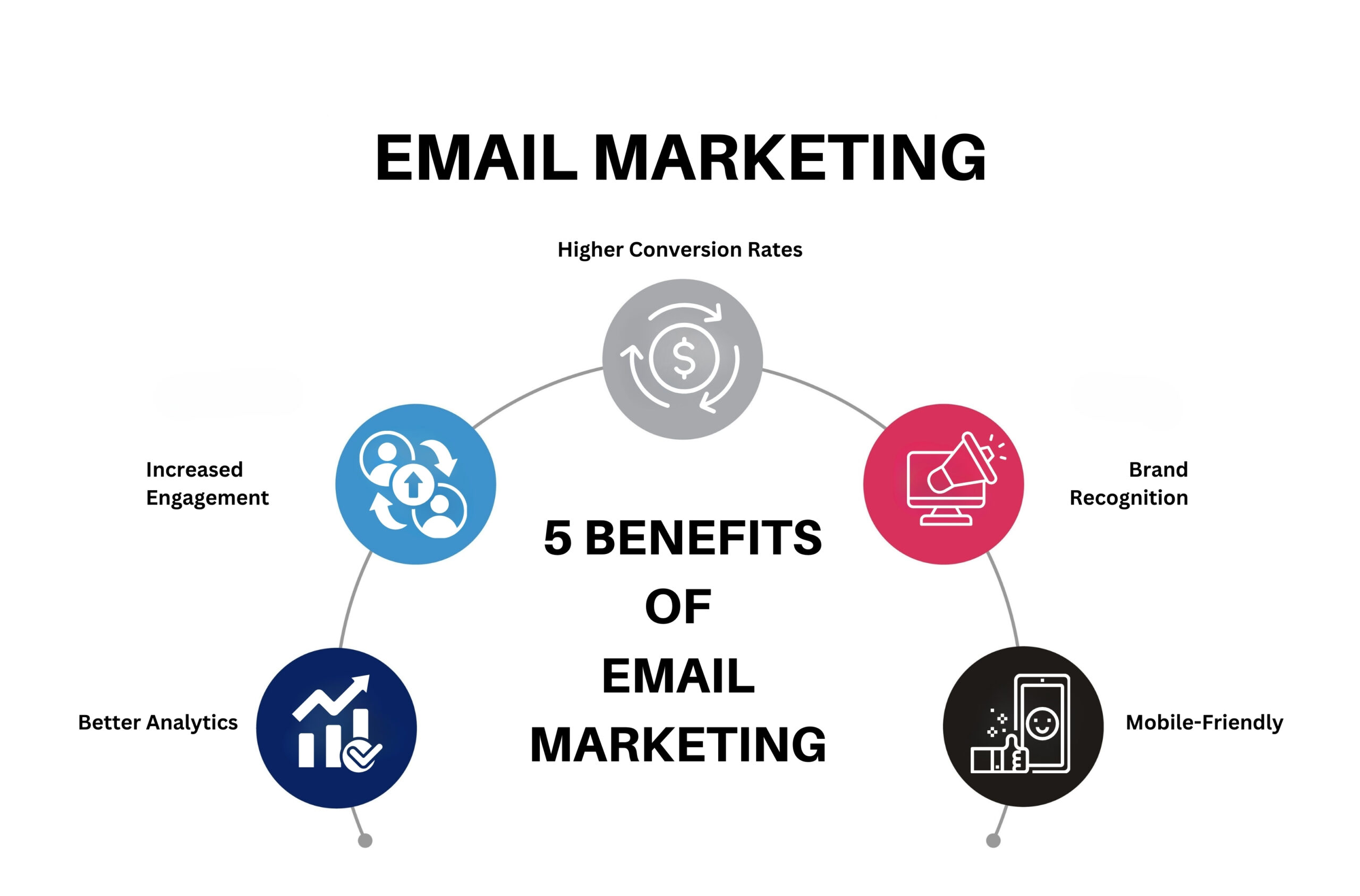
Today, building strong customer relationships is crucial for the success and growth of any organization. While there are various marketing strategies available, email marketing remains one of the most effective tools for fostering meaningful connections with customers.
With its ability to reach a wide audience, personalized messaging, and cost-effectiveness, email marketing allows businesses to engage with their customers on a deeper level.
Segmentation and Personalization
Segmentation is the key to effective email marketing. By dividing your customer base into distinct groups based on their demographics, preferences, behavior, or purchase history, you can tailor your messages to suit their specific needs and interests. Personalization goes hand in hand with segmentation, allowing you to address each customer individually and make them feel valued.
Using customer data collected through sign-up forms, past purchases, or website interactions, you can create targeted email campaigns that deliver relevant content to the right audience. By addressing customers by their names, recommending products based on their previous purchases, or sending birthday greetings, you demonstrate that you understand their unique preferences and are genuinely interested in their satisfaction.
Building Trust and Credibility
Email marketing provides an excellent opportunity to establish trust and credibility with your customers. Consistently delivering valuable and relevant content fosters a sense of reliability and positions your brand as an industry expert. By sharing informative articles, how-to guides, or insider tips, you can position your company as a trusted advisor rather than just another sales-driven entity.
Additionally, transparency plays a vital role in building trust. Be clear about how you obtained customers’ email addresses, how often you will be sending emails, and what kind of content they can expect. Offer an easy way for customers to unsubscribe if they no longer wish to receive your emails. Respecting their preferences and privacy will help you gain their trust and ensure a positive email marketing experience.
Engaging and Interactive Content
To forge stronger customer relationships, your email content needs to be engaging and interactive. Gone are the days of plain text emails with no visual appeal. Today’s customers expect visually appealing designs, interactive elements, and compelling calls to action.
Utilize eye-catching graphics, compelling images, and videos to make your emails visually appealing. Infographics, charts, or product demonstrations can help convey information effectively. Interactive elements such as surveys, quizzes, or polls encourage customer participation, providing valuable insights while also making the email experience more enjoyable.
Personalized Product Recommendations
One of the most effective ways to enhance customer relationships is by offering personalized product recommendations. Analyzing customer behavior, purchase history, and browsing patterns can help you understand their preferences and predict their needs. By leveraging this information, you can send targeted emails with tailored recommendations showcasing products or services that align with their interests.
Emails featuring personalized product recommendations not only drive conversions but also show customers that you understand their preferences and are committed to providing them with relevant solutions. This personalized approach enhances the overall customer experience and strengthens their bond with your brand.
Nurture and Customer Lifecycle Emails
Email marketing is not just about making a sale; it’s also about nurturing customer relationships throughout their journey with your brand. Customer lifecycle emails play a crucial role in the process. By sending emails at various stages of the customer lifecycle – from on boarding to post-purchase follow-ups –, you can keep customers engaged, address their concerns, and offer ongoing support.
Welcome emails, for example, provide an opportunity to make a positive first impression and set the tone for future interactions. Post-purchase emails, on the other hand, allow you to express gratitude, request feedback, or offer additional assistance. By consistently nurturing customers through relevant and timely emails, you demonstrate your commitment to their satisfaction and strengthen the bond between your brand and the customer.
Feedback and Surveys
Feedback is invaluable for understanding customer preferences, identifying pain points, and improving your products or services. Email marketing can serve as a powerful tool for collecting feedback and conducting surveys. By sending targeted emails with survey links or feedback forms, you can gather insights directly from your customers.
Moreover, actively seeking feedback shows customers that you value their opinions and are committed to providing them with the best possible experience. Use this feedback to improve your offerings, address any issues promptly, and communicate changes or improvements to your customer relationships but also helps you stay ahead of the competition.
Conclusion
Email marketing remains a vital component of any successful marketing strategy, enabling businesses to build stronger customer relationships. By employing segmentation and personalization techniques, delivering valuable content, and nurturing customers throughout their journey, you can foster trust, engagement, and loyalty.
Through personalized product recommendations, feedback collection, and interactive content, email marketing allows you to establish a meaningful connection with your customers. Embrace the power of email marketing, and watch your customer relationships flourish.